Your First Month in Hong Kong, From the MTR to the Mountains
Hong Kong rewards those who treat it as a series of distinct neighbourhoods rather than a single city centre. Here is the geography and rhythm every newcomer needs.
- Flag
-
- ISO code
- HK
- Population
- 7,500,000
- Currency
- HKD
- Timezone
- Asia/Hong_Kong
- Dial code
- +852
Your First Month in Hong Kong, from the MTR to the Mountains
Hong Kong is not one city. It is a fragmented territory of distinct neighbourhoods scattered across Hong Kong Island, the Kowloon peninsula, and the New Territories plus 263 outlying islands. The central business district covers just 78.65 square kilometres. The country parks cover 40 percent of the land. The best experiences, climbing a ridge above a fishing village, eating typhoon shelter crab in a Kowloon backstreet, catching the Star Ferry at dusk, require deliberate travel between districts. Treat Hong Kong as a series of villages, not a checklist, and it rewards you. Treat it as a single city centre and you will spend four days underground and miss everything.
- Total Area: 1,114.35 km²
- Hong Kong Island: 78.65 km²
- Kowloon: 46.94 km²
- New Territories & Islands: 953.12 km²
- Country Parks Coverage: 40%
- MTR Network: 271 km, 99 stations
- MTR Daily Ridership: 4.8 million
- Population: 7,498,100
- Population Density (Mong Kok): 130,000 per km²
- Highest Point: Tai Mo Shan, 957 m
- Peak Season: October to early December
- Minimum Days: 4 full days
- Airport to Central: 24 minutes by Airport Express, HK$115
The Tripartite Geography You Need to Grasp Immediately
Hong Kong splits into three physical territories. Knowing which one you are in determines how you move, what you eat, and what you see.
Hong Kong Island
Central, Sheung Wan, Wan Chai, Causeway Bay, and Kennedy Town sit along the northern shore. Victoria Peak looms above. The Island Line MTR runs east-west beneath it. This is the financial core: the steep streets, the escalators, the galleries, and the most expensive real estate on earth. A one-bedroom flat rents for HK$18,000 to HK$28,000 per month. You do not need to stay here. For many visitors, you should not. Hong Kong Island is dense, vertical, and physically exhausting. Pavements are narrow and uneven. Stairs are everywhere. Air-conditioning indoors hits aggressive levels. Arrive by 08:30 at Star Ferry Pier for the harbour crossing in soft light. Skip the Peak Tram queues by booking ahead online. The tram takes you to the skyline view, but the walk from Lugard Road around the Peak loop is better.
Kowloon
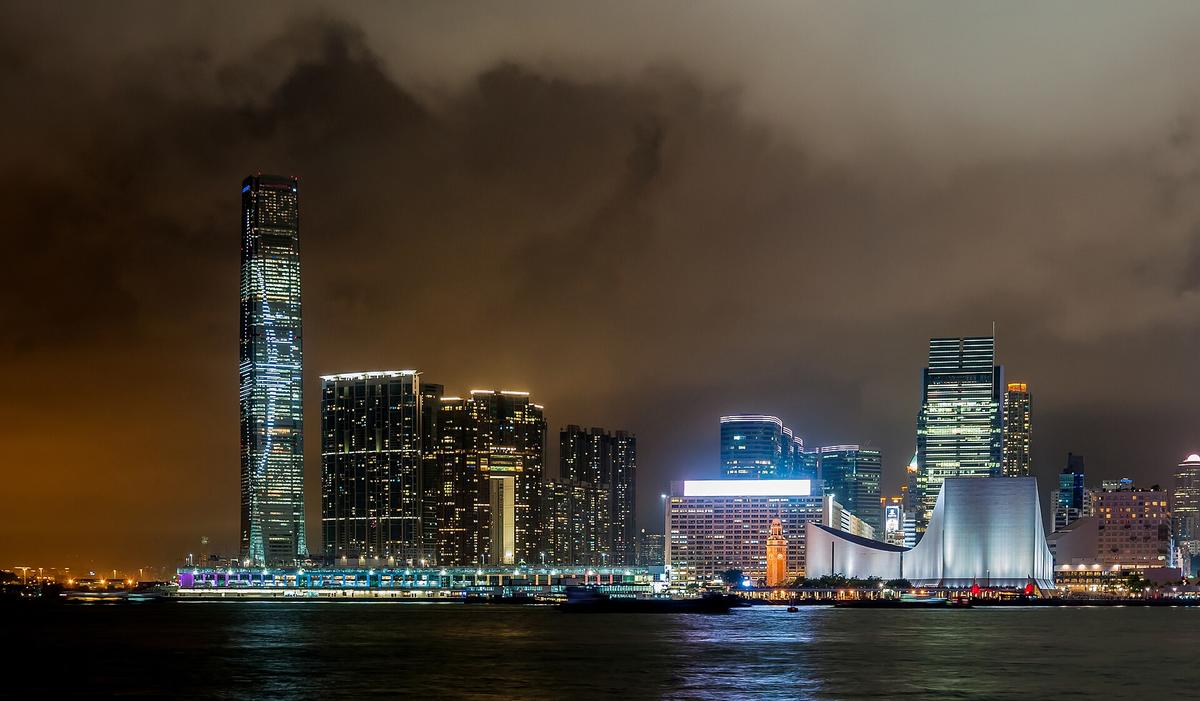
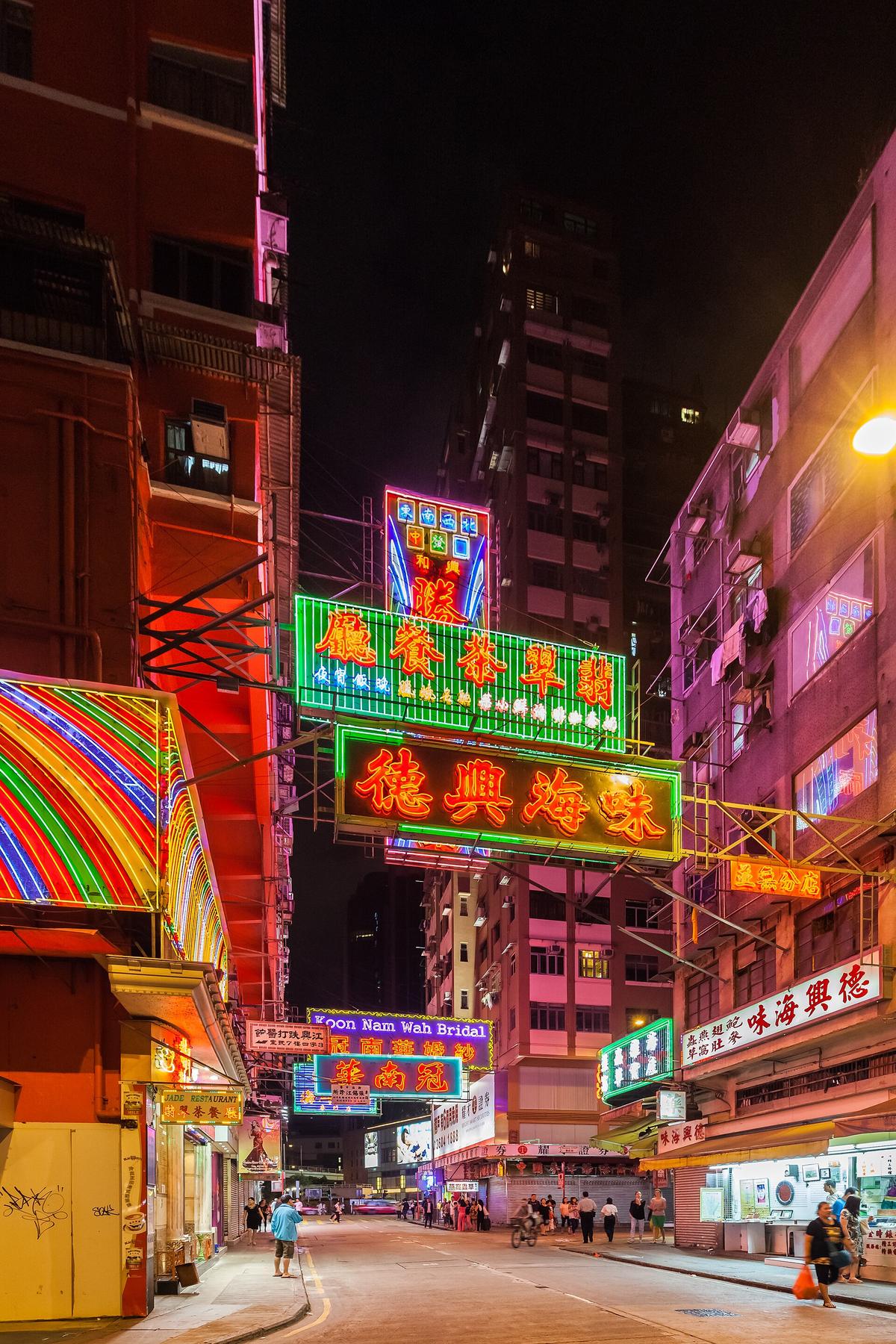
Kowloon is the peninsula opposite Hong Kong Island, separated by Victoria Harbour, which narrows to just 410 metres at its tightest point. Tsim Sha Tsui, Mong Kok, Sham Shui Po, and Yau Ma Tei form a continuous belt of street markets, neon signs, museums, and working-class energy. Mong Kok reaches 130,000 persons per square kilometre, the highest population density anywhere in Hong Kong. This is where you eat. Temple Street Night Market runs after dark. Dim sum push-carts operate in old teahouses. Egg waffle stalls sell crisp-outside, soft-inside cones for a few dollars. The Tsim Sha Tsui Promenade delivers the best skyline view without climbing anything. The MTR fare from Central to Tsim Sha Tsui is HK$10.50. Three MTR harbour crossings and three road tunnels connect the two sides. Stay in Kowloon if you want cheaper accommodation, one-bedroom rents average HK$14,000 to HK$22,000, and you want to be closer to the markets.
New Territories and Outlying Islands
The New Territories cover 953.12 square kilometres, 85 percent of Hong Kong's land area. Lantau Island adds another 147.16 square kilometres. This is where the country parks, fishing villages, and hiking trails live. Sai Kung launches coastal walks and boat rides to Sharp Island. Lamma Island has a hiking trail between Yung Shue Wan and Sok Kwu Wan, a 25-minute ferry from Central. Cheung Chau is car-free, easy to cycle, 35 to 55 minutes by ferry. Lantau holds the Tian Tan Buddha and Tai O fishing village. The MTR and bus from Central take 45 to 60 minutes. Day trips here are not optional. They are the counterbalance to the density of the urban core. Budget one full day for a hike or an island trip. The ferry from Central to Lamma runs every half hour. Arrive before 10:00 to avoid the midday heat.

How to Move and What it Costs
The MTR is the dominant mode. Trains run every two to four minutes. The network covers 271 kilometres and 99 stations. You need an Octopus card. Buy one at the airport for HK$150, which includes a HK$50 refundable deposit. Top up at convenience stores with cash only. Contactless payment works at MTR gates but not on all buses or trams. On buses and trams, exact change is required without Octopus. Do not assume cash works everywhere.
The Airport Express reaches Hong Kong Station in 24 minutes. One-way costs HK$115. Taxis to Central run HK$300 to HK$400 and take 30 to 45 minutes. City buses A11 and A21 cost under HK$45 and take longer. Skip the taxi unless you have heavy luggage.
Star Ferry costs HK$5 upper deck and HK$4 lower deck. Cross at dusk. The tram fare is HK$3. The Peak Tram is HK$62 return. Book the Peak Tram ahead of time; the queue at the lower terminus routinely exceeds 45 minutes in peak season.
Google Maps works but Citymapper and MTR Mobile are more reliable for routing and service updates. Free public Wi-Fi exists in MTR stations and government buildings but is inconsistent. Buy a local SIM or eSIM at the airport. Prepaid SIMs cost HK$33 to HK$100. Data plans run HK$100 to HK$300 per month.
| District | Vibe | Best For |
|---|---|---|
| Central | Financial core, galleries, steep escalators | Bars, art, high-end dining |
| Sheung Wan | Hip cafes, antique shops, dried seafood | Morning coffee, vintage shopping |
| Wan Chai | Old Hong Kong, wet markets, nightlife | Street food, bars, local character |
| Causeway Bay | Dense shopping, department stores, neon | Retail therapy, electronics |
| Tsim Sha Tsui | Harbour views, museums, luxury hotels | Skyline photos, culture, harbour walks |
| Mong Kok | Street markets, extreme density, neon | Night markets, street food, energy |
| Sham Shui Po | Electronics, fabric, working-class food | Cheap eats, fabric markets, bargains |
| Yau Ma Tei | Night market, old temples, fruit stalls | Temple Street, fortune tellers, local life |
| Kennedy Town | Waterfront, relaxed restaurants, local feel | Sunset walks, casual dining |
| Sai Kung | Fishing village, seafood, launch point for hikes | Day trips, seafood, coastal trails |
The Physical Reality of Hong Kong
Hong Kong is exhausting. The humidity from June to August averages 80 to 90 percent. Summer highs hit 31 to 33°C. Winter lows drop to 14°C. The city is vertical. Long walks, stairs, escalators, and aggressive air-conditioning tax your body. Pavements are narrow and uneven. Scaffolding and signs block footpaths. Walking takes longer than the map suggests. Carry a light layer year-round for the indoor freeze. Public toilets are scarce in older districts. Shopping malls are the most reliable option. Many small restaurants expect you to share tables and order quickly. Lingering is not the norm.
The reward for this intensity is proximity. Eat claypot rice with lap cheong in a Mong Kok backstreet, then ride the MTR 20 minutes to a country park trailhead. Hike a ridge above a reservoir and see the skyline behind you. The city fits urban exploration, food obsession, and outdoor adventure into one small territory. But it demands you move deliberately between districts.

Who This City Suits and Who it Does Not
Hong Kong fits urban explorers who like dense, walkable cities. It fits food-focused travellers who plan trips around meals. It fits hikers who want city-to-trail convenience. It fits shoppers looking for street markets and luxury malls. It fits solo travellers who value safety and excellent public transport.
Hong Kong does not suit travellers who want a relaxed, spacious, or cheap Southeast Asian beach holiday. It does not suit people who dislike crowds, humidity, or noise. It does not suit a very tight backpacker budget. It does not suit anyone expecting a quiet, slow-paced cultural immersion without effort.
Come for the intensity. Stay for the islands.
Common Questions
How many days do I need for a first visit?
Four full days minimum. Spend one day on Hong Kong Island, one in Kowloon, one on a day trip or hike, and one flex day for food and shopping. Fewer than four days forces you to skip the outlying islands or the country parks.
When should I avoid visiting?
Avoid Chinese New Year (late January to mid-February) when many small restaurants and shops close and cross-border travel is chaotic. Also avoid the first week of October and early May, when mainland Chinese public holidays bring extreme crowds. July to September is hot, wet, and typhoon-prone.
What is the best time of year to visit?
October to early December offers clear skies, low humidity, and comfortable temperatures. Late March to April is mild and drier before the summer rains. These windows make hiking and outdoor exploring genuinely pleasant.
Can I use cash everywhere?
No. Many MTR stations, buses, and trams require an Octopus card or contactless payment. Some smaller eateries and convenience stores refuse card payments. Octopus top-ups are cash-only at many convenience stores. Carry HK$500 to HK$1,000 in cash for these situations.
Is Hong Kong safe for solo travellers?
Yes. Hong Kong is one of the safest cities in the world. Petty crime is low. The MTR runs until around 01:00 and is safe at night. Solo travellers who value safety and excellent public transport will feel comfortable here.
Which day trip should I do first?
Lamma Island for the hiking trail, seafood, and proximity. The ferry from Central takes 25 to 30 minutes. Cheung Chau for a car-free cycling day. Lantau for the Big Buddha and Tai O fishing village, but budget 45 to 60 minutes each way by MTR and bus.
What is the biggest mistake first-time visitors make?
Staying only in Tsim Sha Tsui or Central and trying to see Hong Kong as a single city centre. The best experiences, hikes, islands, neighbourhood food, local markets, are spread across a fragmented territory. You have to deliberately travel between districts.
Read next
-
 Hong Kong Hotels and Serviced Apartments Before a Lease
Serviced apartments in Wan Chai, Kennedy Town, and Sai Ying Pun compared for the six weeks before you sign a Hong Kong lease.
Hong Kong Hotels and Serviced Apartments Before a Lease
Serviced apartments in Wan Chai, Kennedy Town, and Sai Ying Pun compared for the six weeks before you sign a Hong Kong lease.
-
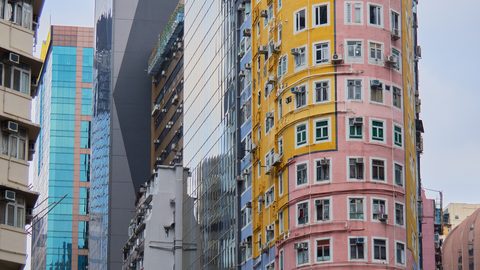 Where to Stay in Hong Kong a Shortlist of Districts Compared Honestly
Hong Kong districts vary wildly in rent, space, and commute reality. This shortlist compares where to stay based on what you actually get for your money.
Where to Stay in Hong Kong a Shortlist of Districts Compared Honestly
Hong Kong districts vary wildly in rent, space, and commute reality. This shortlist compares where to stay based on what you actually get for your money.
-
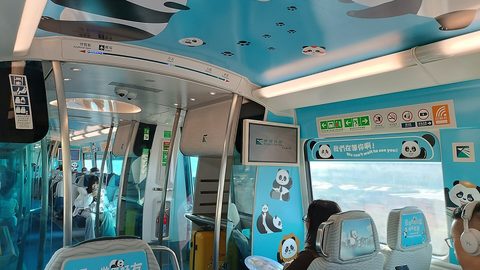 Hong Kong Flights, HKG Airport and the Airport Express
HKG to Central or Kowloon by Airport Express, taxi, or A-bus, plus how Hong Kong's in-town check-in makes it a strong flight hub.
Hong Kong Flights, HKG Airport and the Airport Express
HKG to Central or Kowloon by Airport Express, taxi, or A-bus, plus how Hong Kong's in-town check-in makes it a strong flight hub.
-
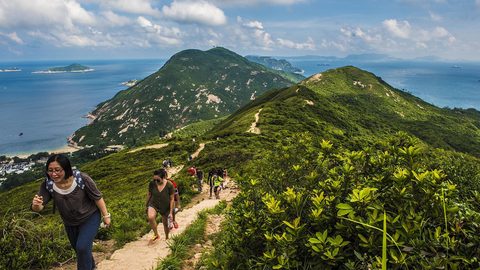 Hong Kong Weekends Hiking Trails Island Day Trips and Visitor Itineraries
Hong Kong's best escapes are minutes from the MTR: ridge hikes with harbour views, car-free islands with seafood, and fishing villages on stilts reachable in under an hour.
Hong Kong Weekends Hiking Trails Island Day Trips and Visitor Itineraries
Hong Kong's best escapes are minutes from the MTR: ridge hikes with harbour views, car-free islands with seafood, and fishing villages on stilts reachable in under an hour.
-
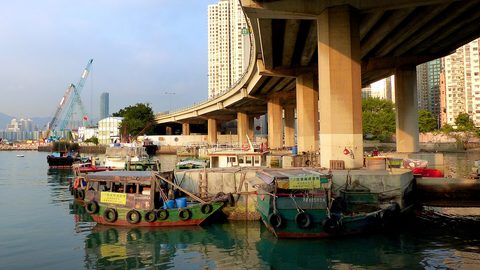 Best Time to Visit Hong Kong Weather Calendar and the Two Decisive Months
Hong Kong's best weather arrives from October to early December, with a secondary window in late March. Avoid Chinese New Year closures and the typhoon-prone summer.
Best Time to Visit Hong Kong Weather Calendar and the Two Decisive Months
Hong Kong's best weather arrives from October to early December, with a secondary window in late March. Avoid Chinese New Year closures and the typhoon-prone summer.
-
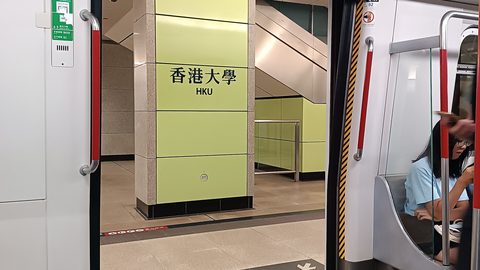 Getting Around Hong Kong MTR Octopus Minibuses and the Star Ferry
The MTR is the backbone of Hong Kong, but the Octopus card, minibuses, and exact-change rules on buses catch visitors out. Here is how to move without friction.
Getting Around Hong Kong MTR Octopus Minibuses and the Star Ferry
The MTR is the backbone of Hong Kong, but the Octopus card, minibuses, and exact-change rules on buses catch visitors out. Here is how to move without friction.
-
 Hong Kong Expat Cost of Living Broken Down by Lifestyle Tier
Real annual costs for expats in Hong Kong: budget, comfortable, and premium tiers covering rent by district, school fees, domestic helpers, and flights home.
Hong Kong Expat Cost of Living Broken Down by Lifestyle Tier
Real annual costs for expats in Hong Kong: budget, comfortable, and premium tiers covering rent by district, school fees, domestic helpers, and flights home.
-
 How to Set Up Your Finances When You First Arrive in Hong Kong
Open the right bank account, set up Octopus and FPS, and avoid costly transfer fees. A practical money setup guide for new arrivals in Hong Kong.
How to Set Up Your Finances When You First Arrive in Hong Kong
Open the right bank account, set up Octopus and FPS, and avoid costly transfer fees. A practical money setup guide for new arrivals in Hong Kong.
-
 Mobile Plans, SIM Cards and Connectivity Costs for Expats in Hong Kong
Compare 3HK, SmarTone, and CMHK mobile plans for Hong Kong expats. Monthly costs, data tiers, prepaid vs contract, and tips on staying connected abroad.
Mobile Plans, SIM Cards and Connectivity Costs for Expats in Hong Kong
Compare 3HK, SmarTone, and CMHK mobile plans for Hong Kong expats. Monthly costs, data tiers, prepaid vs contract, and tips on staying connected abroad.