How to Use Hong Kong Transport Without Getting Stuck or Overpaying
The MTR is the backbone of Hong Kong, but the Octopus card, minibuses, and exact-change rules on buses catch visitors out. Here is how to move without friction.
You Need an Octopus Card the First Time You Step Off the Airport Express
Most visitors land at Hong Kong International Airport, buy a single ticket for the Airport Express, and then spend their first hour in the city fumbling for change on a bus while the driver waits. Wrong way to start. Solve it before you leave arrivals: get an Octopus card at the Airport Express counter or any convenience store in the terminal.
The card costs HKD 150: a HKD 50 refundable deposit plus HKD 100 of stored value. That initial value covers your Airport Express fare from Kowloon or Hong Kong Station and one short MTR ride. Refund the card at any MTR customer service desk when you leave, minus an HKD 11 handling fee if you return it within three months.
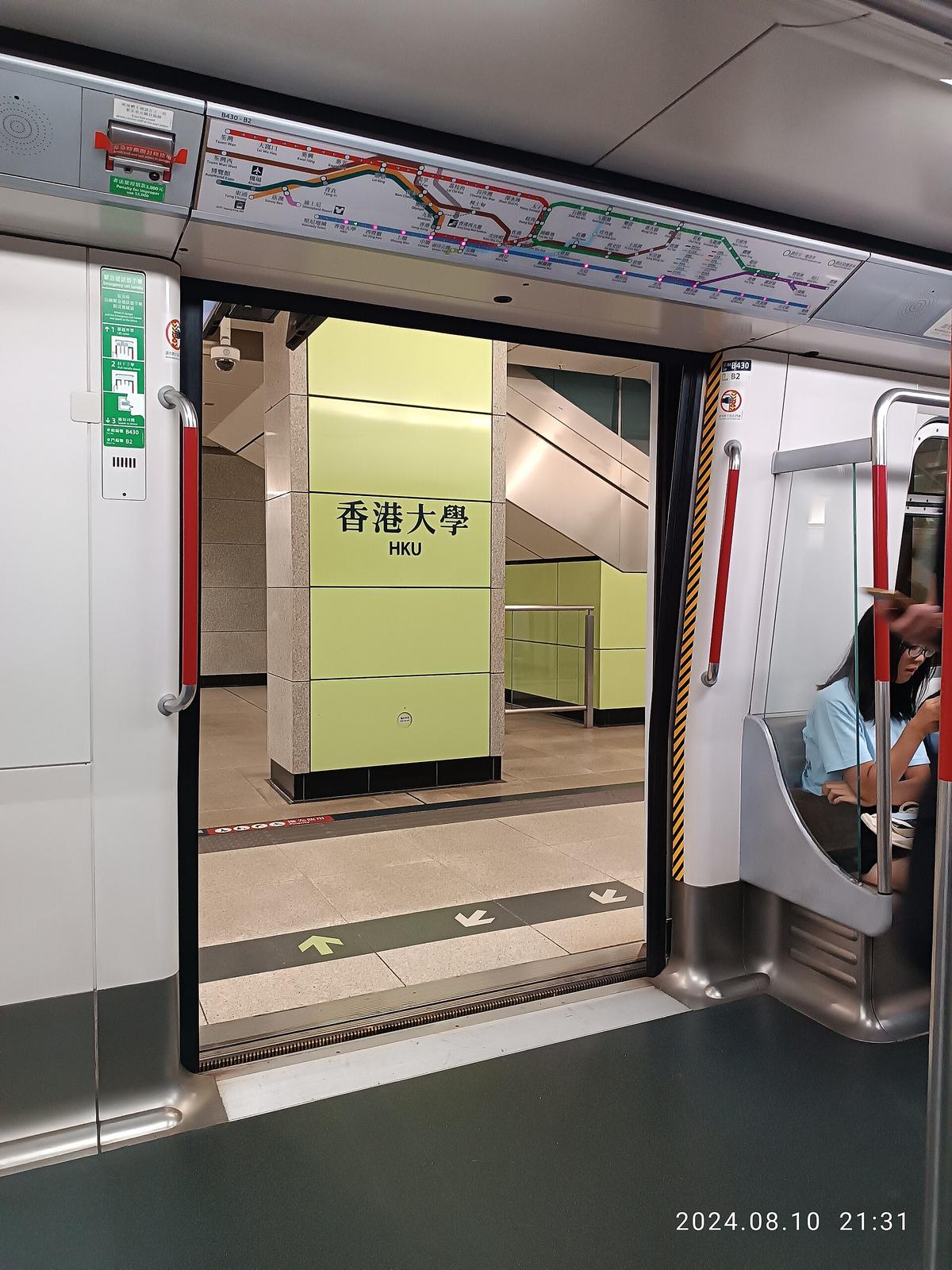

The MTR runs 99 stations across 174.7 km of track, carries about 4.8 million passenger journeys per year, and trains arrive every two to four minutes between approximately 05:30 and 01:30 the next day. A standard urban adult Octopus fare costs HKD 4.80 to 8.80. A cross-harbour trip between Hong Kong Island and Kowloon costs HKD 12.80 to 15.30.
Tap your Visa, Mastercard, or UnionPay contactless card directly at the turnstile. It works identically to an Octopus card for MTR, buses, and the Star Ferry. If your phone has Apple Pay or Samsung Pay, load a virtual Octopus card onto it. The phone version lets you top up by credit card, which solves the biggest friction of the physical card.
The Cash Top-Up Problem
The physical Octopus card works everywhere, but topping it up with cash at a convenience store requires you to stand at the counter, hand over banknotes, and wait for the clerk to gesture at the reader. Many 7-Elevens and Circle Ks do not accept credit card top-ups. The MTR station machines accept cash and credit cards, but they are crowded at peak hours.
The fix: load value onto your card at the airport and top up at an MTR machine when it runs low. The maximum stored value is HKD 3,000, so do not worry about carrying too much.
Buses and Trams: the Exact Change Trap
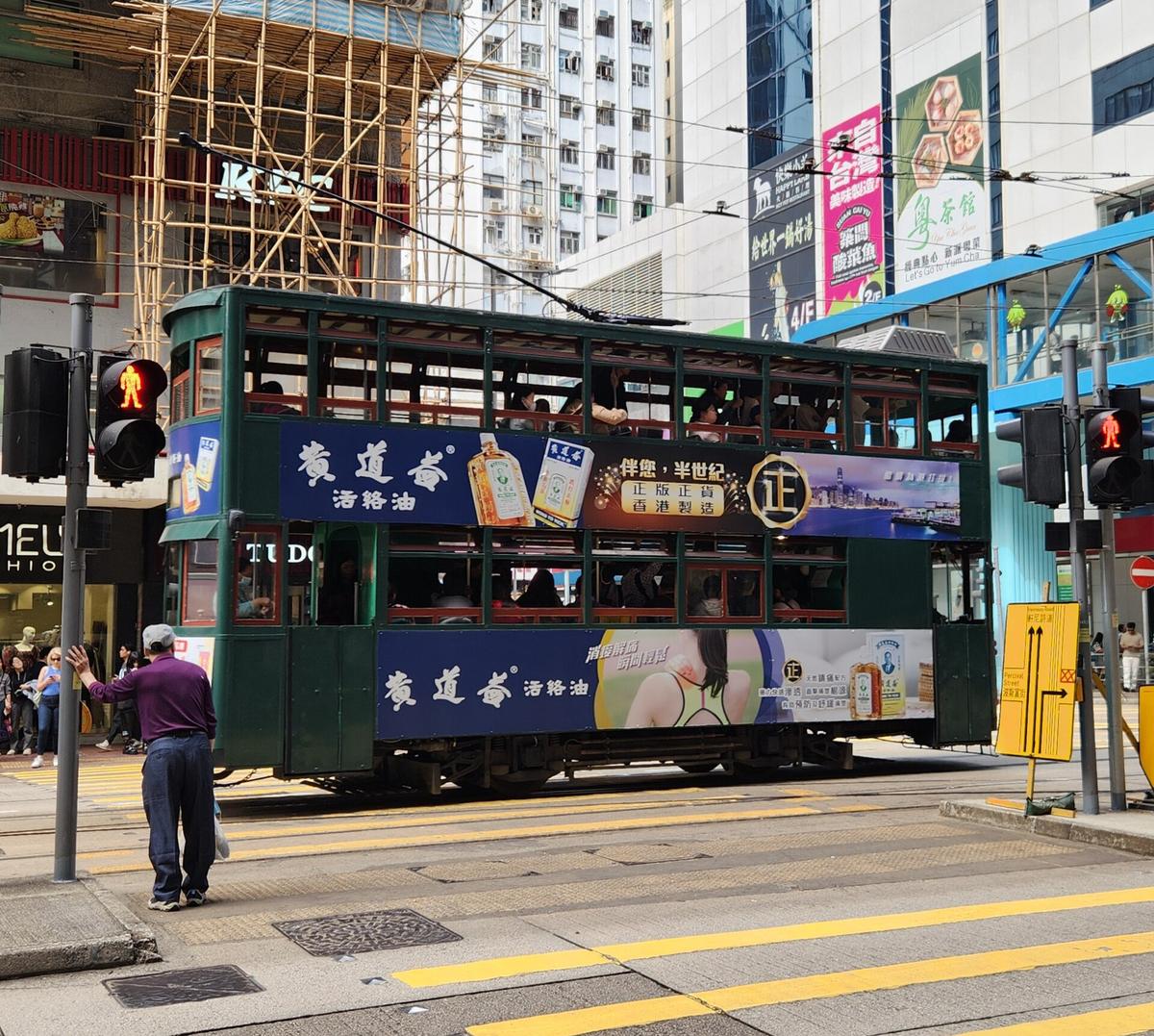
City buses and the historic trams accept Octopus, contactless credit cards, and cash. But buses require exact change. Hand a HKD 50 note for a HKD 5.60 fare and the driver will not give you change. The same rule applies on the trams: the flat adult fare is HKD 3.00, the child fare is HKD 1.50, and the machine takes coins only.
Without an Octopus card or a contactless payment method, you need a pocket full of coins. Most visitors forget this, stand at the front of the bus searching their wallet, and hold up the queue. Tap your card or phone instead.
When to Use Each
The tram network runs about 13 km from Kennedy Town to Shau Kei Wan, with roughly 120 stops and a Happy Valley loop. It is slow, hot, and authentic. Use it for short distances or for the novelty, not for a time-sensitive connection. For buses, use Citymapper or MTR Mobile, not Google Maps. Google Maps occasionally routes you onto a bus that does not stop where the app thinks it does. MTR Mobile gives you the correct exit number at every station. That matters when a station like Admiralty has eight exits and the wrong one adds several minutes of underground walking.
Minibuses: the Mode Visitors Get Wrong Most
Hong Kong has 356 green minibus routes and about 75 red minibus routes. Green minibuses have fixed stops, fixed fares between HKD 3.00 and 22.00, and accept Octopus and cash. Red minibuses have no fixed stops on most routes, no fixed timetable, and mostly accept cash only. The driver posts the destination and price on the windscreen. Wave the minibus down, board, tell the driver where you are getting off, and pay when you alight.
Red vs Green: Which One to Board
Red minibuses are faster than buses because they skip empty stops, but they are unpredictable. If you cannot read Chinese, identify the destination by the route number and the landmark name written on the windshield. Stick to green minibuses unless you are comfortable with the cash-only system and the lack of a precise route map.
The worst mistake visitors make on minibuses: sitting in the front seat and then failing to shout their stop. Announce your stop or press the bell well in advance. If nobody rings and nobody shouts, the driver does not stop.

The Star Ferry is Not a Tourist Ride, it is a Commute
The Star Ferry crosses between Tsim Sha Tsui and Central in 7 to 10 minutes. The upper deck adult fare is HKD 5.00 on weekdays and HKD 6.50 on weekends and public holidays. The lower deck costs HKD 4.00 on weekdays and HKD 5.20 on weekends. The Tsim Sha Tsui to Wan Chai route costs the same as the Central route. Pay with Octopus, cash, or a contactless credit card.
Treat it as transport, not an activity. The harbour views are excellent, but the ferry is how locals get between Kowloon and Hong Kong Island without walking through an MTR tunnel. When the MTR cross-harbour tunnel is crowded at rush hour, the Star Ferry is faster because you walk straight on board.
Late-Night Options
After 01:30, when the MTR stops running, your choices are the Star Ferry, a night bus, or a taxi. The Star Ferry runs until about 23:30 on most routes. After that, a cross-harbour taxi from Central to Tsim Sha Tsui costs about HKD 100 to 150 including the tunnel toll. The night buses N8X and N121 run all night but require an Octopus card or exact change.
This system suits urban explorers who move between neighbourhoods quickly, food travellers who eat across multiple districts in one evening, and solo travellers who value safety and a train that arrives every two minutes. It does not suit anyone who wants to pay with cash everywhere, expects a car-based city, or plans to move between only two or three landmarks without learning the Octopus system.
The single thing that most often goes wrong: visitors arrive without an Octopus card or a contactless payment method, try to pay cash on the first bus or tram, hold up the queue, and then overpay for taxis for the rest of the trip because they never learned the system. Get the card at the airport. Use it for everything. Refund it when you leave.
Common Questions
Can I use a contactless credit card from my home country on the MTR?
Yes. Visa, Mastercard, and UnionPay contactless cards work at MTR turnstiles, on most buses, and on the Star Ferry. The system converts the fare to your home currency. You cannot top up an Octopus card with a foreign credit card at a machine, but you can tap your phone or card directly.
What do I do if my Octopus card runs out of value and I have no cash?
Go to an MTR customer service desk or an MTR ticket machine. The machines accept HKD 50 and 100 notes and credit cards. Convenience stores top up cash only. The card can go HKD 35 negative, so you can still exit the MTR station or take one more bus ride before reloading.
Which bus goes to The Peak from Central, and what does it cost?
Citybus route 15 departs from Central Pier 5 and costs HKD 12.10. Green minibus route 1 departs from Central IFC and costs HKD 11.20. Both take about 30 to 40 minutes. The Peak Tram costs HKD 62 single or HKD 88 return and requires booking ahead during peak hours, but the queue can exceed 45 minutes.
Can I take a taxi from the airport to Central or Tsim Sha Tsui?
Yes. Urban red taxis charge HKD 27 flagfall for the first 2 km, then HKD 1.90 per 200 m. The trip costs roughly HKD 350 to 400 and takes 30 to 45 minutes. The Airport Express train costs HKD 115 to 120 and takes 24 minutes. The A11 and A21 city buses cost under HKD 45 and take about 50 to 70 minutes.
Read next
-
 Hong Kong Hotels and Serviced Apartments Before a Lease
Serviced apartments in Wan Chai, Kennedy Town, and Sai Ying Pun compared for the six weeks before you sign a Hong Kong lease.
Hong Kong Hotels and Serviced Apartments Before a Lease
Serviced apartments in Wan Chai, Kennedy Town, and Sai Ying Pun compared for the six weeks before you sign a Hong Kong lease.
-
 Where to Stay in Hong Kong a Shortlist of Districts Compared Honestly
Hong Kong districts vary wildly in rent, space, and commute reality. This shortlist compares where to stay based on what you actually get for your money.
Where to Stay in Hong Kong a Shortlist of Districts Compared Honestly
Hong Kong districts vary wildly in rent, space, and commute reality. This shortlist compares where to stay based on what you actually get for your money.
-
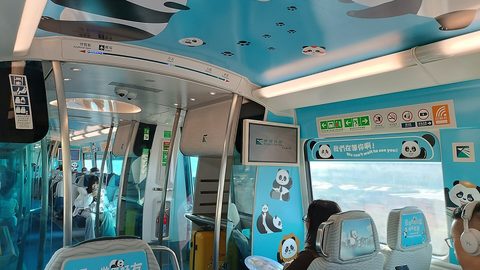 Hong Kong Flights, HKG Airport and the Airport Express
HKG to Central or Kowloon by Airport Express, taxi, or A-bus, plus how Hong Kong's in-town check-in makes it a strong flight hub.
Hong Kong Flights, HKG Airport and the Airport Express
HKG to Central or Kowloon by Airport Express, taxi, or A-bus, plus how Hong Kong's in-town check-in makes it a strong flight hub.
-
 Hong Kong Weekends Hiking Trails Island Day Trips and Visitor Itineraries
Hong Kong's best escapes are minutes from the MTR: ridge hikes with harbour views, car-free islands with seafood, and fishing villages on stilts reachable in under an hour.
Hong Kong Weekends Hiking Trails Island Day Trips and Visitor Itineraries
Hong Kong's best escapes are minutes from the MTR: ridge hikes with harbour views, car-free islands with seafood, and fishing villages on stilts reachable in under an hour.
-
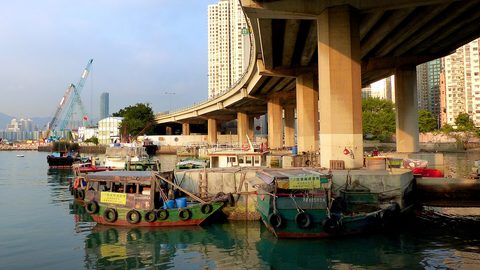 Best Time to Visit Hong Kong Weather Calendar and the Two Decisive Months
Hong Kong's best weather arrives from October to early December, with a secondary window in late March. Avoid Chinese New Year closures and the typhoon-prone summer.
Best Time to Visit Hong Kong Weather Calendar and the Two Decisive Months
Hong Kong's best weather arrives from October to early December, with a secondary window in late March. Avoid Chinese New Year closures and the typhoon-prone summer.
-
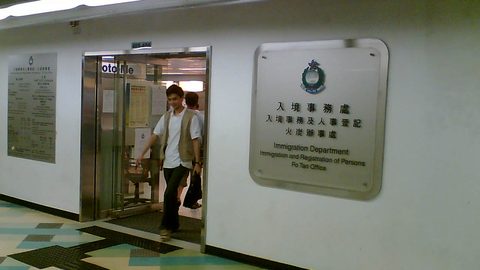 Hong Kong Visa Routes Employment Dependants and Options Without a Job
Hong Kong offers several visa routes beyond standard employment sponsorship, including points-tested schemes and dependant visas that permit work without a separate application.
Hong Kong Visa Routes Employment Dependants and Options Without a Job
Hong Kong offers several visa routes beyond standard employment sponsorship, including points-tested schemes and dependant visas that permit work without a separate application.
-
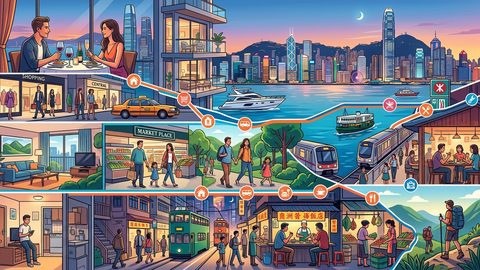 Hong Kong Expat Cost of Living Broken Down by Lifestyle Tier
Real annual costs for expats in Hong Kong: budget, comfortable, and premium tiers covering rent by district, school fees, domestic helpers, and flights home.
Hong Kong Expat Cost of Living Broken Down by Lifestyle Tier
Real annual costs for expats in Hong Kong: budget, comfortable, and premium tiers covering rent by district, school fees, domestic helpers, and flights home.
-
 How to Set Up Your Finances When You First Arrive in Hong Kong
Open the right bank account, set up Octopus and FPS, and avoid costly transfer fees. A practical money setup guide for new arrivals in Hong Kong.
How to Set Up Your Finances When You First Arrive in Hong Kong
Open the right bank account, set up Octopus and FPS, and avoid costly transfer fees. A practical money setup guide for new arrivals in Hong Kong.
-
 Mobile Plans, SIM Cards and Connectivity Costs for Expats in Hong Kong
Compare 3HK, SmarTone, and CMHK mobile plans for Hong Kong expats. Monthly costs, data tiers, prepaid vs contract, and tips on staying connected abroad.
Mobile Plans, SIM Cards and Connectivity Costs for Expats in Hong Kong
Compare 3HK, SmarTone, and CMHK mobile plans for Hong Kong expats. Monthly costs, data tiers, prepaid vs contract, and tips on staying connected abroad.