Hong Kong Beyond the Skyline Hikes Islands and What to Do With Visitors
Hong Kong's best escapes are minutes from the MTR: ridge hikes with harbour views, car-free islands with seafood, and fishing villages on stilts reachable in under an hour.
Trails and Islands Within Reach
Most visitors arrive in Hong Kong and stay put. They ride the Peak Tram, eat dim sum in the city centre, photograph the harbour from Tsim Sha Tsui, and leave thinking they have seen the city. They have not. The single most useful fact about Hong Kong is this: you can be on a ridgeline trail with coastal views in under 45 minutes from the financial district, and on a car-free island in under 35 minutes by ferry. The city is not just the densest vertical urban core on the planet. It is also one of the most accessible outdoor destinations in Asia, provided you treat the MTR and ferry network as your primary transport, not taxis or the bus. These escapes are what make Hong Kong worth more than three days. They are ranked by how fast you get there, how much they reward your time, and which ones to skip if you only have one free afternoon.
The Ridge Hikes That Define City to Trail Convenience
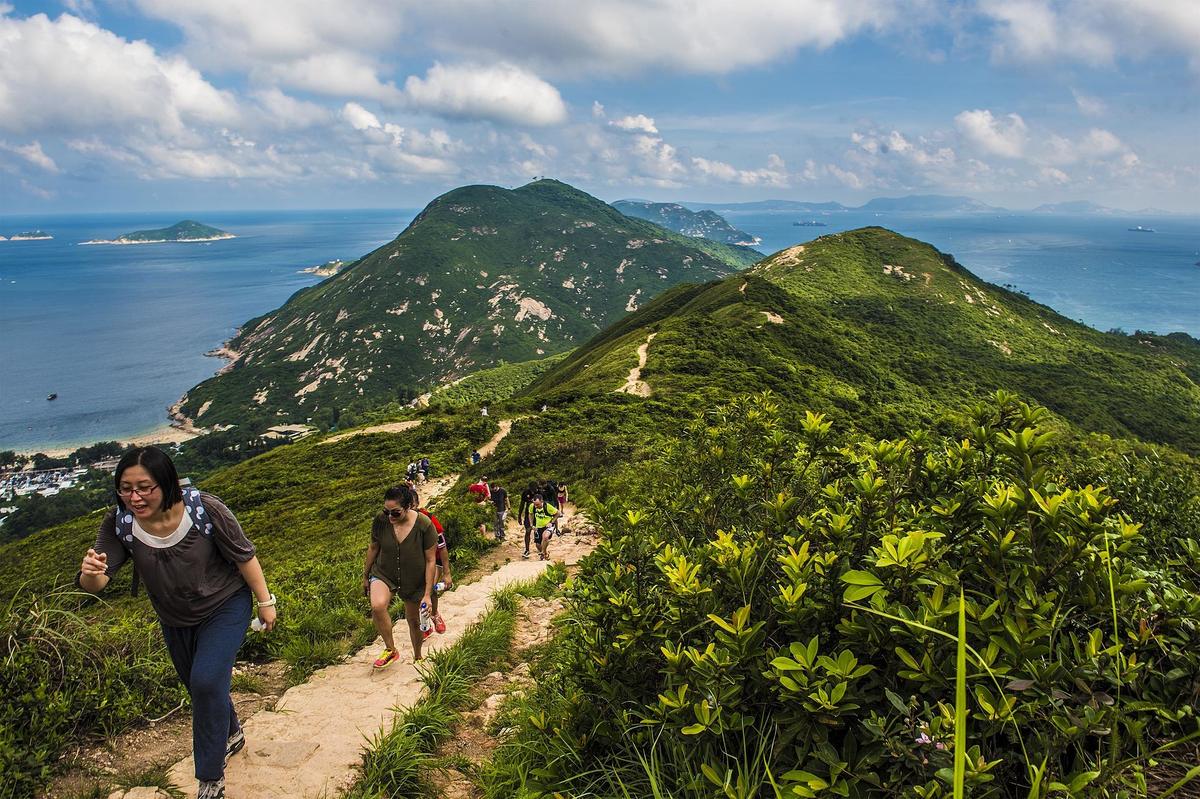
Hong Kong has two famous ridge hikes that deliver disproportionate payoff for minimal effort. The Dragon's Back is the easier and more dramatic of the two. At 8.5 km and 2.5 to 3 hours, it is a morning outing, not a day. The trail runs along a narrow spine of Shek O Peak, 284 m above sea level, with open views over the South China Sea and the outlying islands. The trailhead at To Tei Wan bus stop is half an hour from the centre by MTR and bus. That is the entire commute. You finish at Big Wave Bay, where there is a beach and a bus back. Do it on a clear weekday morning in October or November. On a Sunday the trail is crowded with local hikers, and the bus queues at the finish can add 45 minutes to your return. Skip the popular but overrated Lion Rock if you only have one hike in you. The 495 m summit offers a legitimately impressive silhouette view of Kowloon, but the 3 to 4 hour return from Wong Tai Sin MTR is a steep concrete stair climb for most of the way, not a ridge walk. The view is good. The walk itself is repetitive. The Dragon's Back gives you better scenery per step.
Why These Trails Matter More Than The Peak
The Peak Tram is famous and the view from Victoria Peak at 552 m is the postcard image of Hong Kong. But the tram queues regularly hit an hour at peak times, the one-way fare is HKD 62, and the upper terminus is a shopping mall. The free Lugard Road circular walk at the summit is genuinely good, but you have to earn it by getting through the tourist bottleneck first. The Dragon's Back and Lion Rock require no queue, no ticket, and no patience with crowds. They are what the city actually does better than any other Asian metropolis: deliver wilderness within a train ride. If your weekend plan involves visitors who are fit enough for a walk, skip the Peak entirely and take them to the Dragon's Back. They will remember the ridge line over the coast, not the escalator up a mall.

Lantau Island in One Day: the Big Buddha and Tai O Without the Tourist Script
Lantau is the largest outlying island and the most visited, but it is also the one most visitors do wrong. The standard script is the Ngong Ping 360 cable car, 5.7 km and 25 minutes from Tung Chung to the Tian Tan Buddha, the 34 m bronze statue at Ngong Ping. The cable car is a legitimate scenic ride, but you pay HKD 235 for a standard cabin round trip, and the queue at the lower terminus can stretch to 90 minutes on weekends. The smarter move is to take the bus from Tung Chung instead. The 23 bus runs directly to Ngong Ping in about 50 minutes, costs under HKD 20, and drops you at the Buddha plaza without the wait. The Buddha itself is worth 20 minutes. The Po Lin Monastery next to it is a functioning Buddhist complex, not a theme set piece.
Tai O: The Real Reason To Go
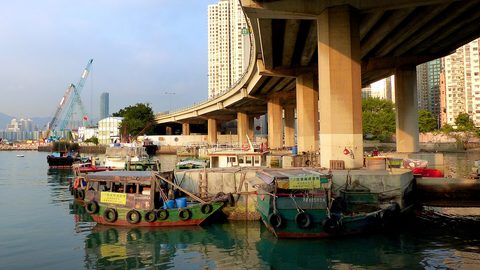
The real reason to go to Lantau is Tai O, the stilt village on the west coast. Tai O is a working fishing community with houses built over tidal channels, dried seafood stalls, and a small canal you cross by hand-pulled ferry for HKD 2. It is not a museum. It is a real neighbourhood that happens to look like a movie set. The bus from Ngong Ping to Tai O takes 20 minutes. Budget for the full loop: the MTR to Tung Chung, bus to Ngong Ping, bus to Tai O, bus back to Tung Chung. That is 6 hours including travel, not a full day.
Car Free Islands: Cheung Chau and Lamma for the Best Day Trip
Cheung Chau is the most rewarding day trip from the centre for two reasons: the ferry schedule and the food. The ferry runs every 30 to 40 minutes from Central Pier 5, takes 35 to 60 minutes depending on the boat class, and costs about HKD 13 for a slow ferry. The island has no cars. You walk or bicycle. The main business is seafood, concentrated in the restaurants along the waterfront. Pick one with tanks outside and order the typhoon shelter crab, which is crab stir-fried with garlic, chilli, and crispy breadcrumbs. It is not subtle. It is excellent. The island also has a small beach, a mini Great Wall walking trail, and the Pak Tai Temple. It is compact enough to cover on foot in 4 hours including lunch.
Lamma Island is the alternative, with a ferry from Central Pier 4 that takes 25 to 30 minutes. Lamma is divided into two ferry villages: Yung Shue Wan and Sok Kwu Wan. A hiking trail connects them in about an hour across the spine of the island, passing a small power station and open sea views. The food is seafood again, but the family-run places in Sok Kwu Wan are less tourist-priced than Cheung Chau. Lamma has a hippie residue that Cheung Chau lacks. There are no cars here either, and the atmosphere is genuinely relaxed. If you have visitors who find Hong Kong exhausting, send them to Lamma for a day. The ferry alone resets the nervous system.
Why You Should Skip Peng Chau
Peng Chau is the third car-free island in the ferry network, also 25 to 40 minutes from the centre. It is smaller, quieter, and less developed. There is one dim sum place, one beach, and a short hill walk. It is not worth the trip unless you have already done Cheung Chau and Lamma and want to read a book on a pier. Most travellers should pick one car-free island and commit. Cheung Chau has the most to do. Lamma has the most to feel. Peng Chau has the least of both.

Sai Kung: Seafood and Sharp Island for a Proper Weekend Escape
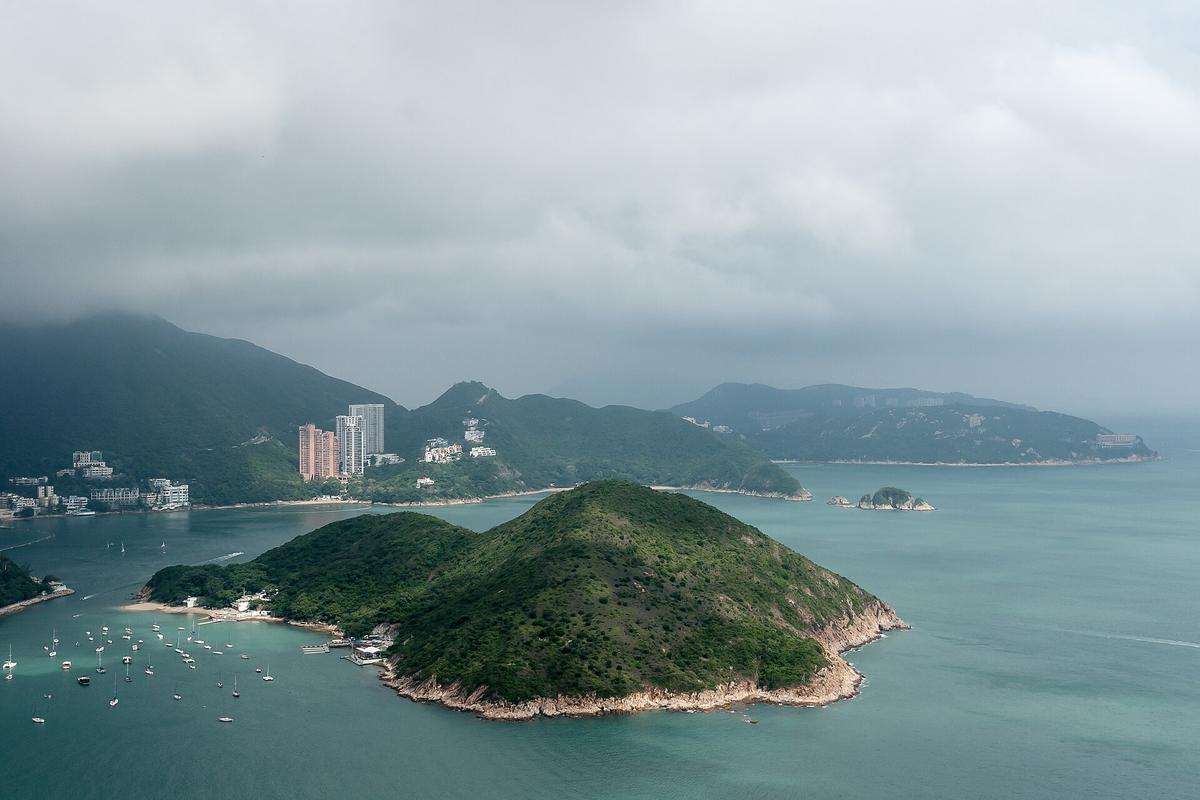
Sai Kung is a fishing town on the eastern New Territories, 45 to 60 minutes from the centre by MTR and minibus. It is the launch point for Hong Kong's most serious hiking, the MacLehose Trail, a 100 km route split into 10 sections that runs from Sai Kung to Tuen Mun. But for a weekend day trip, the focus is Sharp Island, accessible by a 15-minute kai-to boat from Sai Kung Pier. Sharp Island has a sand tombolo that emerges at low tide and connects to a smaller islet with a beach. The water is clear enough for snorkelling. The boat ride costs about HKD 40 round trip and leaves when full, which in practice means every 20 to 30 minutes on weekends.
Seafood On The Pier
Back on Sai Kung pier, the restaurants and dai pai dong stalls line the waterfront. The seafood market is literal: you buy live fish, prawns, or crab from the tanks on the pier, and the restaurants cook it for a service fee. It is not cheap. Expect HKD 200 to 400 per person for a meal with beer. But it is the most social dining experience in Hong Kong outside of a cha chaan teng.
Tai Long Wan: Four Bays Worth The Hike
Sai Kung also has the best access to Hong Kong's serious beaches. Tai Long Wan on the MacLehose Trail is a 90-minute hike from Sai Kung, but it delivers four consecutive bays, Sai Wan, Ham Tin Wan, Tai Wan, and Tung Wan, that are the closest Hong Kong comes to a tropical coastline. If you have a full day and fit legs, that hike replaces a Cheung Chau trip entirely.
Common Questions
Can I do Dragon's Back and Cheung Chau in the same day?
No. Each is a half-day trip with travel. Doing both in one day means rushing both and enjoying neither. Pick one for Saturday and one for Sunday if you have a weekend. If you only have one day, choose based on weather. Clear day means Dragon's Back. Overcast day means Cheung Chau where the food is the attraction, not the view.
What is the cheapest way to get to Lantau Island?
The MTR to Tung Chung costs about HKD 20 and takes 30 minutes. From Tung Chung, take bus 23 to Ngong Ping for under HKD 20, or bus 11 to Tai O for about HKD 12. The total round trip for two people using buses instead of the cable car is under HKD 100, compared to HKD 470 for two cable car round trips. The bus takes 20 to 30 minutes longer each way. That is worth saving the money.
Which island is best for a family with children?
Cheung Chau. It is flatter than Lamma, the ferry is shorter, and the cycle paths let kids ride bikes safely. The beach at Tung Wan is sheltered and shallow. Lamma involves more walking and the trail between villages has uneven steps. Sai Kung and Sharp Island require a second boat, which small children find tedious.
When should I avoid the hiking trails?
July to September is hot, wet, and typhoon-prone. The humidity makes even the Dragon's Back feel brutal by 10 a.m. Chinese New Year week and the first week of October bring extreme crowds to transport hubs, not trails, but the heat in summer is the real obstacle. October to early December is perfect. Late March to April is also good if drier weather holds.
Should I book a guided hike or go alone?
Go alone. The Dragon's Back and Lion Rock trails are well signed in English. The MacLehose sections are marked with distance posts. You lose nothing by self-guiding and you gain the ability to stop, skip, or turn around as you choose. The only exception is a junk boat trip, which requires a group booking of 20 to 40 people. If you lack the group, join a shared junk boat through a local organiser for HKD 300 to 800 per person including food and drinks.
Read next
-
 Hong Kong Hotels and Serviced Apartments Before a Lease
Serviced apartments in Wan Chai, Kennedy Town, and Sai Ying Pun compared for the six weeks before you sign a Hong Kong lease.
Hong Kong Hotels and Serviced Apartments Before a Lease
Serviced apartments in Wan Chai, Kennedy Town, and Sai Ying Pun compared for the six weeks before you sign a Hong Kong lease.
-
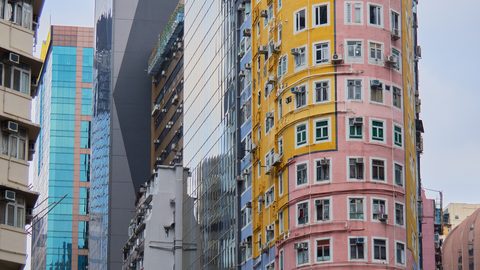 Where to Stay in Hong Kong a Shortlist of Districts Compared Honestly
Hong Kong districts vary wildly in rent, space, and commute reality. This shortlist compares where to stay based on what you actually get for your money.
Where to Stay in Hong Kong a Shortlist of Districts Compared Honestly
Hong Kong districts vary wildly in rent, space, and commute reality. This shortlist compares where to stay based on what you actually get for your money.
-
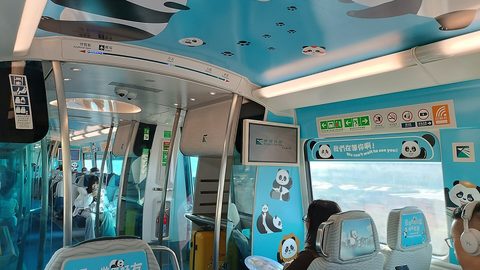 Hong Kong Flights, HKG Airport and the Airport Express
HKG to Central or Kowloon by Airport Express, taxi, or A-bus, plus how Hong Kong's in-town check-in makes it a strong flight hub.
Hong Kong Flights, HKG Airport and the Airport Express
HKG to Central or Kowloon by Airport Express, taxi, or A-bus, plus how Hong Kong's in-town check-in makes it a strong flight hub.
-
 Best Time to Visit Hong Kong Weather Calendar and the Two Decisive Months
Hong Kong's best weather arrives from October to early December, with a secondary window in late March. Avoid Chinese New Year closures and the typhoon-prone summer.
Best Time to Visit Hong Kong Weather Calendar and the Two Decisive Months
Hong Kong's best weather arrives from October to early December, with a secondary window in late March. Avoid Chinese New Year closures and the typhoon-prone summer.
-
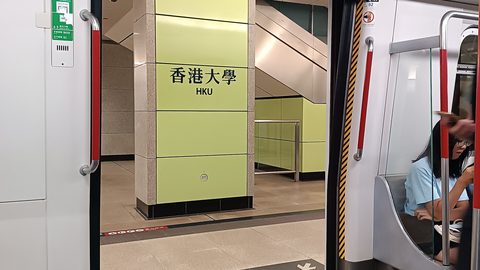 Getting Around Hong Kong MTR Octopus Minibuses and the Star Ferry
The MTR is the backbone of Hong Kong, but the Octopus card, minibuses, and exact-change rules on buses catch visitors out. Here is how to move without friction.
Getting Around Hong Kong MTR Octopus Minibuses and the Star Ferry
The MTR is the backbone of Hong Kong, but the Octopus card, minibuses, and exact-change rules on buses catch visitors out. Here is how to move without friction.
-
 Hong Kong Visa Routes Employment Dependants and Options Without a Job
Hong Kong offers several visa routes beyond standard employment sponsorship, including points-tested schemes and dependant visas that permit work without a separate application.
Hong Kong Visa Routes Employment Dependants and Options Without a Job
Hong Kong offers several visa routes beyond standard employment sponsorship, including points-tested schemes and dependant visas that permit work without a separate application.
-
 Hong Kong Expat Cost of Living Broken Down by Lifestyle Tier
Real annual costs for expats in Hong Kong: budget, comfortable, and premium tiers covering rent by district, school fees, domestic helpers, and flights home.
Hong Kong Expat Cost of Living Broken Down by Lifestyle Tier
Real annual costs for expats in Hong Kong: budget, comfortable, and premium tiers covering rent by district, school fees, domestic helpers, and flights home.
-
 How to Set Up Your Finances When You First Arrive in Hong Kong
Open the right bank account, set up Octopus and FPS, and avoid costly transfer fees. A practical money setup guide for new arrivals in Hong Kong.
How to Set Up Your Finances When You First Arrive in Hong Kong
Open the right bank account, set up Octopus and FPS, and avoid costly transfer fees. A practical money setup guide for new arrivals in Hong Kong.
-
 Mobile Plans, SIM Cards and Connectivity Costs for Expats in Hong Kong
Compare 3HK, SmarTone, and CMHK mobile plans for Hong Kong expats. Monthly costs, data tiers, prepaid vs contract, and tips on staying connected abroad.
Mobile Plans, SIM Cards and Connectivity Costs for Expats in Hong Kong
Compare 3HK, SmarTone, and CMHK mobile plans for Hong Kong expats. Monthly costs, data tiers, prepaid vs contract, and tips on staying connected abroad.