Sheung Wan: One MTR Stop West of Central, a Different Hong Kong
Sheung Wan sits one MTR stop west of Central but feels decades older, with incense-filled temples, dried seafood stalls, and independent cafes on steep narrow streets.
- Flag
-

- ISO code
- HK
Sheung Wan: One MTR Stop West of Central, a Different Hong Kong
Sheung Wan is a 2-minute, HKD 4.8 (2024 adult Octopus rate, published by MTR Corporation) train ride from Central. It feels like a different city. Central has polished towers, designer boutiques, and the Mid-Levels escalator. Sheung Wan starts at a ferry terminal for Macau and ends at a hill where dried fish, herbal medicine, and incense from an 1847 temple dominate the air. If you want texture over polish, walk west from the MTR station and uphill. This is where old Hong Kong breathing space survives alongside specialty coffee roasters and independent galleries. The neighbourhood rewards the climb.
Why Sheung Wan Feels Different
Central and Sheung Wan share a single MTR line for 0.8 km. You can walk from the Landmark in Central to Des Voeux Road West in Sheung Wan in 15 minutes flat. But the two districts operate on different economies. Central runs on finance, law, and luxury retail. Sheung Wan runs on dried seafood, antique porcelain, coffin carving, and the quiet persistence of family businesses that open by 06:00.
The Dried Seafood and Herbal Medicine Trade
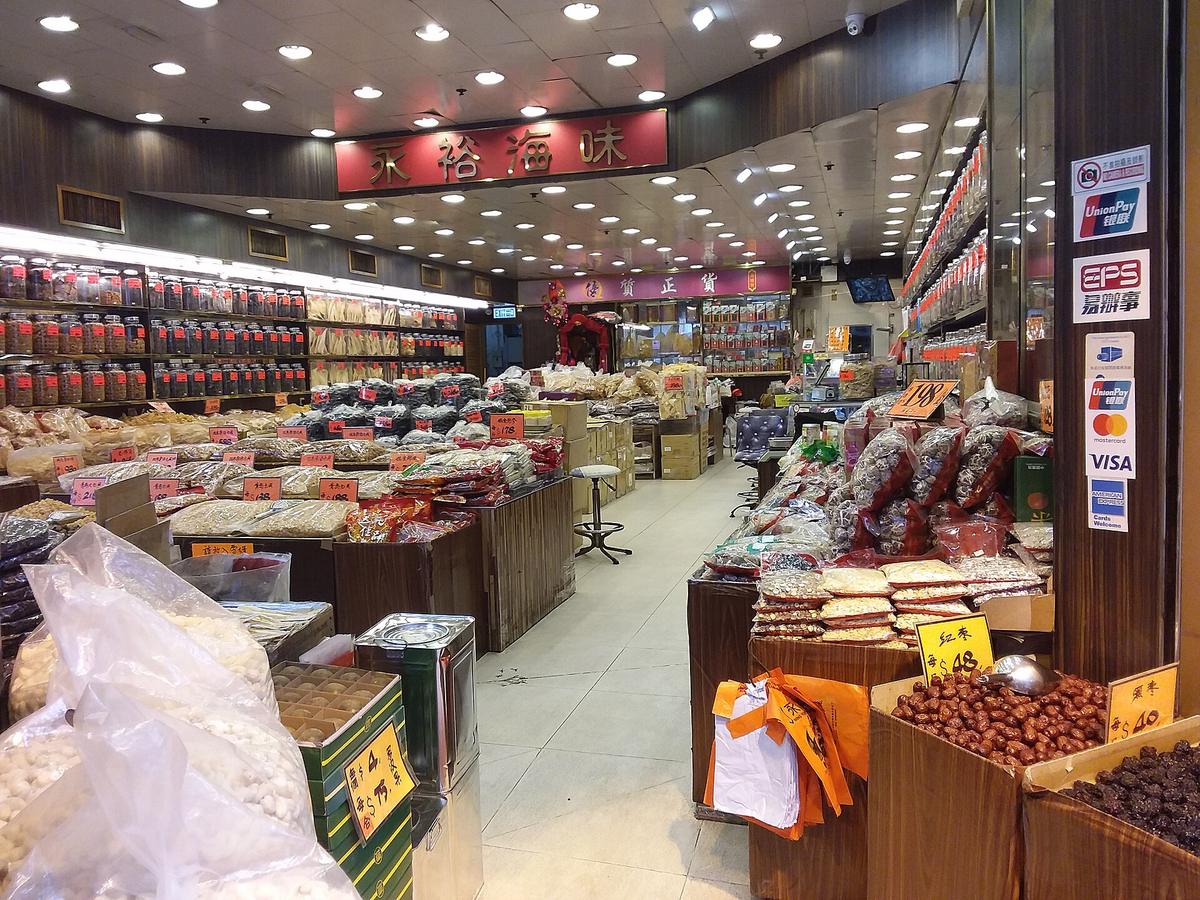
Des Voeux Road West is the spine of this district. From 06:00 each morning, shopkeepers roll out baskets of ginseng, shark fin, dried scallops, bird's nest, deer antler, and fish maw. The smell is pungent, saline, herbal. The trade is not a tourist show. These shops supply Chinese restaurants and medicine halls across the territory. Walk through them early, before the sun heats the pavement, and you will see wholesalers loading cardboard boxes into handcarts. Do not touch the stock unless invited. A single bundle of high-grade ginseng can cost more than your hotel room.
Man Mo Temple and the Spirit of the Hill
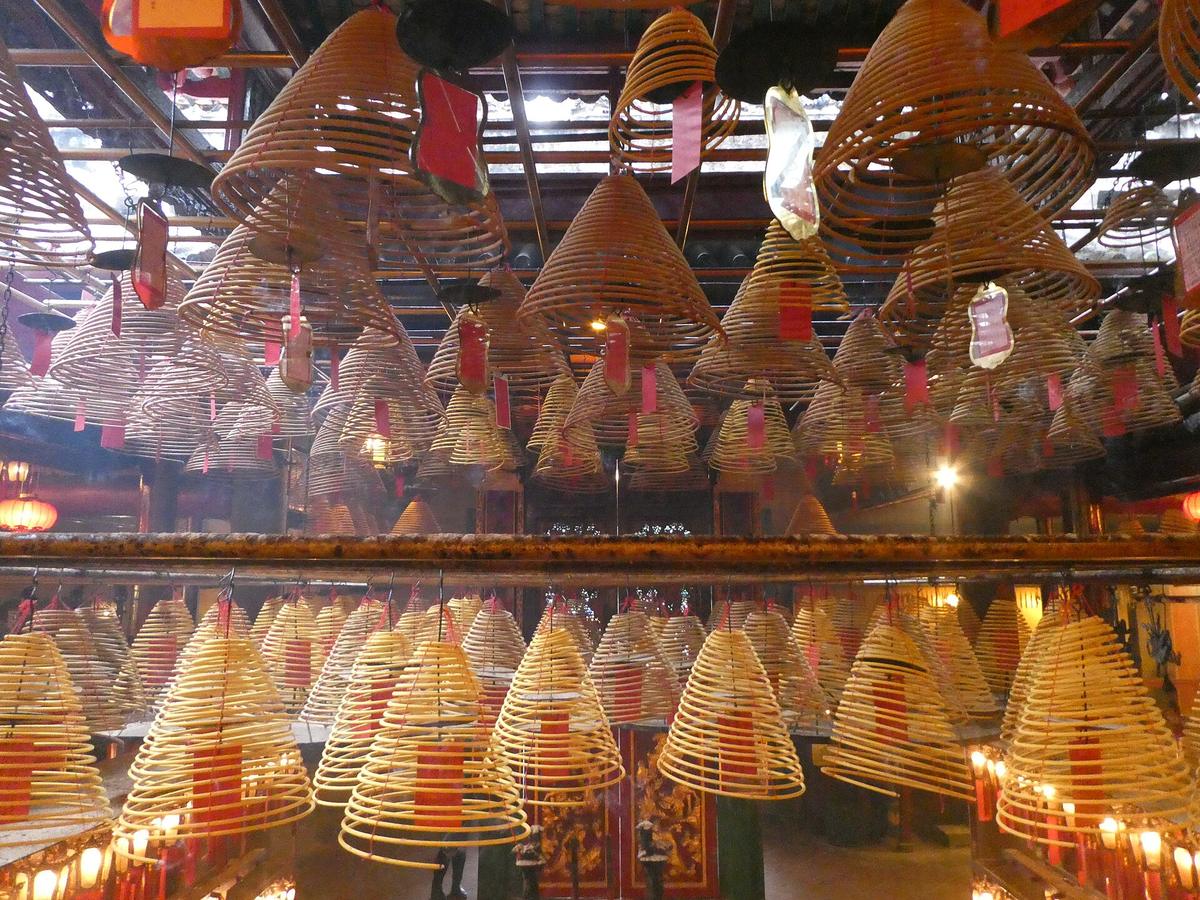
At 124 126 Hollywood Road is Man Mo Temple, built in 1847 and declared a monument in 2010. Enter between 08:00 and 18:00. The interior is dark, dense with incense coils hanging from the ceiling in giant spirals. Some coils are lit before dawn and burn for two weeks. The smoke stains the wooden beams black. The temple is small. Two halls, dedicated to Man Cheong (god of literature) and Mo Tai (god of martial arts). Spend ten minutes inside, no more. The road outside is more interesting. Walk up to Tai Ping Shan Street and the lanes that branch off it: Po Hing Fong, Pound Lane, Upper Station Street. Together these form the district called PoHo, a loose grid of tong lau buildings from the 1880s to 1960s, now housing galleries, ceramic studios, and coffee counters that roast beans in the back room.
The Coffin Shops and Cat Street
Hollywood Road in Sheung Wan still has a handful of coffin makers. These are not morbid attractions. They are family-run workshops that craft wooden coffins with hand tools, a trade that has operated in this neighbourhood for generations. Look for them between Aberdeen Street and Shing Wong Street. Nearby, Upper Lascar Row, known locally as Cat Street, is a 250-metre stretch of antique stalls. Most of what is sold here is not antique but vintage or simply old: Mao badges, jade bangles, old Chinese movie posters, and watches that may or may not run. Haggle or do not. The sellers expect haggling only if you intend to buy something. If you just want to look, say "just looking" in English or Cantonese. They will leave you alone.

What to Eat, Where to Drink, and How to Navigate
Sheung Wan has a split food scene. The old side serves congee with century egg and lean pork from stainless steel bowls at 07:00. The new side serves single origin pour overs and sourdough toast at 10:00. Both are valid. Choose based on what you want from the day.
Old Sheung Wan Breakfast
Find a congee shop on Queen's Road West or Centre Street. Order a bowl of jook with pork and salted egg, a plate of fried dough sticks, and a glass of hot soy milk. Total cost around HKD 40. Sit on a plastic stool at a communal table. Eat fast. The proprietor will clear your bowl the moment you set down the spoon. This is not rudeness. It is the rhythm of a kitchen that serves 200 breakfasts before 10:00.
New Sheung Wan Coffee and Lunch
After 09:00, the cafes in PoHo open. On Po Hing Fong and Tai Ping Shan Street you will find flat whites, avocado toast, and almond croissants. A coffee costs HKD 45 to 55. A full brunch with eggs, salad, and a pastry runs HKD 150 to 200. These are not cheap by Hong Kong standards, but the spaces are small, well lit, and quiet. Bring a book or a notebook. For lunch, the wonton noodle shops on Wing Lok Street and Bonham Strand serve springy egg noodles with prawn wontons in a clear broth. A bowl costs HKD 40 to 55. Order it with a side of blanched choy sum.
Getting Around Sheung Wan and Beyond
The MTR station has one exit that matters for the old streets: Exit A2 onto Hillier Street. From there walk west and uphill. The Hong Kong Macau Ferry Terminal is inside Shun Tak Centre at 200 Connaught Road Central, operated by TurboJET and Cotai Water Jet. A ferry to Macau departs every 15 to 30 minutes and takes 55 to 60 minutes. If you are heading back to Central, walk east along Des Voeux Road Central. It is flat and takes less than a quarter of an hour. You will pass Tung Street, Wing Kut Street, and the edge of the dried seafood district. Do not take the tram unless you have an Octopus card with a charged balance. Trams require exact change in coin. Most visitors do not carry HKD 3 in coins without warning.
The Friction That Makes it Real
Sheung Wan demands that you pay attention. Pavements are narrow. They are often blocked by scaffolding, stacked cardboard boxes, or a delivery truck unloading dried scallops. Walking the 0.49 square kilometres of this district takes longer than the map suggests. Public toilets are scarce. The best option is the Sheung Wan Municipal Services Building on Queen's Road Central, which has a clean public toilet on the ground floor. Air conditioning in shops and cafes is aggressive. Carry a light jacket or shirt in your bag every month of the year. Many smaller eateries and dried seafood shops are cash only. The nearest ATM is on Des Voeux Road West, but it is often out of service. Withdraw cash at the MTR station before you walk uphill.
Residential rents in Sheung Wan are 20 to 35 percent cheaper than in Central for equivalent floor area. That is why the neighbourhood attracts artists, chefs, and small business owners who cannot afford the glass towers one metro stop east. The price gap is visible in the street fabric. The tong lau buildings are not renovated into luxury lofts. They are original or lightly adapted. You can see the wear on the staircases. That wear is the point.
Sheung Wan suits the traveller who wants to slow down inside a fast city. Spend a morning watching dried scallops get weighed on a brass scale. Spend an afternoon in a white cube gallery on Pound Lane. Spend an evening drinking strong milk tea at a cha chaan teng on Hollywood Road. It does not suit anyone who wants a single landmark to photograph and leave. The value is in the pace, not the asset.
.jpg)
| Feature | Sheung Wan | Central | Kennedy Town |
|---|---|---|---|
| MTR travel time from Central | 2 minutes | N/A (start) | 8 minutes |
| Street character | Dried seafood, temples, coffins | Finance towers, luxury shops, escalator | Waterfront promenade, relaxed cafes |
| Best time to visit | 06:00 09:00 for markets | After 11:00 for shopping | Late afternoon for sunset walk |
| Typical meal cost (lunch) | HKD 40 55 (local), HKD 150 200 (cafe) | HKD 80 150 (work lunch) | HKD 60 100 (local), HKD 120 180 (cafe) |
| Notable landmark | Man Mo Temple (1847) | Bank of China Tower, Tai Kwun | Kennedy Town Promenade |
| Ferry connections | Macau (55 60 minutes) | Star Ferry to Tsim Sha Tsui | None |
Frequently Asked Questions
How far is Sheung Wan from Central by MTR?
The MTR ride is 0.8 km and takes 2 minutes. The adult Octopus fare was HKD 4.8 in 2024, published by MTR Corporation. You can also walk from Central District in about 15 minutes on foot.
What is PoHo in Sheung Wan?
PoHo is the district bounded by Po Hing Fong, Tai Ping Shan Street, Pound Lane, and Upper Station Street. It is a grid of old tong lau buildings (1880s to 1960s, 4 to 6 storeys) now housing galleries, coffee roasters, and design studios.
When do the dried seafood shops on Des Voeux Road West open?
Both the dried seafood trade and the herbal medicine trade start at 06:00. Arrive between 06:30 and 08:00 for the most active loading and sorting before the street gets crowded.
What is the address of Man Mo Temple and when was it built?
Man Mo Temple is at 124 126 Hollywood Road, Sheung Wan. It was built in 1847 and was declared a monument in 2010. It is open daily, and you can enter without a ticket.
Is Cat Street the same as Upper Lascar Row?
Yes. Cat Street is the local name for Upper Lascar Row. It is 250 metres long and lined with antique and vintage stalls. Most items are decorative rather than museum grade. It is best visited between 11:00 and 17:00.
Does Sheung Wan have a ferry to Macau?
Yes. The Hong Kong Macau Ferry Terminal is inside Shun Tak Centre at 200 Connaught Road Central, operated by TurboJET and Cotai Water Jet. Ferry crossings take 55 to 60 minutes and depart every 15 to 30 minutes depending on time of day.
What is the residential population of Sheung Wan?
According to the 2021 census, Sheung Wan has 18,900 residents within an area of 0.49 square kilometres. That density explains the narrow pavements and the persistent street life.
Read next
-
 Living in Sheung Wan The Walk to Central and the Smell of Dried Seafood
A frank look at renting in Sheung Wan, weighing the short walk to Central against the pervasive dried seafood aroma on certain streets and the actual flat prices.
Living in Sheung Wan The Walk to Central and the Smell of Dried Seafood
A frank look at renting in Sheung Wan, weighing the short walk to Central against the pervasive dried seafood aroma on certain streets and the actual flat prices.
-
 Eating in Sheung Wan Old Trades New Cafes and Cha Chaan Tengs
A guide to eating in Sheung Wan that traces the line between the old dried-goods trade canteens and the new independent cafes on the same steep streets.
Eating in Sheung Wan Old Trades New Cafes and Cha Chaan Tengs
A guide to eating in Sheung Wan that traces the line between the old dried-goods trade canteens and the new independent cafes on the same steep streets.
-
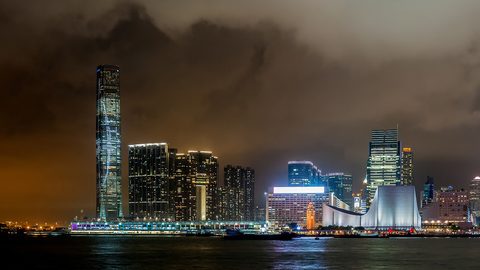 Hong Kong First Arrival Guide From Airport to Understanding the City
Hong Kong rewards those who treat it as a series of distinct neighbourhoods rather than a single city centre. Here is the geography and rhythm every newcomer needs.
Hong Kong First Arrival Guide From Airport to Understanding the City
Hong Kong rewards those who treat it as a series of distinct neighbourhoods rather than a single city centre. Here is the geography and rhythm every newcomer needs.
-
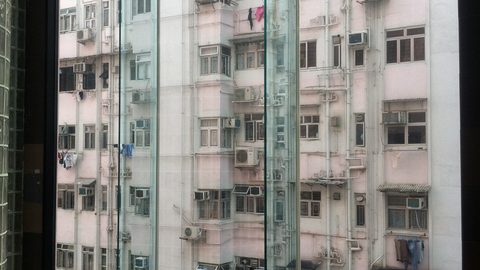 Hong Kong Hotels and Serviced Apartments Before a Lease
Serviced apartments in Wan Chai, Kennedy Town, and Sai Ying Pun compared for the six weeks before you sign a Hong Kong lease.
Hong Kong Hotels and Serviced Apartments Before a Lease
Serviced apartments in Wan Chai, Kennedy Town, and Sai Ying Pun compared for the six weeks before you sign a Hong Kong lease.
-
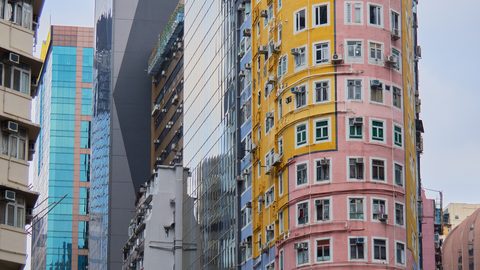 Where to Stay in Hong Kong a Shortlist of Districts Compared Honestly
Hong Kong districts vary wildly in rent, space, and commute reality. This shortlist compares where to stay based on what you actually get for your money.
Where to Stay in Hong Kong a Shortlist of Districts Compared Honestly
Hong Kong districts vary wildly in rent, space, and commute reality. This shortlist compares where to stay based on what you actually get for your money.
-
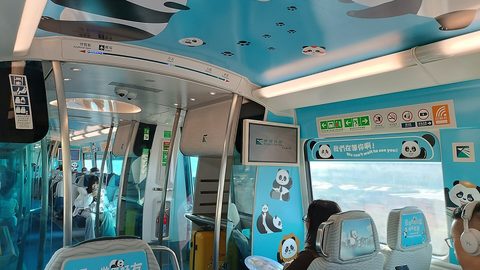 Hong Kong Flights, HKG Airport and the Airport Express
HKG to Central or Kowloon by Airport Express, taxi, or A-bus, plus how Hong Kong's in-town check-in makes it a strong flight hub.
Hong Kong Flights, HKG Airport and the Airport Express
HKG to Central or Kowloon by Airport Express, taxi, or A-bus, plus how Hong Kong's in-town check-in makes it a strong flight hub.
-
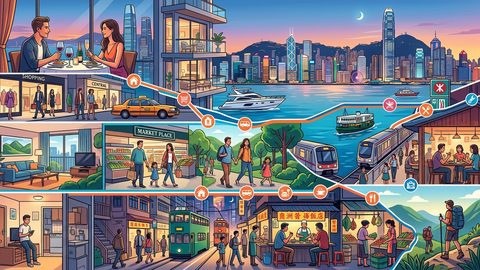
 Central vs Sheung Wan Hong Kong One MTR Stop Apart and a Different Life
Central and Sheung Wan sit one MTR stop apart but offer two different Hong Kongs: one of glass finance and nightlife, the other of dried seafood, antiques, and slower streets.
Central vs Sheung Wan Hong Kong One MTR Stop Apart and a Different Life
Central and Sheung Wan sit one MTR stop apart but offer two different Hong Kongs: one of glass finance and nightlife, the other of dried seafood, antiques, and slower streets.
-
 Hong Kong Expat Cost of Living Broken Down by Lifestyle Tier
Real annual costs for expats in Hong Kong: budget, comfortable, and premium tiers covering rent by district, school fees, domestic helpers, and flights home.
Hong Kong Expat Cost of Living Broken Down by Lifestyle Tier
Real annual costs for expats in Hong Kong: budget, comfortable, and premium tiers covering rent by district, school fees, domestic helpers, and flights home.
-
 How to Set Up Your Finances When You First Arrive in Hong Kong
Open the right bank account, set up Octopus and FPS, and avoid costly transfer fees. A practical money setup guide for new arrivals in Hong Kong.
How to Set Up Your Finances When You First Arrive in Hong Kong
Open the right bank account, set up Octopus and FPS, and avoid costly transfer fees. A practical money setup guide for new arrivals in Hong Kong.