Eating in Hong Kong From Wonton Noodles to Roast Goose Without Speaking Cantonese
Hong Kong's food culture spans cha chaan teng breakfasts, dim sum order sheets, and dai pai dong wok-hei. Here is how to eat well without speaking Cantonese.
Eating in Hong Kong Starts with Knowing What You Are Walking Into
Do not treat Hong Kong street food as grab and go. The city's food culture runs through four distinct institutions, each with its own etiquette, peak hours, and payment rules. Cha chaan teng, dim sum teahouses, dai pai dong, and roast goose specialists. Each demands a slightly different approach. None of them require you to speak Cantonese. You just need to know what to look for, what to order, and what the system expects from you.
Hong Kong is a dense, humid, vertical city where Cantonese street life sits minutes from glass and steel finance towers. The pace is fast. The space is tight. The city rewards travellers who treat it as a series of neighbourhoods rather than a checklist. Arrive with four full days minimum. One day on Hong Kong Island, one in Kowloon, one day trip or hike, and one flex day for food and shopping. Do not stay only in Tsim Sha Tsui or Central. You will miss the neighbourhood food spreads across the territory. Plan deliberate travel between districts. The best meals are not all on the same block.

The Four Places You Will Eat and How Each One Works
Cha Chaan Teng: The Fast, Cheap Canteen
Cha chaan teng translates to tea restaurant. Think diner speed with a Cantonese menu. Order the signature silk stocking milk tea: black tea pulled through a cloth sock filter, mixed with evaporated milk and sweetened with condensed milk. Get it cold and expect a HK$3 to HK$8 surcharge. Order the pineapple bun, bo lo bao, a sweet bun with a crunchy top, split and stuffed with a slab of cold butter. Order pork chop rice with tomato sauce. Order instant noodles with luncheon meat and fried egg. Order the deep-fried French toast, filled with peanut butter or kaya and topped with butter and condensed milk. Heart attack on a plate. Eat it once.
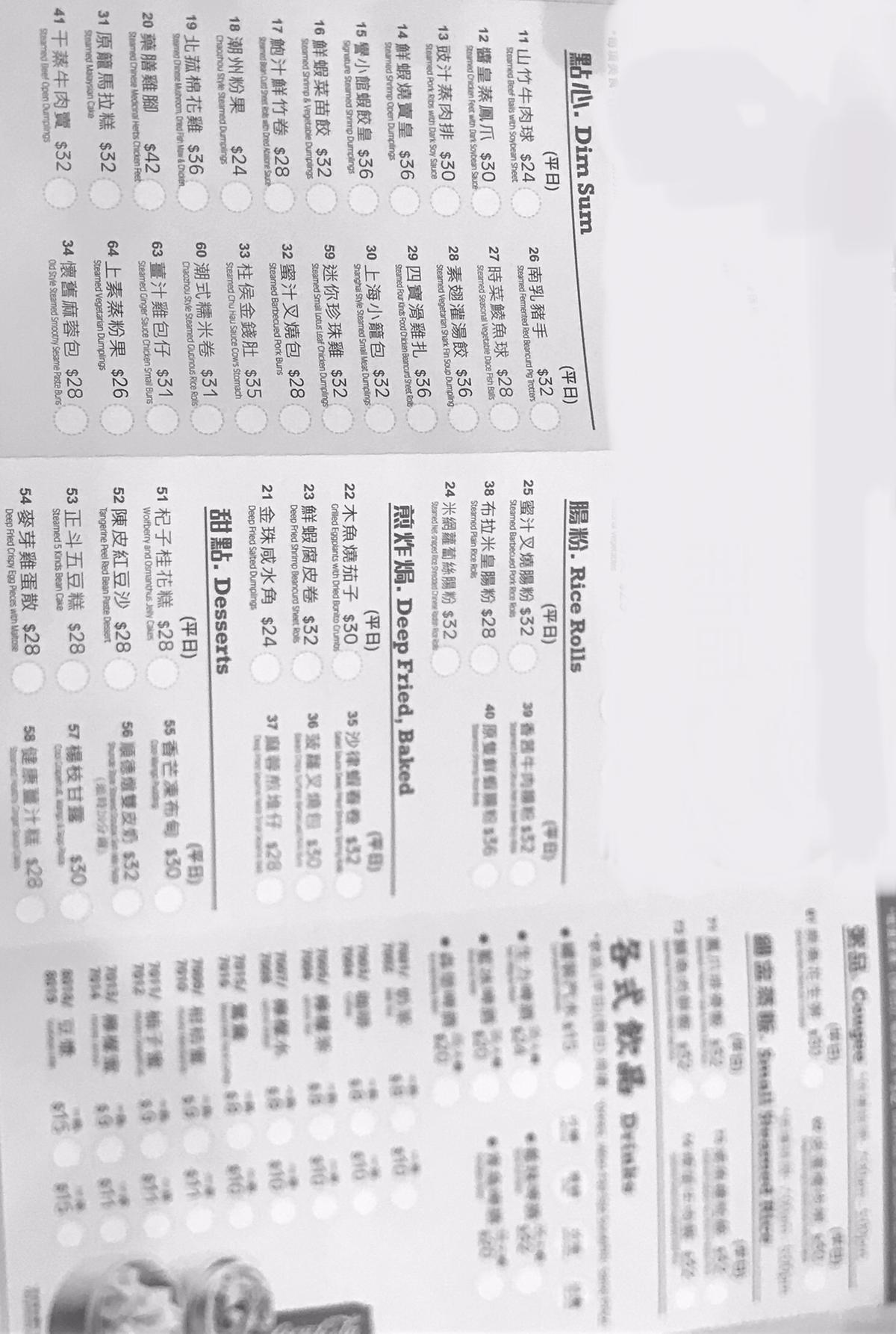
Meals are structured as sets. Breakfast sets run HK$30 to HK$50. Lunch sets run HK$45 to HK$70. Tea sets run HK$30 to HK$55. Dinner sets run HK$55 to HK$90. A set includes a main, a drink, and sometimes bread or eggs. Upgrade a hot drink to cold for the surcharge. The menu uses letter codes. Set A or Set C includes noodles, egg, bread, and a drink. Point at the plastic food models outside the shop. Point at the menu photos. Point at what someone else is eating. All three methods work.
Learn the shorthand. Say "zau yau" to walk the oil, meaning less oil. Say "fei tong" to fly the sugar, meaning no sugar in your milk tea. Say "mai daan" for the bill. Say "lo zao" or "da bao" for takeaway. Share a table. Order quickly during peak hours, 12:00 to 14:00 and 18:00 to 21:00. Do not linger. Eat, pay, leave.
Dim Sum Teahouses: Tick The Box, Wait For The Basket
Dim sum is a morning to mid-afternoon meal, roughly 07:00 to 16:00, though larger chains now serve it 18:00 to 22:00. On weekends at popular central locations, expect a 30 to 90 minute wait. The ordering system is a tick-box paper menu or a stamp card. Some places use QR codes. You do not need to say a word. Look at the item numbers. Tick the boxes. Hand the paper to the server. That is it.
Price per basket at a neighbourhood teahouse is HK$20 to HK$40. At a mid-range chain, HK$30 to HK$60. At a hotel or Michelin-listed room, HK$50 to HK$120. Add a tea charge per person of HK$8 to HK$20. Add a 10% service charge at most sit-down restaurants. The cheapest Michelin-starred meal in the city is at Tim Ho Wan in Sham Shui Po, where dim sum items start at HK$20 to HK$40.
Know the etiquette. Leave the teapot lid open or tilted to signal a refill request. Tap two fingers on the table when someone pours your tea: that means thanks. Do not leave chopsticks standing vertically in your rice. That is a funeral ritual. When sharing dishes, take from the top piece. Do not search underneath. Steamed items to order: har gow (shrimp dumplings), siu mai (pork and shrimp dumplings), char siu bao (barbecue pork buns), cheung fun (rice noodle rolls), lo bak go (turnip cake). Fried or baked items to order: spring rolls, taro croquette, baked barbecue pork bun. Finish with an egg tart or mango pudding.
Dai Pai Dong: Open Air, Cash Only, Wok Hei
Only 25 licensed dai pai dong remain in Hong Kong. These are open-air stalls with folding tables and stools, no air conditioning, no credit cards. Cash only. Find the remaining clusters in Central on Graham Street and Stanley Street, Sham Shui Po on Yiu Tung Street, Tai Hang, and Wan Chai. Peak hours are 12:00 to 14:00 and 18:00 to 21:00. Stir-fried dishes run HK$40 to HK$80. Rice or noodle plates run HK$30 to HK$60. A meal for two runs HK$150 to HK$300.
The draw is wok hei, the smoky breath of the wok that is impossible to replicate at home. Order stir-fried beef hor fun or clams in black bean sauce. Point at what you want. Pay in cash. Share a table. Do not linger. The food comes fast because the heat is extreme and the cook does not stop moving.
Roast Goose Specialists: Lacquered Skin And Plum Sauce
The benchmark is Yung Kee in Central, founded in 1942. A whole goose runs about HK$700 to HK$900. A portion runs HK$200 to HK$300. The Michelin one-star alternative is Kam's Roast Goose, also in Central. A half goose runs HK$300 to HK$400. A leg with rice runs HK$100 to HK$150. The goose is sliced, skin lacquered, served with plum sauce. Order a roast goose rice plate for HK$80 to HK$150. Do not overcomplicate it. The best wonton noodle soup in the same area is at Mak's Noodle, also in Central, founded in Guangzhou and moved to Hong Kong after World War II. A regular bowl runs HK$45 to HK$60. It comes with egg noodles, shrimp and pork wontons in a clear broth. Four wontons per bowl. Small by Western standards. Order two bowls.
How to Order Without a Word of Cantonese
You have multiple options and none of them require you to practice tones. At a cha chaan teng, point at the plastic food models displayed in the window. Each model has a number. Tell the server the number. At a dim sum teahouse, tick the paper card by item number. At a dai pai dong, walk to the stall, look at what is being cooked, and point. At a roast goose specialist, the menu is bilingual with photos. When all else fails, point at another table's dish and say "that one".
Carry a translation app with Traditional Chinese characters. Google Maps works, but Citymapper and MTR Mobile are more reliable for routing. Buy a local SIM or eSIM with data at the airport or a convenience store. It is cheap. Free public Wi-Fi exists but is inconsistent. Do not rely on it.
| Institution | Meal For Two | Payment | Peak Hours |
|---|---|---|---|
| Cha Chaan Teng | HK$80 to HK$160 | Cash or Octopus | 12:00 to 14:00, 18:00 to 21:00 |
| Dim Sum Teahouse | HK$150 to HK$300 | Cash, Octopus or Card | 07:00 to 14:00 |
| Dai Pai Dong | HK$150 to HK$300 | Cash Only | 12:00 to 14:00, 18:00 to 21:00 |
| Roast Goose Specialist | HK$200 to HK$500 | Cash or Card | 11:00 to 14:30, 17:30 to 21:00 |

The Less Expected Places to Find Great Food
Cooked Food Centres
Cooked food centres sit one or two floors above wet markets in many districts. Bowrington Road in Wan Chai and Java Road in North Point are benchmarks. These are communal seating, self-service, no service charge, cash preferred. Stir-fried dishes run HK$50 to HK$100. Seafood is priced per catty, 604 grams, plus a cooking fee of HK$50 to HK$150 per dish. Beer runs HK$20 to HK$40 per bottle. Most stalls close by 22:00 to 23:00. A meal for two runs HK$200 to HK$400. The food is better and cheaper than a sit-down restaurant because the overhead is lower.
Wet Markets
Wet markets themselves are worth a walk through. They operate roughly 06:00 to 20:00 with peak hours 08:00 to 11:00. Cash only, mostly small notes. Vegetables for one meal run HK$10 to HK$30. Pork for one meal runs HK$25 to HK$50. A whole fish for one meal runs HK$40 to HK$100. You can assemble a meal from raw ingredients for a fraction of restaurant cost. But the kitchens in Hong Kong apartments are tiny. Two-burner hob, small fridge, no oven in many older flats. Cooking at home takes 45 to 90 minutes including washing up. A cha chaan teng meal is served in 5 to 10 minutes. That time arbitrage is why everyone eats out.
Street Food and Claypot Rice
Street food is the quickest entry point. Egg waffles, gai daan zai, HK$15 to HK$30. Fishball skewers, HK$10 to HK$20. Stinky tofu, HK$15 to HK$30. Egg tarts, HK$8 to HK$15. A bowl of congee with fried dough stick runs HK$30 to HK$50. A bowl of beef brisket noodles runs HK$40 to HK$70. A plate of char siu rice runs HK$40 to HK$70. Order by pointing, pay in cash, eat standing.
Claypot rice is strongest in cooler months, roughly October to March. The benchmark area is Temple Street in Yau Ma Tei, but you also find it in Sai Wan Ho and Tai Po. At a street stall, a pot runs HK$50 to HK$90. At a restaurant, HK$70 to HK$120. Cooking time is 15 to 25 minutes after ordering. The signature topping is Chinese preserved sausage, lap cheong, and cured pork belly. The bottom layer is scorched rice crust, fan jiu, which is the best part. Order it, wait, eat the crispy bottom, leave.
Common Questions
Do I need to tip in Hong Kong restaurants?
No. A 10% service charge is already added at most sit-down restaurants with table service. That is the tip. Do not add extra. At dai pai dong and cooked food centres, there is no service charge and no tipping.
Can I use my credit card at a dai pai dong?
No. Cash only at almost all dai pai dong and many small cha chaan teng. Octopus card works at many chains and some wet market stalls. Credit cards are accepted at mid-range restaurants and above, with a HK$100 to HK$200 minimum spend.
How do I get tap water at a restaurant?
You do not. Tap water is not routinely served. The default drink is tea. If you want water, ask for it. You will get bottled water with a charge. Carry your own bottle and refill at your hotel.
What should I do if the restaurant is full and people are waiting?
Eat faster. Order quickly, eat, pay, and leave. Lingering after your plate is empty is rude. If there is a queue, your table belongs to the people behind you the moment you finish.
Read next
-
 Hong Kong Hotels and Serviced Apartments Before a Lease
Serviced apartments in Wan Chai, Kennedy Town, and Sai Ying Pun compared for the six weeks before you sign a Hong Kong lease.
Hong Kong Hotels and Serviced Apartments Before a Lease
Serviced apartments in Wan Chai, Kennedy Town, and Sai Ying Pun compared for the six weeks before you sign a Hong Kong lease.
-
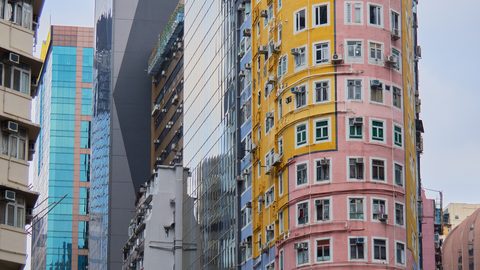 Where to Stay in Hong Kong a Shortlist of Districts Compared Honestly
Hong Kong districts vary wildly in rent, space, and commute reality. This shortlist compares where to stay based on what you actually get for your money.
Where to Stay in Hong Kong a Shortlist of Districts Compared Honestly
Hong Kong districts vary wildly in rent, space, and commute reality. This shortlist compares where to stay based on what you actually get for your money.
-
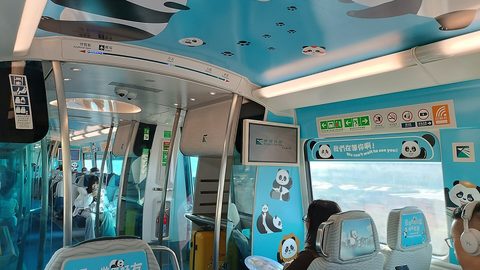 Hong Kong Flights, HKG Airport and the Airport Express
HKG to Central or Kowloon by Airport Express, taxi, or A-bus, plus how Hong Kong's in-town check-in makes it a strong flight hub.
Hong Kong Flights, HKG Airport and the Airport Express
HKG to Central or Kowloon by Airport Express, taxi, or A-bus, plus how Hong Kong's in-town check-in makes it a strong flight hub.
-
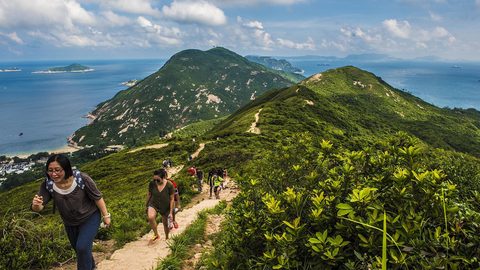 Hong Kong Weekends Hiking Trails Island Day Trips and Visitor Itineraries
Hong Kong's best escapes are minutes from the MTR: ridge hikes with harbour views, car-free islands with seafood, and fishing villages on stilts reachable in under an hour.
Hong Kong Weekends Hiking Trails Island Day Trips and Visitor Itineraries
Hong Kong's best escapes are minutes from the MTR: ridge hikes with harbour views, car-free islands with seafood, and fishing villages on stilts reachable in under an hour.
-
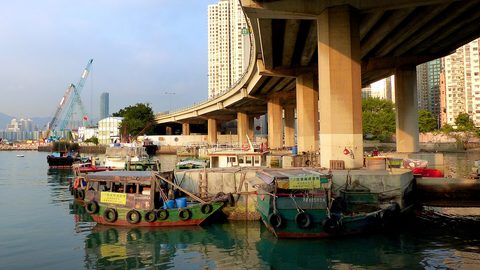 Best Time to Visit Hong Kong Weather Calendar and the Two Decisive Months
Hong Kong's best weather arrives from October to early December, with a secondary window in late March. Avoid Chinese New Year closures and the typhoon-prone summer.
Best Time to Visit Hong Kong Weather Calendar and the Two Decisive Months
Hong Kong's best weather arrives from October to early December, with a secondary window in late March. Avoid Chinese New Year closures and the typhoon-prone summer.
-
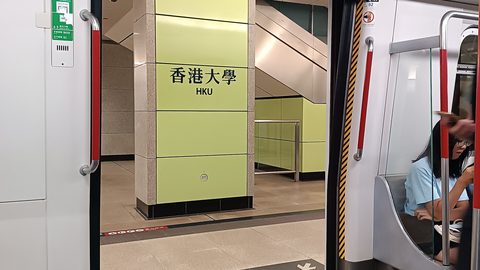 Getting Around Hong Kong MTR Octopus Minibuses and the Star Ferry
The MTR is the backbone of Hong Kong, but the Octopus card, minibuses, and exact-change rules on buses catch visitors out. Here is how to move without friction.
Getting Around Hong Kong MTR Octopus Minibuses and the Star Ferry
The MTR is the backbone of Hong Kong, but the Octopus card, minibuses, and exact-change rules on buses catch visitors out. Here is how to move without friction.
-
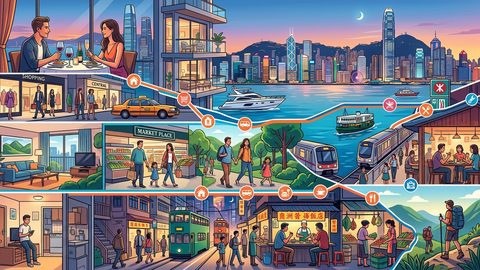 Hong Kong Expat Cost of Living Broken Down by Lifestyle Tier
Real annual costs for expats in Hong Kong: budget, comfortable, and premium tiers covering rent by district, school fees, domestic helpers, and flights home.
Hong Kong Expat Cost of Living Broken Down by Lifestyle Tier
Real annual costs for expats in Hong Kong: budget, comfortable, and premium tiers covering rent by district, school fees, domestic helpers, and flights home.
-
 How to Set Up Your Finances When You First Arrive in Hong Kong
Open the right bank account, set up Octopus and FPS, and avoid costly transfer fees. A practical money setup guide for new arrivals in Hong Kong.
How to Set Up Your Finances When You First Arrive in Hong Kong
Open the right bank account, set up Octopus and FPS, and avoid costly transfer fees. A practical money setup guide for new arrivals in Hong Kong.
-
 Mobile Plans, SIM Cards and Connectivity Costs for Expats in Hong Kong
Compare 3HK, SmarTone, and CMHK mobile plans for Hong Kong expats. Monthly costs, data tiers, prepaid vs contract, and tips on staying connected abroad.
Mobile Plans, SIM Cards and Connectivity Costs for Expats in Hong Kong
Compare 3HK, SmarTone, and CMHK mobile plans for Hong Kong expats. Monthly costs, data tiers, prepaid vs contract, and tips on staying connected abroad.