Furnishing a Flat, Wet Markets, and Where Things Are Cheap
Where to furnish a Hong Kong flat without overpaying, from IKEA and Pricerite to Sham Shui Po electronics and wet market produce.
The 6pm Temple Street Tradeoff
At dusk in Yau Ma Tei, a small crowd gathers around a fortune teller who works by birdcage. The old man pulls a sheaf of bamboo sticks from a tin, shakes, and a single stick drops. The bird, a plain finch, hops down, picks the stick in its beak, and carries it back. For HK$60, you get a prediction. For the same money at a nearby fruit stall, you get three mangoes. Every transaction asks whether you are buying convenience or a performance. Knowing which is which saves you money and time.
Where Not to Buy Furniture
Hong Kong is not cheap for new furniture. Imported brands carry a premium. A sofa that costs GBP 800 in London will land in a Causeway Bay showroom at the equivalent of GBP 1,300 before delivery. You pay for the warehouse rent, the vertical elevator, and the narrow street access. The largest furniture retailer by reach is IKEA, with four stores across the city. Standard delivery starts around HK$50, but that is for a box you can carry. Assembled furniture arrives on a schedule that treats your time as flexible, not yours.
Two Better Options For Furnishing A Flat
The first is Japan Home Centre, with more than 200 locations across the territory. Their kitchenware runs HK$12 to HK$100. Storage bins sit at HK$12 to HK$150. These are not heirloom pieces. They are plastic, collapsible, and precisely the right tool for a humid city where mould eats cardboard boxes in three months. Buy the cheapest chopping board at JHC for HK$15. Replace it when it warps, and feel nothing about the loss.
Second Hand Is The Smart First Stop
The second option is the expat leaving sale, the single largest price distortion in the local household goods market. Expats rotate on two year leases. Peak exit seasons are May through July and November through December. On Facebook groups such as Hong Kong Expat Selling & Buying and Hong Kong ASIA EXPAT Buy & Sell, departing tenants offload their entire apartment for 70 to 90 percent below the original retail price. A sofa that cost HK$12,000 new sells for HK$1,500 if you can pick it up within 48 hours. The downside is logistics. Move Out Day means you sort through photographs of stained mattresses and negotiate with sellers who have already shipped their car to Singapore. Hire a van by the hour and bring a friend with a strong back. For anyone outfitting a flat for less than 12 months, buying new furniture in Hong Kong is a mistake.

Sham Shui Po: the Discount with a Catch
Sham Shui Po is the part of Kowloon where electronics wholesale meets flea market. The anchor is Golden Computer Centre, a multi floor bazaar of small stalls selling PC components, cables, and accessories at 10 to 25 percent below what a chain like Broadway or Fortress charges. The genuine savings are on desktop parts, adapters, memory cards, and every kind of wire. The catch is risk. Many items in Golden Computer Centre are parallel imports, meaning they have no Hong Kong distributor warranty. If a motherboard fails on day 31, you own the problem. Do not buy the latest smartphone, a major brand laptop, or a gaming console here. The price is not low enough to justify the absence of support. Down the street on Apliu Street, the flea market sells used phones, discarded hard drives, and grey market goods. Browse Apliu. Do not buy there.
Wet Markets: the Real Grocery Saving
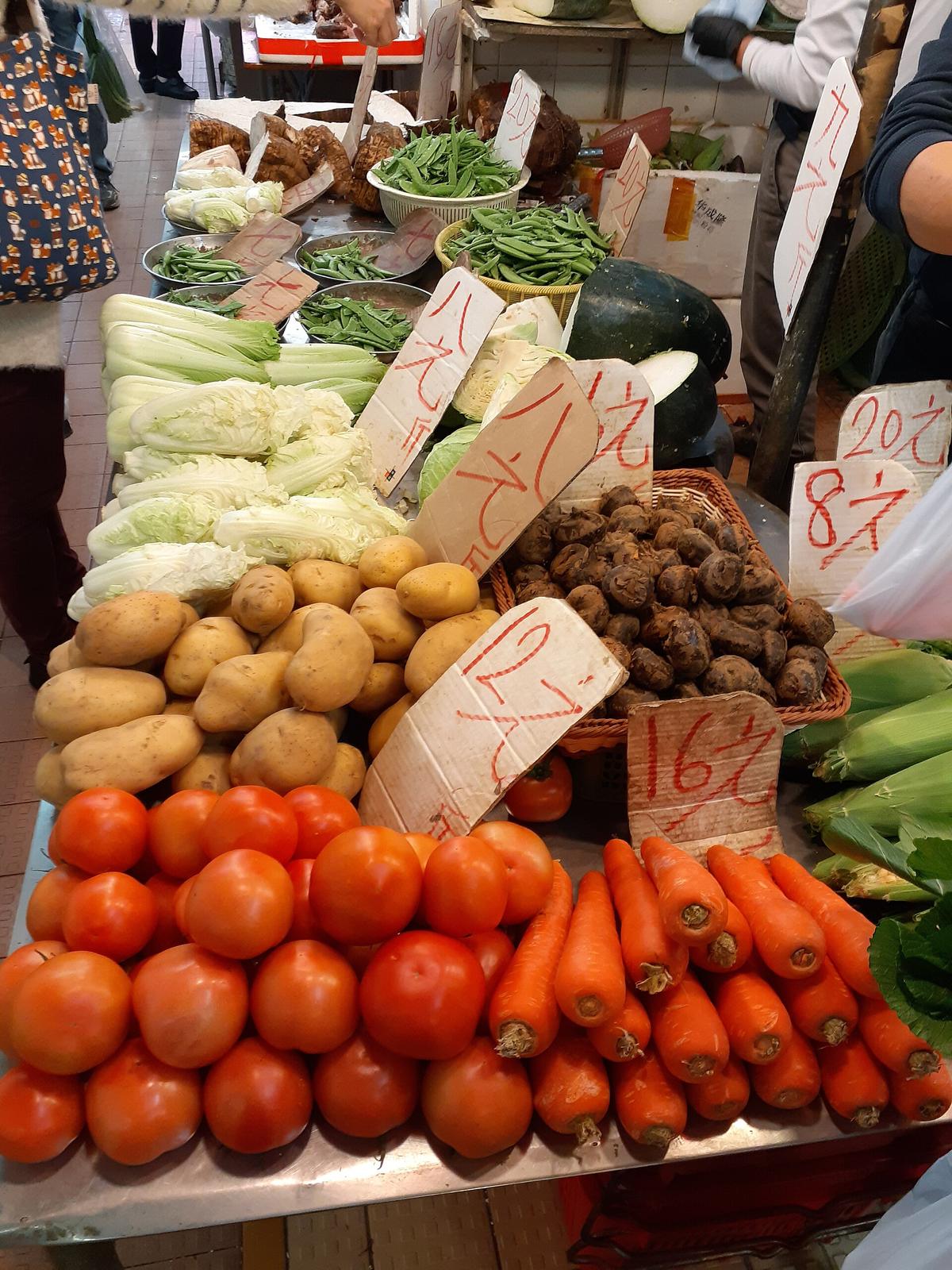
The price difference between a wet market and a supermarket in Hong Kong is large enough to reshape how you think about food. Vegetables at a chain supermarket run HK$10 to HK$40 per pack. At a wet market, the same portion costs HK$5 to HK$20. Meat is 10 to 30 percent cheaper. The freshness gap is wider. Wet market produce is very often harvested the same morning. Supermarket produce has been in a cold chain for two to five days. The difference in a stir fry is immediate. Start at the market in Wan Chai, just off Queen's Road East. Go early, before 08:30, when the selection is fullest and the vendors have time to explain what the leafy green you have never seen is called and how to cook it.
The tradeoff is that a wet market requires cash, a bag, and the ability to accept that the environment is loud, wet underfoot, and smells of live poultry. If that sounds like a hassle, pay the supermarket premium. If you are cooking for yourself in a short term rental, the wet market is the one place where shopping in Hong Kong is unambiguously cheaper than in most Western cities.
What is Actually Cheap, and What is Not
Tailored clothing is genuinely cheaper in Hong Kong. A men's two piece suit from a Tsim Sha Tsui tailor on Nathan Road or Kimberley Road costs HK$2,000 to HK$4,000 at entry level, HK$5,000 to HK$10,000 for mid range, and HK$12,000 and up for high end cloth. The same work in London or New York would be 40 to 60 percent more. The standard turnaround is three to seven days with one or two fittings. Express service in 24 to 48 hours costs a surcharge but works if you are leaving. Get the suit you will actually wear from a shop where the tailor measures you personally, not a storefront selling off the rack Italian brands.
Genuine Bargains To Book Now
Prescription glasses are another genuine bargain. A pair of frames with high index lenses from a shop in Mong Kok can run HK$600 to HK$1,200. The same pair from an optical chain in a mall costs double. Public transport is cheap. A ride across town on the MTR costs less than a bottle of water. Dim sum at a teahouse with push carts runs HK$30 to HK$60 per dish. Mobile data plans with unlimited data start at around HK$150 per month. All of these are areas where the visitor gets real value.
Skip The Imported Groceries
What is not cheap: imported groceries. City'super sells a litre of imported milk for HK$35 to HK$55, two to three times what it costs in the country of origin. Cheese runs HK$25 to HK$80 per 100 grams. Pasta is HK$25 to HK$60 per 500 gram bag. The premium over origin country retail is 50 to 200 percent. Do not buy imported groceries. Eat local. The wet market has everything you need. Alcohol has been duty free since 2008, but the retail markup on imported wine and spirits remains high enough that it is not a bargain. Housing is not cheap. A one bedroom on Hong Kong Island rents for HK$15,000 to HK$30,000 per month. In Kowloon, HK$10,000 to HK$20,000. Do not move to Hong Kong expecting cheap rent. Do move to Hong Kong expecting to eat better for less money than you would at home.

Who This is For, and Who Should Skip
This shopping guide suits the person who is renting a flat in Hong Kong for six months or more and does not want to waste money on things that will be sold or thrown away. It suits the cook who knows that a HK$10 bag of bok choy from a market stall tastes better than the supermarket version at three times the price. It suits the traveller who wants a tailored suit but knows that HK$2,000 gets you a solid garment, not a miracle. It does not suit the luxury shopper looking for designer labels at a discount. It does not suit the person who wants to buy a complete apartment from one store and have it delivered and assembled in a single day. Hong Kong does not reward that kind of easy shopping. It rewards knowing which street, which platform, and which cycle of the calendar to act on.
Common Questions
Is IKEA delivery in Hong Kong worth the fee?
Yes, for large items you cannot carry on the MTR. Standard delivery starts around HK$50. The real cost is the wait: IKEA delivery windows in Hong Kong can run several days, so buy your flatpack furniture before you run out of things to sit on.
Can I bargain at wet markets in Hong Kong?
Not really. Wet market vendors price close to cost. Haggling over HK$2 will annoy them. Ask for a small discount when buying in bulk, but do not treat it as a negotiation ritual. Just pay the posted price and say thank you.
Where do expats sell furniture when they leave Hong Kong?
Facebook groups. The three largest are Hong Kong Expat Selling & Buying, Hong Kong ASIA EXPAT Buy & Sell, and Hong Kong Expat Furniture & Household Items. Peak seasons are May to July and November to December, when leases end.
Is it safe to buy electronics in Sham Shui Po?
For cables, adapters, and PC components, yes. For the latest smartphone or a major brand laptop, no. Many items are parallel imports without a Hong Kong warranty. If the price seems too good for a flagship phone, there is no local repair option.
Read next
-
 Hong Kong Hotels and Serviced Apartments Before a Lease
Serviced apartments in Wan Chai, Kennedy Town, and Sai Ying Pun compared for the six weeks before you sign a Hong Kong lease.
Hong Kong Hotels and Serviced Apartments Before a Lease
Serviced apartments in Wan Chai, Kennedy Town, and Sai Ying Pun compared for the six weeks before you sign a Hong Kong lease.
-
 Where to Stay in Hong Kong a Shortlist of Districts Compared Honestly
Hong Kong districts vary wildly in rent, space, and commute reality. This shortlist compares where to stay based on what you actually get for your money.
Where to Stay in Hong Kong a Shortlist of Districts Compared Honestly
Hong Kong districts vary wildly in rent, space, and commute reality. This shortlist compares where to stay based on what you actually get for your money.
-
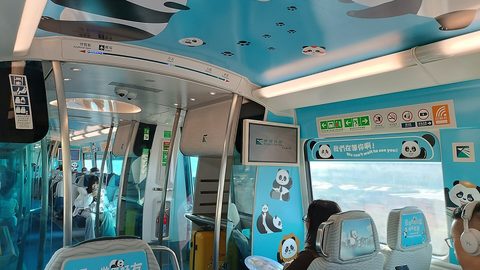 Hong Kong Flights, HKG Airport and the Airport Express
HKG to Central or Kowloon by Airport Express, taxi, or A-bus, plus how Hong Kong's in-town check-in makes it a strong flight hub.
Hong Kong Flights, HKG Airport and the Airport Express
HKG to Central or Kowloon by Airport Express, taxi, or A-bus, plus how Hong Kong's in-town check-in makes it a strong flight hub.
-
 Hong Kong Weekends Hiking Trails Island Day Trips and Visitor Itineraries
Hong Kong's best escapes are minutes from the MTR: ridge hikes with harbour views, car-free islands with seafood, and fishing villages on stilts reachable in under an hour.
Hong Kong Weekends Hiking Trails Island Day Trips and Visitor Itineraries
Hong Kong's best escapes are minutes from the MTR: ridge hikes with harbour views, car-free islands with seafood, and fishing villages on stilts reachable in under an hour.
-
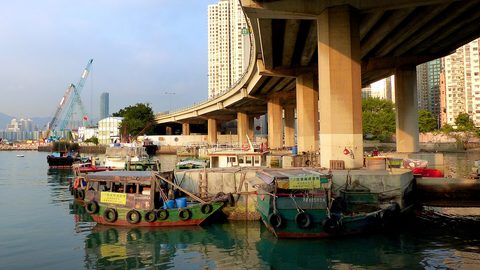 Best Time to Visit Hong Kong Weather Calendar and the Two Decisive Months
Hong Kong's best weather arrives from October to early December, with a secondary window in late March. Avoid Chinese New Year closures and the typhoon-prone summer.
Best Time to Visit Hong Kong Weather Calendar and the Two Decisive Months
Hong Kong's best weather arrives from October to early December, with a secondary window in late March. Avoid Chinese New Year closures and the typhoon-prone summer.
-
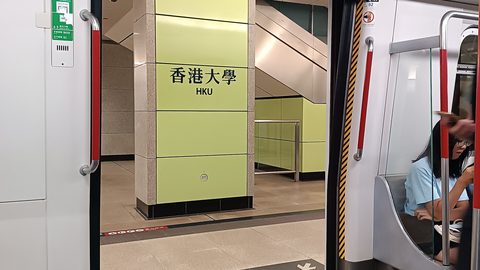 Getting Around Hong Kong MTR Octopus Minibuses and the Star Ferry
The MTR is the backbone of Hong Kong, but the Octopus card, minibuses, and exact-change rules on buses catch visitors out. Here is how to move without friction.
Getting Around Hong Kong MTR Octopus Minibuses and the Star Ferry
The MTR is the backbone of Hong Kong, but the Octopus card, minibuses, and exact-change rules on buses catch visitors out. Here is how to move without friction.
-
 Hong Kong Expat Cost of Living Broken Down by Lifestyle Tier
Real annual costs for expats in Hong Kong: budget, comfortable, and premium tiers covering rent by district, school fees, domestic helpers, and flights home.
Hong Kong Expat Cost of Living Broken Down by Lifestyle Tier
Real annual costs for expats in Hong Kong: budget, comfortable, and premium tiers covering rent by district, school fees, domestic helpers, and flights home.
-
 How to Set Up Your Finances When You First Arrive in Hong Kong
Open the right bank account, set up Octopus and FPS, and avoid costly transfer fees. A practical money setup guide for new arrivals in Hong Kong.
How to Set Up Your Finances When You First Arrive in Hong Kong
Open the right bank account, set up Octopus and FPS, and avoid costly transfer fees. A practical money setup guide for new arrivals in Hong Kong.
-
 Mobile Plans, SIM Cards and Connectivity Costs for Expats in Hong Kong
Compare 3HK, SmarTone, and CMHK mobile plans for Hong Kong expats. Monthly costs, data tiers, prepaid vs contract, and tips on staying connected abroad.
Mobile Plans, SIM Cards and Connectivity Costs for Expats in Hong Kong
Compare 3HK, SmarTone, and CMHK mobile plans for Hong Kong expats. Monthly costs, data tiers, prepaid vs contract, and tips on staying connected abroad.