Sai Kung: An Hour Each Way for a Different Hong Kong
Sai Kung offers village houses, boats, and country parks, but you will spend an hour each way getting to Central.
- Flag
-

- ISO code
- HK
- Population
- 140,000
- Currency
- HKD
- Timezone
- Asia/Hong_Kong
Sai Kung: an Hour Each Way for a Different Hong Kong
The common mistake is to assume Sai Kung is a weekend-only escape. Travellers treat it as a day trip, ride the green shuttle out for seafood and a hike, then return to the dense energy of Kowloon or Hong Kong Island by nightfall. What they miss is that Sai Kung functions as a permanent base for a specific kind of long stay: one that swaps the 40,000 to 90,000 HKD rent for a Mid-Levels apartment for a 35,000 to 65,000 HKD village house on three floors with a flat roof, direct trail access, and a boat pier a ten-minute walk from the front door. The trade is an hour of commute each way. The question is whether that hour is worth your days.
It is for anyone who treats outdoor access as a non-negotiable, not an occasional treat. Sai Kung town has no MTR station. The nearest is Choi Hung on the Kwun Tong line, eight kilometres away. The green minibus 1A costs 10.40 HKD and runs from Choi Hung to Sai Kung town in 25 to 30 minutes off peak. In weekday morning peak hours that becomes 40 to 55 minutes. Add the MTR ride from Choi Hung into Central and your total commute is roughly 55 to 65 minutes outside rush hour and 75 to 90 minutes when everyone else is heading the same direction. That is real time. You will measure your social life in what fits between 6:30 PM and bedtime.
Why the Village House Trade Works
But the payoff is a daily life that looks nothing like a Hong Kong Island existence. Village houses under the New Territories Small House Policy, introduced in 1972, grant indigenous male villagers the right to build up to three storeys with a footprint of 700 square feet per floor, capped at 8.23 metres total height, on flat roofs only. Those houses are the most visible architectural fact of Sai Kung's residential landscape. Expats lease whole houses or ground floors, paying 12,000 to 22,000 HKD for a single storey or 35,000 to 65,000 HKD for the full three floors. The village house is not a romantic cottage. It is a concrete box with tiles and bars on the windows. But it gives you a front door at ground level, a kitchen big enough to cook in, and a private outdoor space where you can dry clothes and let a dog run. Dogs are welcome on the Sai Kung Promenade, at cafe terraces, and on country park trails. For anyone with a pet or a need for quiet, that alone justifies the commute.
The Pier and the Beaches
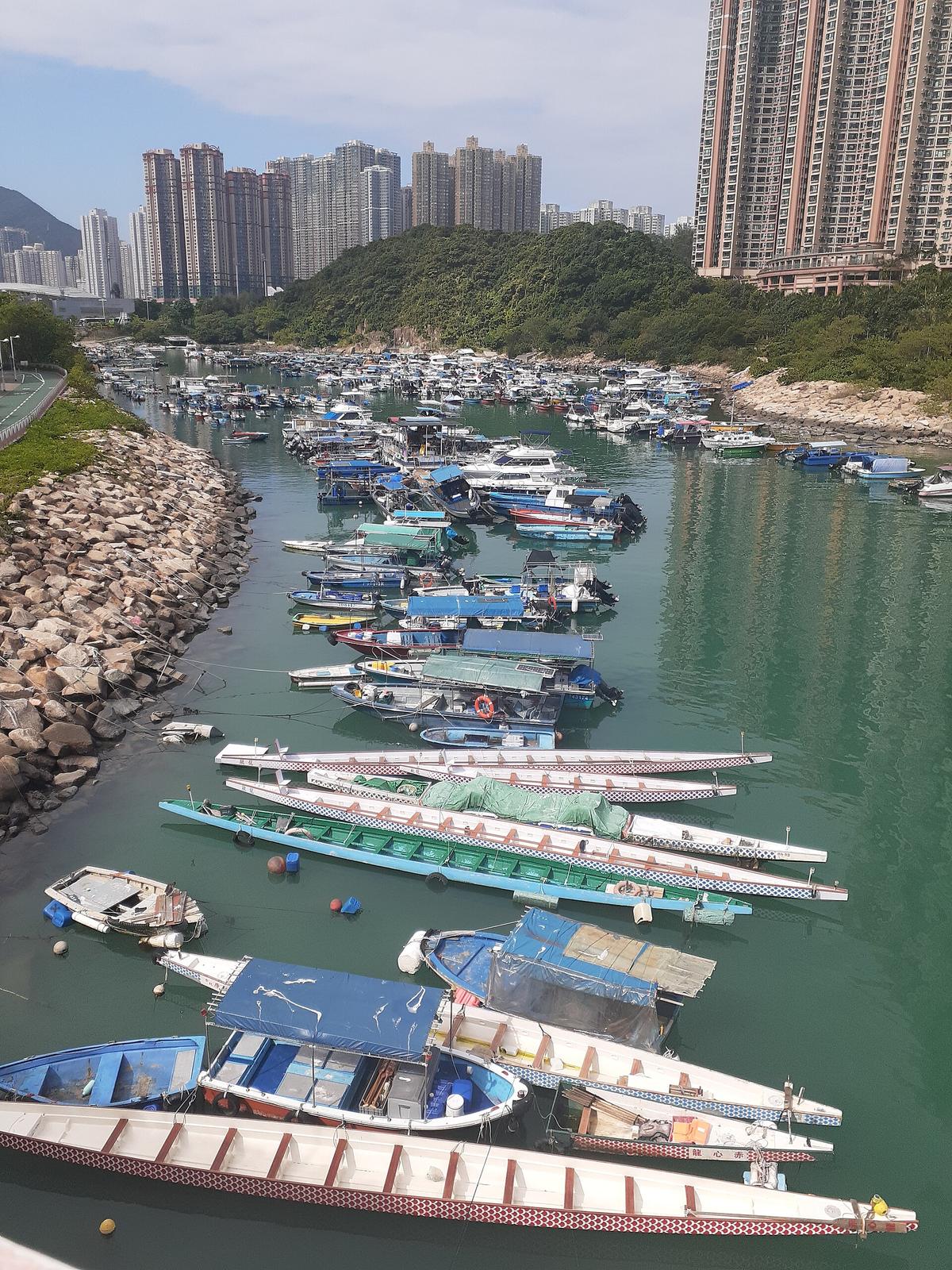
The shift in pace is immediate. Sai Kung town is a fishing village that grew into a New Town within the New Territories but refused to lose its edge. Sai Kung Public Pier, built in 1954 and reconstructed in 2003, is the centre of town life. Speedboats leave from the pier to Tai Long Wan, where four beaches sit inside Sai Kung East Country Park. The one way fare is 150 to 180 HKD per person. The alternative is a 45 to 50 minute hike from Sai Wan Pavilion. Both options put you on a stretch of sand that rivals any beach in Southeast Asia, without the flight or the resort prices.

The Commute: What You Trade and What You Gain
Master the Route Before You Commit
You cannot skip the maths. Sai Kung to Central by shuttle and MTR takes 55 to 65 minutes off peak and 75 to 90 minutes in peak hours. That is 75 to 90 minutes each way, five days a week, for anyone who works a standard schedule. If you work from home or freelance, the commute drops to an occasional errand and the calculation shifts entirely. The 1A minibus is the fastest option. The KMB 92 bus takes 40 to 60 minutes and is slower but more comfortable if you need a seat. Arrive at Choi Hung before 8:00 AM or after 10:00 AM to dodge the worst crush. The shuttle fills fast. Stand at the front of the queue and have your Octopus card out before you board.
Trail Access Without a Car
Once you accept the time cost, the density of what Sai Kung offers starts to feel disproportionate to its size. Sai Kung East Country Park covers 4,494 hectares and Sai Kung West Country Park covers 3,000 hectares. Both were designated in 1978. The MacLehose Trail Stages 1 through 3 pass through the district, totalling roughly 33 kilometres of marked trail. Stage 1 starts at Pak Tam Chung and Stage 2 includes the Tai Long Wan coastal section that photographers chase. You do not need a car to reach these trailheads from Sai Kung town. A fifteen minute taxi or a short bus ride puts you at the start. Compare that to the travel time required to reach a proper hike from Central or Tsim Sha Tsui and the hour-long commute from your village house starts to look like the efficient choice.
What You Eat and Where You Dock
Work the Seafood Street
The seafood street is Sai Kung Hoi Pong Square, a waterfront strip of 10 to 15 restaurants serving the same catch you see unloaded at the pier. Typhoon shelter crab, steamed garoupa, and salt and pepper squid dominate the menus. Dinner per head runs 250 to 600 HKD. The restaurants compete aggressively. Walk the full length of the street before choosing. The ones with the strongest queues have the best turnover and therefore the freshest seafood. Skip the set menus that promise a bargain; they use older stock.
Shop the Wet Market
Sai Kung Market at 20 Chan Man Street is the wet market where residents shop. If you are renting a village house with a kitchen, this market is your primary source for ingredients. The produce is cheaper than Hong Kong Island, the fish is still moving when you buy it, and the butchers will cut to order. Stock up on weekends because the selection thins by Monday.
Parking Reality Check
Sai Kung's car ownership rate is higher than the Hong Kong average because public transport does not serve the outlying village houses. If you live outside the town centre, a car is essential. Parking in town is limited and the Sai Kung Waterfront Car Park on Wai Man Road charges 14 to 22 HKD per hour. If you can walk to the shuttle stop, skip the car altogether.

When to Come and When to Stay Away
Pick Your Season
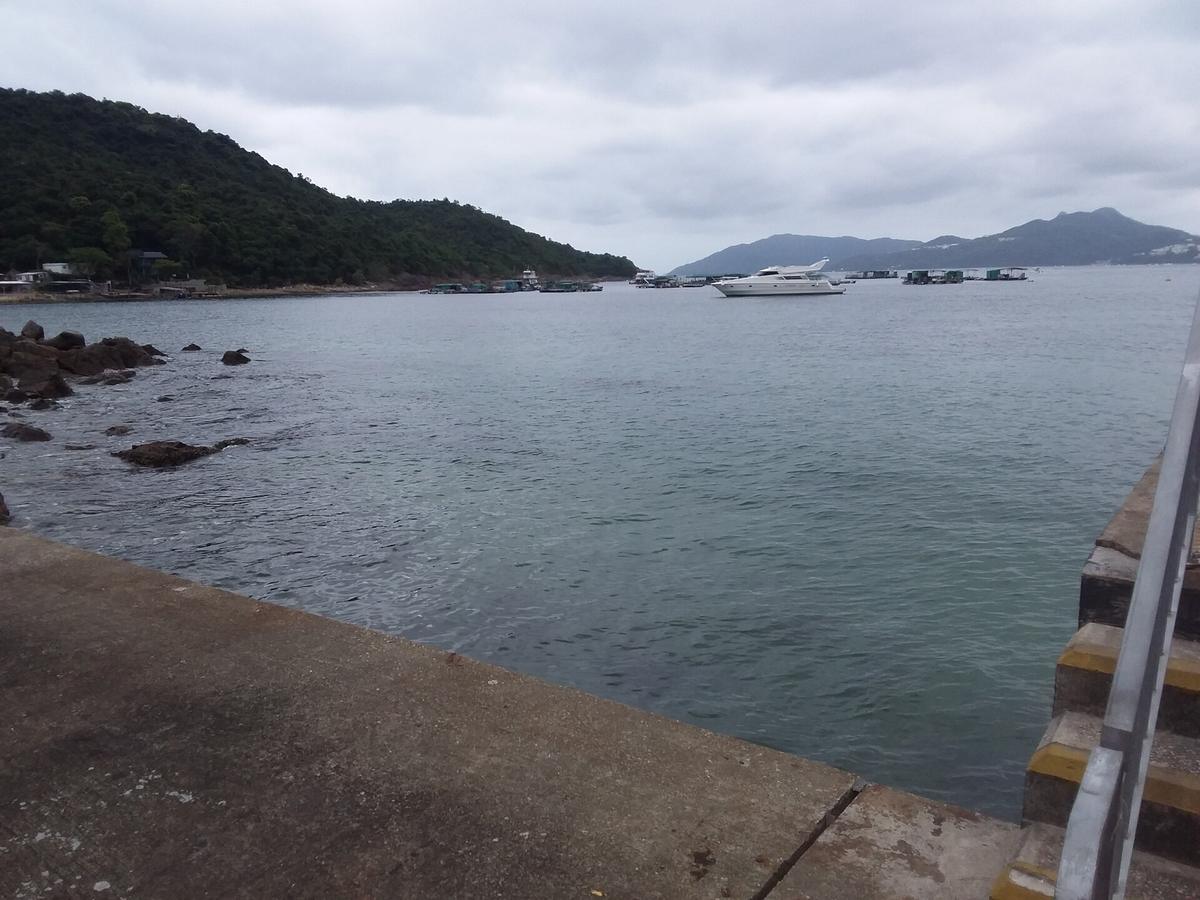
October to early December is the best window: clear skies, low humidity, and temperatures that make hiking a pleasure rather than a survival exercise. Late March to April is the second choice, milder and drier before the summer rains. Avoid July through September entirely unless you enjoy heat, humidity, and the risk of typhoon disruption. Avoid Chinese New Year, when many small restaurants in Sai Kung close for a week and the shuttle queues double. Avoid the first week of October and early May, when mainland Chinese public holidays flood every scenic spot in Hong Kong including the Sai Kung trails.
How Long to Stay
The minimum stay for Sai Kung as a base is four full days: one day on Hong Kong Island, one day in Kowloon, one day for a hike or island trip, and one flex day for food and unexpected detours. Shorter than that and the commute cost eats too large a share of your waking hours. Longer than that and Sai Kung starts to feel like home, which is exactly the point.
Common Questions
Is there an MTR station in Sai Kung town?
No. The nearest MTR station is Choi Hung on the Kwun Tong Line, approximately 8 kilometres away. You reach Sai Kung town by green minibus 1A or KMB bus 92 from Choi Hung.
How long is the commute from Sai Kung to Central?
Off peak, the combined shuttle and MTR journey takes 55 to 65 minutes. In peak hours, it runs 75 to 90 minutes each way.
How much does a village house rent for in Sai Kung?
A ground floor unit of 700 square feet rents for 12,000 to 22,000 HKD per month. A full three storey house rents for 35,000 to 65,000 HKD per month.
Can I get to Tai Long Wan without hiking?
Yes. Speedboats leave from Sai Kung Public Pier to Tai Long Wan. The one way fare is 150 to 180 HKD per person.
Is Sai Kung dog friendly?
Yes. Dogs are welcome on the Sai Kung Promenade, at outdoor cafe terraces, and on country park trails. Sai Kung has a higher proportion of expatriate families than the Hong Kong average, so dog friendly spaces are the norm rather than the exception.
Do I need a car to live in Sai Kung?
If you live outside the town centre, a car is essential. If you live within walking distance of the shuttle stop, you can manage without one.
What is the best time of year for Sai Kung?
October to early December offers clear skies, low humidity, and comfortable temperatures for hiking. Late March to April is the second best window.
Read next
-
 Living in Sai Kung Village Houses Boats and an Hour Each Way
The honest truth about renting in Sai Kung, from village houses with gardens to town flats, and the hour-plus commute to Central each way.
Living in Sai Kung Village Houses Boats and an Hour Each Way
The honest truth about renting in Sai Kung, from village houses with gardens to town flats, and the hour-plus commute to Central each way.
-
 Eating in Sai Kung the Seafood Street and the Town
A local's guide to eating in Sai Kung town, skipping the tourist seafood street for the dai pai dongs, roast meat shops, and hidden back-lane cafes.
Eating in Sai Kung the Seafood Street and the Town
A local's guide to eating in Sai Kung town, skipping the tourist seafood street for the dai pai dongs, roast meat shops, and hidden back-lane cafes.
-
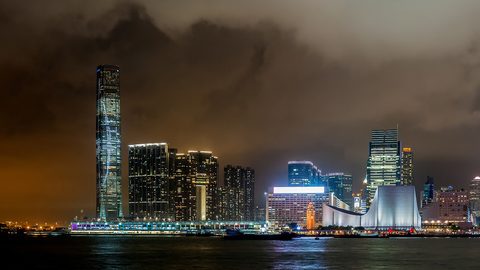 Hong Kong First Arrival Guide From Airport to Understanding the City
Hong Kong rewards those who treat it as a series of distinct neighbourhoods rather than a single city centre. Here is the geography and rhythm every newcomer needs.
Hong Kong First Arrival Guide From Airport to Understanding the City
Hong Kong rewards those who treat it as a series of distinct neighbourhoods rather than a single city centre. Here is the geography and rhythm every newcomer needs.
-
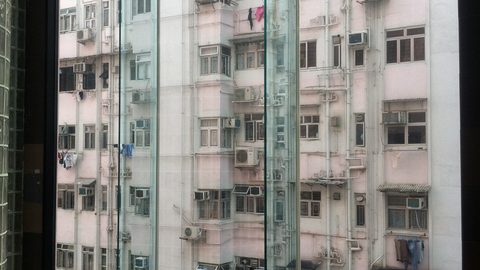 Hong Kong Hotels and Serviced Apartments Before a Lease
Serviced apartments in Wan Chai, Kennedy Town, and Sai Ying Pun compared for the six weeks before you sign a Hong Kong lease.
Hong Kong Hotels and Serviced Apartments Before a Lease
Serviced apartments in Wan Chai, Kennedy Town, and Sai Ying Pun compared for the six weeks before you sign a Hong Kong lease.
-
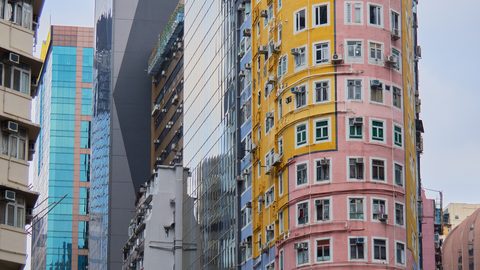 Where to Stay in Hong Kong a Shortlist of Districts Compared Honestly
Hong Kong districts vary wildly in rent, space, and commute reality. This shortlist compares where to stay based on what you actually get for your money.
Where to Stay in Hong Kong a Shortlist of Districts Compared Honestly
Hong Kong districts vary wildly in rent, space, and commute reality. This shortlist compares where to stay based on what you actually get for your money.
-
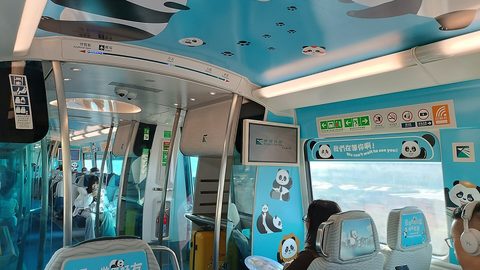 Hong Kong Flights, HKG Airport and the Airport Express
HKG to Central or Kowloon by Airport Express, taxi, or A-bus, plus how Hong Kong's in-town check-in makes it a strong flight hub.
Hong Kong Flights, HKG Airport and the Airport Express
HKG to Central or Kowloon by Airport Express, taxi, or A-bus, plus how Hong Kong's in-town check-in makes it a strong flight hub.
-
 Hong Kong Expat Cost of Living Broken Down by Lifestyle Tier
Real annual costs for expats in Hong Kong: budget, comfortable, and premium tiers covering rent by district, school fees, domestic helpers, and flights home.
Hong Kong Expat Cost of Living Broken Down by Lifestyle Tier
Real annual costs for expats in Hong Kong: budget, comfortable, and premium tiers covering rent by district, school fees, domestic helpers, and flights home.
-
 How to Set Up Your Finances When You First Arrive in Hong Kong
Open the right bank account, set up Octopus and FPS, and avoid costly transfer fees. A practical money setup guide for new arrivals in Hong Kong.
How to Set Up Your Finances When You First Arrive in Hong Kong
Open the right bank account, set up Octopus and FPS, and avoid costly transfer fees. A practical money setup guide for new arrivals in Hong Kong.
-
 Mobile Plans, SIM Cards and Connectivity Costs for Expats in Hong Kong
Compare 3HK, SmarTone, and CMHK mobile plans for Hong Kong expats. Monthly costs, data tiers, prepaid vs contract, and tips on staying connected abroad.
Mobile Plans, SIM Cards and Connectivity Costs for Expats in Hong Kong
Compare 3HK, SmarTone, and CMHK mobile plans for Hong Kong expats. Monthly costs, data tiers, prepaid vs contract, and tips on staying connected abroad.