Sai Ying Pun: Steep Streets, High Street Cafes, and the Island Line
Sai Ying Pun mixes old dried seafood wholesalers with new-wave cafes on steep side streets, transformed by the Island Line extension into a walkable food neighbourhood.
- Flag
-
- ISO code
- HK
Sai Ying Pun: Steep Streets, High Street Cafes, and the Island Line
At 08:30 on a Tuesday morning, a delivery man in rubber sandals balances three cardboard boxes of dried scallop on his shoulder, stepping around a woman walking a Cavoodle toward Winstons Coffee. That ten second collision of two distinct economies is Sai Ying Pun in 2026.
The Island Line extension arrived on 29 March 2015. Before that, this uphill wedge of western Hong Kong Island was a quiet backwater. Dried seafood wholesalers occupied the ground floors of 1950s tong lau walk ups on Des Voeux Road West and Ko Shing Street. Residents were mostly older, rents were low, and the only reason to climb the punishing gradient of High Street or Third Street was because you lived there. Four minutes on the MTR to Central changed all of that.
What makes Sai Ying Pun different from Sheung Wan next door is that Sheung Wan gentrified in the 2000s around Hollywood Road and the escalator. Sai Ying Pun gentrified in the 2010s around a train station. Sheung Wan still has antique dealers and hip furniture showrooms. Sai Ying Pun has dried seafood stalls on the flat road and espresso bars climbing the slopes above them. The two places sit next to each other on the same rail line, but they are not the same. Sheung Wan is where you browse. Sai Ying Pun is where you walk uphill until your thighs burn, then eat a sourdough croissant as a reward.
Every café up these slopes tells a piece of the story: where to aim that walk, what changed when the train arrived, and why the tension between the old and new makes this neighbourhood worth a slow afternoon.

What the Train Did to the Hill
The Commute That Rewrote the Rents
Sai Ying Pun station is two stops from Central. You leave Central at 08:00, you are on High Street by 08:07. For professionals aged 25 to 40 priced out of Sheung Wan, that four minute time cost against a lower rent per square foot was an obvious trade. The Rating and Valuation Department published the gap in 2025. A 350 square foot flat in a 1970s tong lau on Third Street cost far less than a comparable unit in Central. The same budget that buys a walk up on the fourth floor in Sai Ying Pun buys a studio with no kitchen in Sheung Wan.
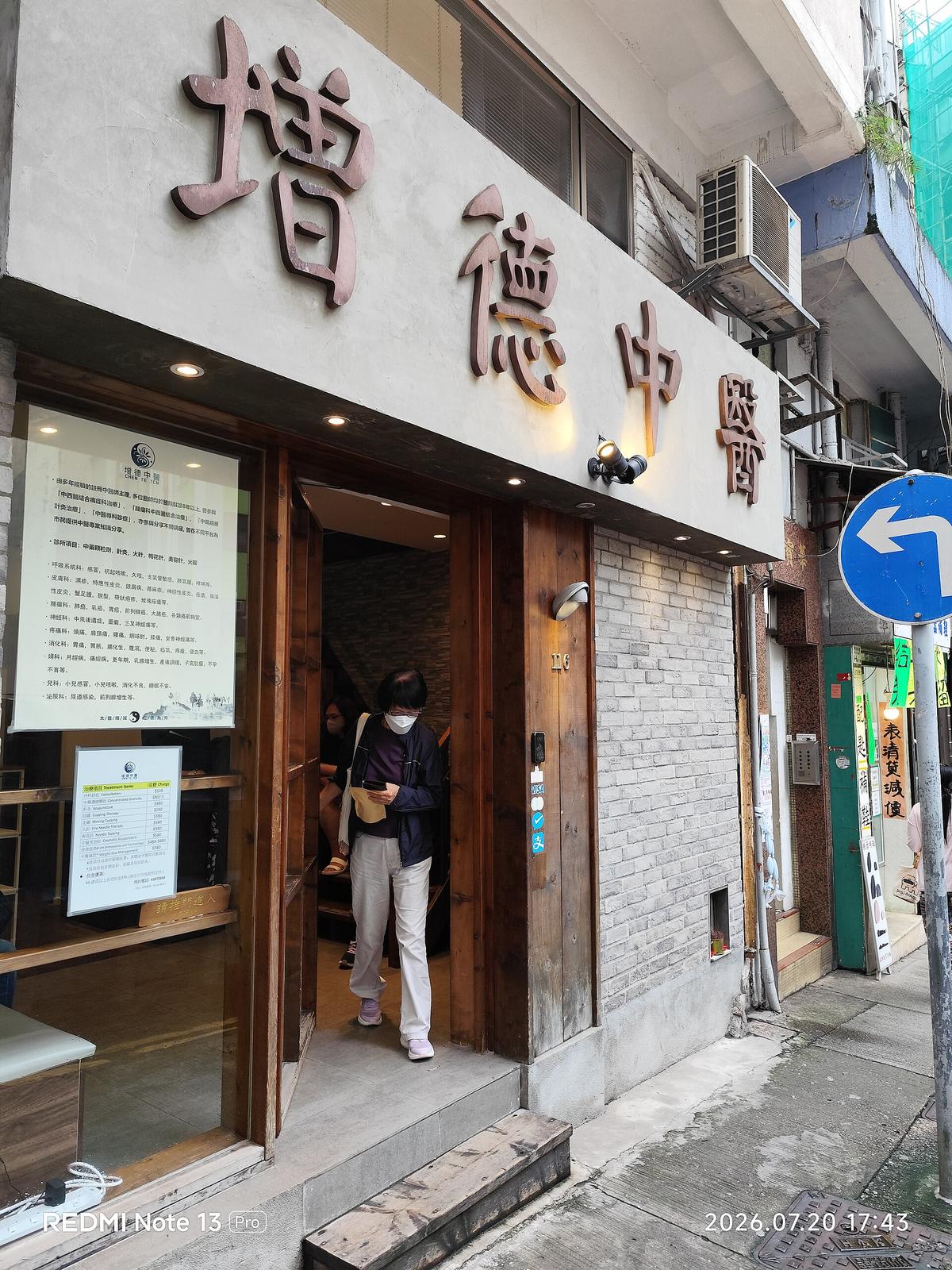
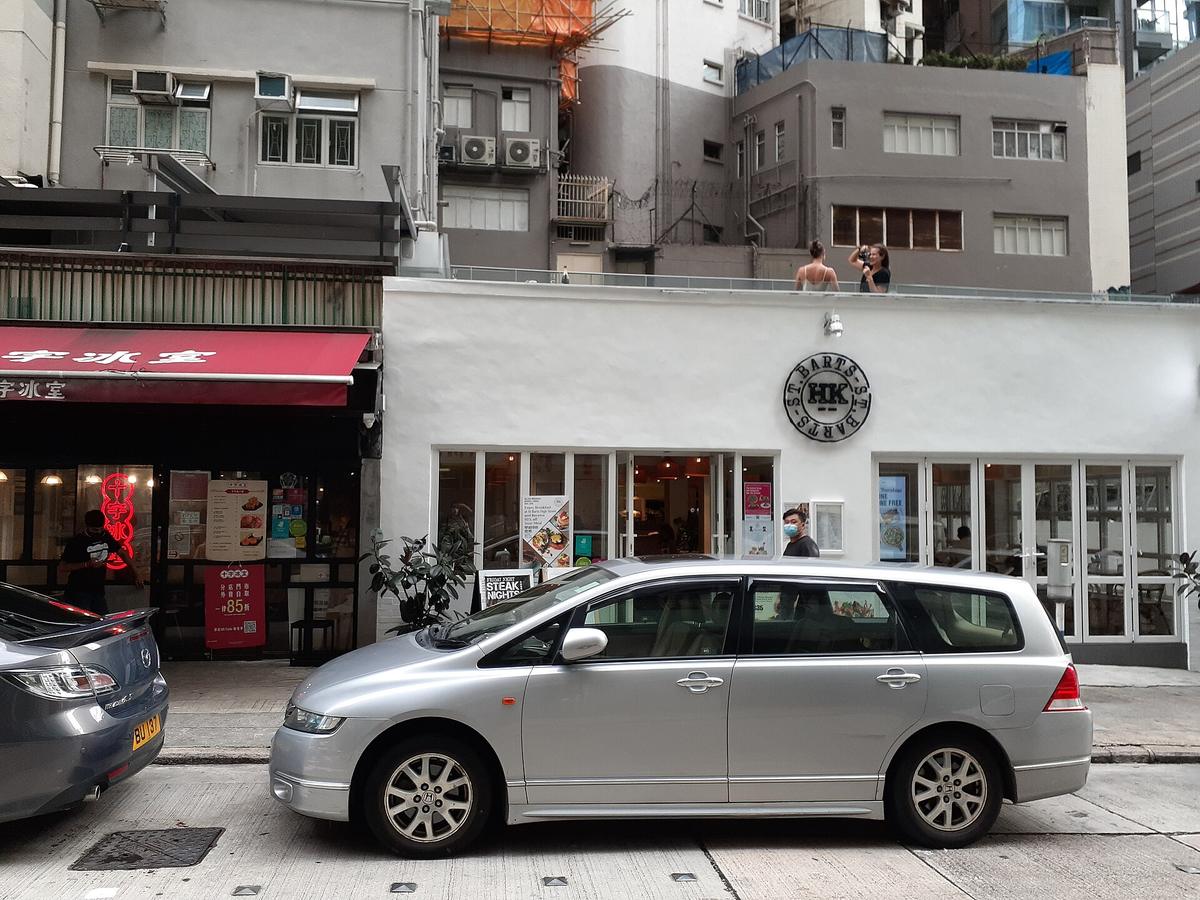
The newcomers arrived fast. Between 2015 and 2020, cafes replaced hardware stores on High Street. Winstons Coffee opened, then Coffee by Zion, then So.High Coffee Bar. Fineprint landed on Third Street with its tomato and anchovy sourdough. Wako Cafe followed. These are not tourist traps. They are neighbourhood stops where locals sit on high stools against tiled walls and drink flat whites from ceramic cups. The coffee is good. The crowd is mixed. An elderly man in a singlet might be eating congee from a plastic container next to a woman in tech tapping a laptop.
Where the Old Sai Ying Pun Held Its Ground
But the old Sai Ying Pun did not vanish. It retreated two blocks south. Walk along Des Voeux Road West between Queen Street and Wilmer Street. The dried seafood shops remain, their sidewalk displays of abalone, sea cucumber, shark fin, and dried scallop still dominating the pavement. Ko Shing Street, the secondary spine, smells of salt and umami. These wholesalers supply the restaurants in Central and Wan Chai. They are not going anywhere. The lease structures on these ground floor units are decades old and family held. The economics of dried seafood, with its high value per square foot and decades old customer relationships, beats cafe margins.
How to Walk the Neighbourhood in One Afternoon
Start Low, Aim High
Start at the station. Exit at Sai Ying Pun station via exit B3 onto Third Street. Turn left and walk uphill. Third Street rises from sea level at its western end to roughly 70 metres at its eastern end. That is a serious climb. Take it slow.
At the top, turn right onto High Street. This is the cafe spine. Fineprint is at 87 Third Street. Winstons Coffee is at 38 High Street. Coffee by Zion is at 44 High Street. So.High Coffee Bar is at 78 High Street. Pick one, order a long black, and sit by the window. Watch the pavement. You will see delivery scooters threading between elderly residents carrying shopping bags and young parents pushing strollers. The mix is the point.
Three Detours Before You Descend
- Skip the famous roast goose in this area. The two or three cha chaan teng that survived the gentrification are still there and perfectly good for a quick lunch, but the standout eating is at the new wave of small restaurants on Third Street and Centre Street. Look for places with handwritten specials on chalkboards and queues of local office workers at 13:00.
- Take a side street detour to see the walk up housing stock. Turn onto Pokfield Path or Ching Wah Lane. The tong lau here are four to six storeys, built in the 1950s to 1970s. Units are 300 to 500 square feet. The 3rd floor is the sweet spot for liveability. The 4th floor and above in a building with no lift commands a significant discount in rent. You can see the stairwells from the street, the washing lines, the air conditioning units dripping onto the pavement. This is where the people who arrived after 2015 live.
- End at the water. Walk down Centre Street or Queen Street West to the waterfront promenade at Sai Ying Pun Beach. It is a working harbour, not a swimming beach. The view faces west toward Kennedy Town and across the channel to Kowloon. Sit on one of the concrete benches and watch the container ships move past.
Timing and Light
The whole loop takes about two hours at a slow pace, including a coffee stop. It covers the full gradient of the neighbourhood, from the flat seafood wholesale zone to the upper cafe ridge. Start no later than 14:00. By 16:00 the sun drops behind the buildings on High Street and the light goes flat.

The One Thing That Still Feels Unresolved
Here is the honest caveat. Sai Ying Pun is not a neighbourhood that has finished its transition. It is a neighbourhood caught mid shift. The flat streets on Des Voeux Road West still feel like old Hong Kong, with narrow pavements blocked by drying squid and pallets of salted fish. The upper streets feel like a young professional enclave that could be in Melbourne or London on a Sunday morning. The two zones do not blend. They overlap, but they do not merge. That tension is what makes the walk interesting. But it also means that if you come here expecting a polished, coherent district like Sheung Wan, you will be confused. If you come expecting a raw, working class enclave unchanged since 1990, you will be disappointed. The neighbourhood works best if you accept that it is a place in the middle of something. The dried seafood wholesalers are not leaving. The cafe owners are not leaving. They are sharing a sidewalk, and that sidewalk is the whole point.
Common Questions
Is Sai Ying Pun worth visiting if I only have one day in Hong Kong?
Only if you have already seen Central, Sheung Wan, and the Peak. It is a half day detour for urban explorers, not a first time essential. Combine it with a walk to Kennedy Town along the waterfront for a full western Hong Kong Island afternoon.
How do I get to Sai Ying Pun from Central?
Take the Island Line from Central station. It is two stops, four minutes. Exit at Sai Ying Pun station. Exit B3 puts you on Third Street. Exit A2 puts you on Des Voeux Road West near the dried seafood zone.
What time do the cafes open and close?
Most open between 07:30 and 08:00 on weekdays, 08:00 to 09:00 on weekends. They close between 17:00 and 18:00. Evening dining is at the small restaurants on Third Street and Centre Street, not the coffee bars.
Can I buy dried seafood here as a tourist?
Yes, but do not expect English labels or fixed prices. Most wholesalers sell by weight and expect cash. Shop on Des Voeux Road West between Queen and Wilmer Streets. Dried scallops and abalone are the most common buys.
Read next
-
 Living in Sai Ying Pun Hong Kong High Street and the Steep Middle Ground
A practical look at renting in Sai Ying Pun, from the quieter High Street flats to the busy lower slopes near Queen's Road, with real square footage costs and commute times.
Living in Sai Ying Pun Hong Kong High Street and the Steep Middle Ground
A practical look at renting in Sai Ying Pun, from the quieter High Street flats to the busy lower slopes near Queen's Road, with real square footage costs and commute times.
-
 Eating in Sai Ying Pun High Street Cafes and the Local Streets Below
Where to eat in Sai Ying Pun, from specialty coffee and brunch on High Street to the roast meat shops and dai pai dong near the Centre Street wet market.
Eating in Sai Ying Pun High Street Cafes and the Local Streets Below
Where to eat in Sai Ying Pun, from specialty coffee and brunch on High Street to the roast meat shops and dai pai dong near the Centre Street wet market.
-
 Hong Kong First Arrival Guide From Airport to Understanding the City
Hong Kong rewards those who treat it as a series of distinct neighbourhoods rather than a single city centre. Here is the geography and rhythm every newcomer needs.
Hong Kong First Arrival Guide From Airport to Understanding the City
Hong Kong rewards those who treat it as a series of distinct neighbourhoods rather than a single city centre. Here is the geography and rhythm every newcomer needs.
-
 Hong Kong Hotels and Serviced Apartments Before a Lease
Serviced apartments in Wan Chai, Kennedy Town, and Sai Ying Pun compared for the six weeks before you sign a Hong Kong lease.
Hong Kong Hotels and Serviced Apartments Before a Lease
Serviced apartments in Wan Chai, Kennedy Town, and Sai Ying Pun compared for the six weeks before you sign a Hong Kong lease.
-
 Where to Stay in Hong Kong a Shortlist of Districts Compared Honestly
Hong Kong districts vary wildly in rent, space, and commute reality. This shortlist compares where to stay based on what you actually get for your money.
Where to Stay in Hong Kong a Shortlist of Districts Compared Honestly
Hong Kong districts vary wildly in rent, space, and commute reality. This shortlist compares where to stay based on what you actually get for your money.
-
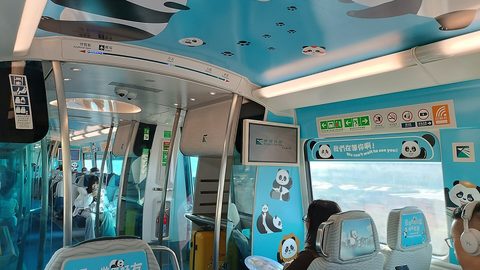 Hong Kong Flights, HKG Airport and the Airport Express
HKG to Central or Kowloon by Airport Express, taxi, or A-bus, plus how Hong Kong's in-town check-in makes it a strong flight hub.
Hong Kong Flights, HKG Airport and the Airport Express
HKG to Central or Kowloon by Airport Express, taxi, or A-bus, plus how Hong Kong's in-town check-in makes it a strong flight hub.
-
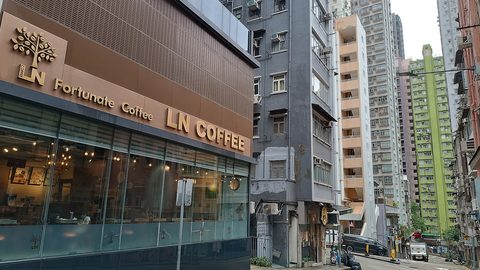 Sai Ying Pun vs Kennedy Town Hong Kong Two Stops Apart at the Island's Value End
Sai Ying Pun and Kennedy Town sit two stops apart at Hong Kong Island's western end: one offers steep cafe streets and density, the other a waterfront promenade and sunset calm.
Sai Ying Pun vs Kennedy Town Hong Kong Two Stops Apart at the Island's Value End
Sai Ying Pun and Kennedy Town sit two stops apart at Hong Kong Island's western end: one offers steep cafe streets and density, the other a waterfront promenade and sunset calm.
-
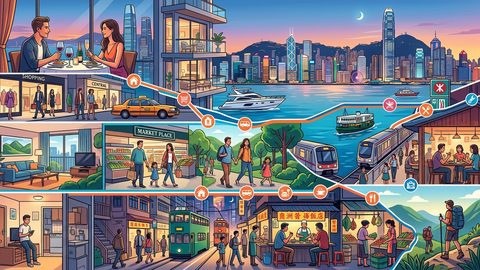 Hong Kong Expat Cost of Living Broken Down by Lifestyle Tier
Real annual costs for expats in Hong Kong: budget, comfortable, and premium tiers covering rent by district, school fees, domestic helpers, and flights home.
Hong Kong Expat Cost of Living Broken Down by Lifestyle Tier
Real annual costs for expats in Hong Kong: budget, comfortable, and premium tiers covering rent by district, school fees, domestic helpers, and flights home.
-
 How to Set Up Your Finances When You First Arrive in Hong Kong
Open the right bank account, set up Octopus and FPS, and avoid costly transfer fees. A practical money setup guide for new arrivals in Hong Kong.
How to Set Up Your Finances When You First Arrive in Hong Kong
Open the right bank account, set up Octopus and FPS, and avoid costly transfer fees. A practical money setup guide for new arrivals in Hong Kong.