Finding the Quiet Hillside Corners of Ho Man Tin, Kowloon
Ho Man Tin sits on the hillside above Mong Kok, a quiet residential pocket where wide streets, King's Park, and local dai pai dong offer a break from Kowloon's intensity.
- Flag
-
- ISO code
- HK
Finding the Quiet Hillside Corners of Ho Man Tin, Kowloon
Mong Kok overwhelms the senses within ten minutes. The neon, the crowds at Ladies Market, the wall of Cantonese chatter, the heat rising off Nathan Road. You need an exit. Ho Man Tin is that exit, a residential hillside neighbourhood uphill from the chaos. It gives you the same Kowloon location, the same access to street food and markets, but layered over a quieter older version of Hong Kong where people live rather than shop.
Take the MTR one stop from Mong Kok East to Ho Man Tin. Step out onto the elevated walkway and the noise drops by half. The Tuen Ma Line station, opened in 2016, made this possible. Before that, Ho Man Tin was a bus and minibus neighbourhood, harder to reach for anyone not living here. The train changed that. You are now 18 to 22 minutes from Central, 5 to 7 minutes from Tsim Sha Tsui, two minutes from Kowloon Tong. The neighbourhood stays quiet because the station serves residents, not tourists. That is the point.

The Gradient: Climbing Away from Density
How the Hill Works
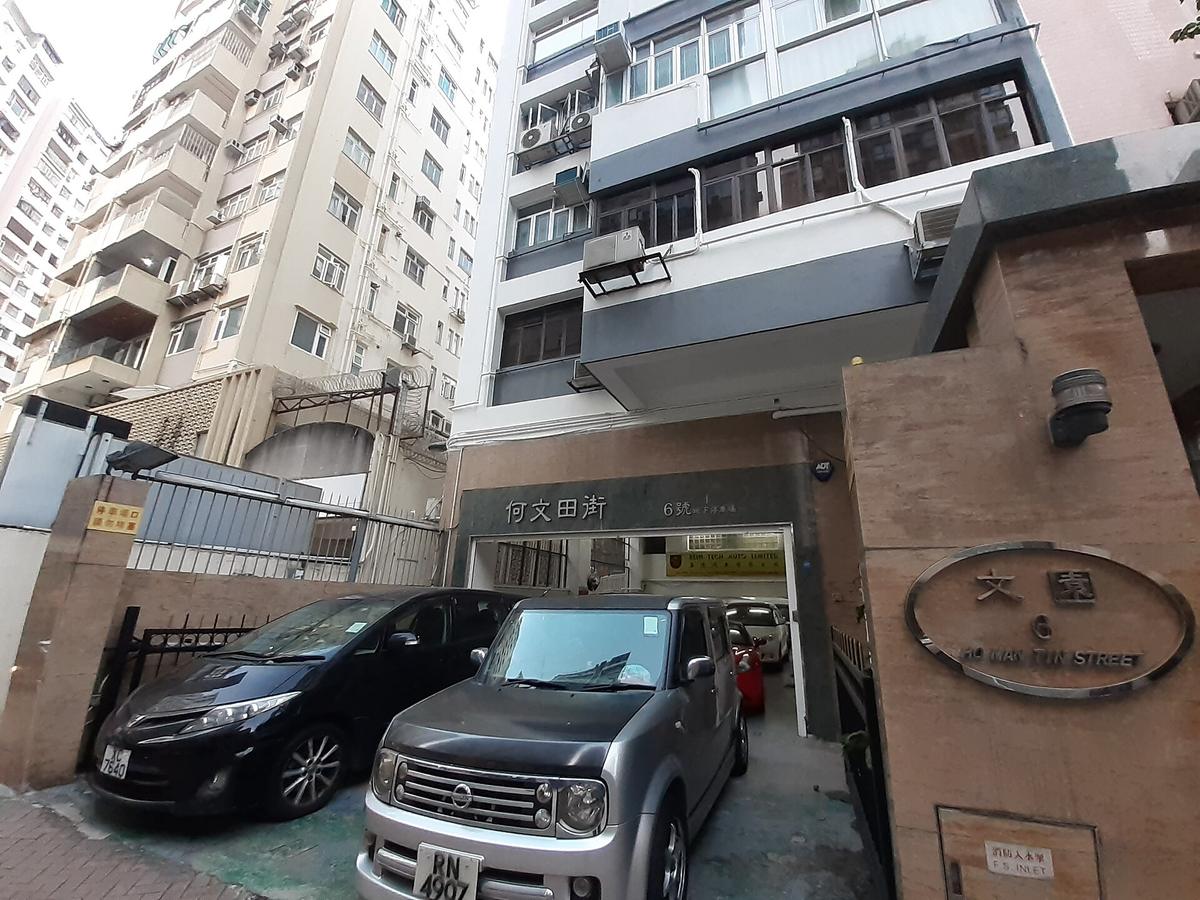
Ho Man Tin rises from Waterloo Road at roughly 20 metres above sea level to 90 metres at its northern edge. That gradient is the mechanism. Every step uphill from Argyle Street or Princess Margaret Road removes you from the street-level intensity of Mong Kok. The first signs are the trees. Waterloo Road has them, but the side streets off it have more. Kadoorie Avenue and Wylie Road, climbing toward Kowloon Tong, feel like a different city entirely: low rise blocks, older walk ups with terrazzo floors, shrubs overhanging garden walls.
King's Park
King's Park sits on the southern slope, a green ridge between Ho Man Tin and Yau Ma Tei. It is not a landscaped garden. It is a working park with a hockey ground, the Kowloon Cricket Club, and open grass where local families set up picnics on Sunday afternoons. The elevation runs 40 to 65 metres, enough to catch a breeze. Walk through it on a weekday morning and you will see dog walkers and joggers, not selfie sticks. The park is the pressure release valve within the pressure release valve.
Who Lives Here
The housing stock tells the story. Private estates like One Homantin, Homantin Hillside, and Celestial Heights sit alongside older public housing at Oi Man Estate and Ho Man Tin Estate. The newer private blocks give 700 to 1,200 square foot three bedroom flats. The older single block walk ups give 350 to 600 square feet. The trade off is clear. Families who choose Ho Man Tin get 15 to 25 percent lower price per square foot than equivalent flats in Kowloon Tong. They give up access to the low density exclusive enclaves north of the border. Most consider that a fair exchange.
Eating Where Residents Eat, Not Where Tourists Queue
Two Local Stops Worth Your Time
Ho Man Tin has no famous restaurants and that is the recommendation. The food here serves people who live above the shops. Skip any place with a queue of out of towners. Look for the cha chaan teng on a side street off Waterloo Road where the menu is in Chinese only and the milk tea arrives in a thick ceramic cup. Order a pineapple bun with butter and a bowl of wonton noodle soup. The wontons will have whole prawns and the egg noodles will have spring. That is the standard here because the regulars would not accept less.
For dinner, find a claypot rice place that cooks over charcoal. Lap cheong, the sweet Chinese sausage, renders its fat into the rice at the bottom of the pot. The scorched layer, the guo ba, is the reason to order it. Do this in winter. The restaurant will have the door open to the street and the charcoal smoke will mix with the cool air. That is Hong Kong dining without the queue.
No food blogger has built a following in Ho Man Tin. The neighbourhood does not need one. The eateries that survive here survive on repeat local business. That means the dim sum at a morning teahouse will be fresh, the har gow translucent, the siu mai dense with pork and shrimp. The menu will be an order sheet with photocopied Chinese characters. Point at what the table next to you is eating. That method has never failed.
How to Use Ho Man Tin Without Moving in
Your One Day Route
Arrive at Ho Man Tin station at 09:00. Exit toward Oi Man Estate. Walk east along Chung Hau Street. The morning market will be set up on the pavement, old women selling greens and live fish. Buy nothing. Watch. This is how Hong Kong shops for dinner.
Walk uphill toward King's Park. Enter from the Gascoigne Road entrance. Cross the park toward the Kowloon Cricket Club. You will see the towers of Mong Kok to the west and the greener slopes of Kowloon Tong to the north. Sit on the grass for ten minutes. Then descend back toward Ho Man Tin for a late breakfast or an early lunch.
After lunch, take the MTR two minutes to Kowloon Tong. Walk through Festival Walk, the shopping mall that functions as the neighbourhood living room. Then take the East Rail Line one stop back toward Mong Kok East and walk into the density you escaped this morning. You have the address now. You know where to return when you need quiet.
Who Should Skip Ho Man Tin
Skip Ho Man Tin if you are in Hong Kong for three nights and want to see the Peak, the Big Buddha, and the Star Ferry. You do not have time for a residential slow down. Skip it if you are travelling with children who need playgrounds and supervised play areas. King's Park has grass but no dedicated children's facilities. Skip it if your idea of local food involves a photographed tasting menu with a wine pairing. Ho Man Tin's kitchens do not cater to that budget or that expectation.

| Metric | Ho Man Tin | Kowloon Tong (Non-Luxury) |
|---|---|---|
| Average private domestic rent per sq ft (gross) | HKD 35–45 | HKD 40–55 |
| Average private domestic sale price per sq ft (gross) | HKD 14,000–19,000 | HKD 16,000–22,000 |
| Typical 3-bedroom flat size (sq ft) | 700–1,200 | 800–1,500 |
| Typical 2-bedroom flat size (sq ft) | 450–700 | 500–900 |
| Price advantage for choosing Ho Man Tin | 15–25% lower per sq ft | — |
An Honest Caveat About Ho Man Tin
Ho Man Tin is not pretty. It does not have a temple, a harbour view, or a historic market. What it has is space, quiet, and the mundane dignity of a place where people raise children and buy vegetables. If you need a break from the intense sensory load of Kowloon, it works. If you are chasing a photo opportunity, it will disappoint. Treat it as functional relief, not a destination, and it will serve you better than any curated attraction.
Common Questions
Is Ho Man Tin worth visiting on a first trip to Hong Kong?
Only if you have four or more days. On a shorter trip, prioritise the core sights. Ho Man Tin rewards the repeat visitor who already knows what Mong Kok feels like and wants the counterpoint.
Which MTR exit should I use for the quietest streets?
Exit A toward Oi Man Estate for older public housing and local markets. Exit B toward One Homantin for the newer private estates and the walk up toward King's Park.
Can I walk from Mong Kok to Ho Man Tin?
Yes. Cross Argyle Street and walk north up any side street. The gradient increases immediately. It is a 15 to 20 minute walk to the Ho Man Tin MTR station. Do this once to understand the elevation change.
What is the best time of day to visit Ho Man Tin?
Morning, before 10:00. The market activity is high, the temperature is manageable, and the school run gives the streets a purposeful energy. Late afternoon is second best for King's Park in golden light.
Are there any cheap eats in Ho Man Tin?
Yes. A bowl of wonton noodles costs between 35 and 50 HKD at a local cha chaan teng. A claypot rice dinner runs 60 to 90 HKD. Prices are lower than in Tsim Sha Tsui or Central because the rent is lower.
Read next
-
 Living in Ho Man Tin Hong Kong Hillside Space and the Quiet Premium
Renting in Ho Man Tin means paying for quiet hillside space and larger flats, with the MTR now connecting this sleepy premium pocket to the rest of Kowloon.
Living in Ho Man Tin Hong Kong Hillside Space and the Quiet Premium
Renting in Ho Man Tin means paying for quiet hillside space and larger flats, with the MTR now connecting this sleepy premium pocket to the rest of Kowloon.
-
 Eating in Ho Man Tin the Local Streets and the Market Below
The best local eating in Ho Man Tin is found around its wet market and on Fat Kwong Street, where cha chaan teng and noodle shops serve the neighbourhood.
Eating in Ho Man Tin the Local Streets and the Market Below
The best local eating in Ho Man Tin is found around its wet market and on Fat Kwong Street, where cha chaan teng and noodle shops serve the neighbourhood.
-
 Hong Kong First Arrival Guide From Airport to Understanding the City
Hong Kong rewards those who treat it as a series of distinct neighbourhoods rather than a single city centre. Here is the geography and rhythm every newcomer needs.
Hong Kong First Arrival Guide From Airport to Understanding the City
Hong Kong rewards those who treat it as a series of distinct neighbourhoods rather than a single city centre. Here is the geography and rhythm every newcomer needs.
-
 Hong Kong Hotels and Serviced Apartments Before a Lease
Serviced apartments in Wan Chai, Kennedy Town, and Sai Ying Pun compared for the six weeks before you sign a Hong Kong lease.
Hong Kong Hotels and Serviced Apartments Before a Lease
Serviced apartments in Wan Chai, Kennedy Town, and Sai Ying Pun compared for the six weeks before you sign a Hong Kong lease.
-
 Where to Stay in Hong Kong a Shortlist of Districts Compared Honestly
Hong Kong districts vary wildly in rent, space, and commute reality. This shortlist compares where to stay based on what you actually get for your money.
Where to Stay in Hong Kong a Shortlist of Districts Compared Honestly
Hong Kong districts vary wildly in rent, space, and commute reality. This shortlist compares where to stay based on what you actually get for your money.
-
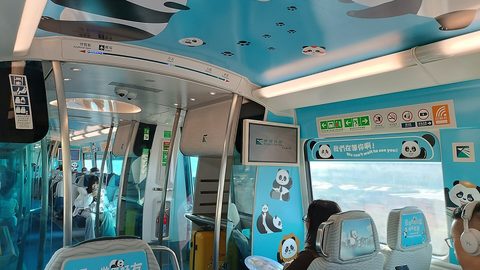 Hong Kong Flights, HKG Airport and the Airport Express
HKG to Central or Kowloon by Airport Express, taxi, or A-bus, plus how Hong Kong's in-town check-in makes it a strong flight hub.
Hong Kong Flights, HKG Airport and the Airport Express
HKG to Central or Kowloon by Airport Express, taxi, or A-bus, plus how Hong Kong's in-town check-in makes it a strong flight hub.
-
 Kowloon Tong vs Ho Man Tin Hong Kong Neighbourhood Comparison
Compare Kowloon Tong's school catchments and low-rise calm with Ho Man Tin's hillside quiet and Mong Kok proximity to choose the right Hong Kong neighbourhood.
Kowloon Tong vs Ho Man Tin Hong Kong Neighbourhood Comparison
Compare Kowloon Tong's school catchments and low-rise calm with Ho Man Tin's hillside quiet and Mong Kok proximity to choose the right Hong Kong neighbourhood.
-
 Hong Kong Expat Cost of Living Broken Down by Lifestyle Tier
Real annual costs for expats in Hong Kong: budget, comfortable, and premium tiers covering rent by district, school fees, domestic helpers, and flights home.
Hong Kong Expat Cost of Living Broken Down by Lifestyle Tier
Real annual costs for expats in Hong Kong: budget, comfortable, and premium tiers covering rent by district, school fees, domestic helpers, and flights home.
-
 How to Set Up Your Finances When You First Arrive in Hong Kong
Open the right bank account, set up Octopus and FPS, and avoid costly transfer fees. A practical money setup guide for new arrivals in Hong Kong.
How to Set Up Your Finances When You First Arrive in Hong Kong
Open the right bank account, set up Octopus and FPS, and avoid costly transfer fees. A practical money setup guide for new arrivals in Hong Kong.