Wan Chai: Old Hong Kong, a Wet Market, and the Tram to Central
Wan Chai mixes glass convention towers with one of Hong Kong's best wet markets, old tenement streets, and a nightlife scene grittier than Lan Kwai Fong.
- Flag
-

- ISO code
- HK
Wan Chai: Old Hong Kong, a Wet Market, and the Tram to Central
Wan Chai is Hong Kong Island's most honest neighbourhood. The glass towers and convention centre on the harbourfront are a decoy. The real Wan Chai is inland: a dense grid of 1960s tenement buildings, wet markets, dai pai dong, and the clatter of a tram on Johnston Road. This is where old Hong Kong still breathes.
Start at Bowrington Road Market
Cross Street Market operates six days a week, not as a tourist attraction but as the neighbourhood larder. The nightlife here is grittier than Lan Kwai Fong. And if you live in Wan Chai, you pay about 40 to 60 percent less in rent than someone in Central for a comparable space. The question is not what remains of old Wan Chai. It is how much remains, and where to find it before the next tower goes up.
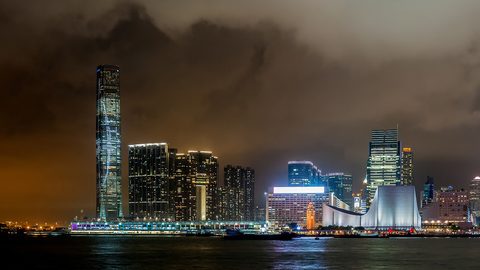
You are not here for the Hong Kong Convention and Exhibition Centre. That complex at 1 Expo Drive, built in two phases in 1988 and 1997, serves trade fairs and the annual flag raising ceremony at Golden Bauhinia Square at 07:50 daily. Walk the harbourfront promenade from the HKCEC to the Wan Chai Ferry Pier once for the skyline photo, then turn your back on the water. The neighbourhood you want is a five minute walk north of the tram line, between Johnston Road and the hill.
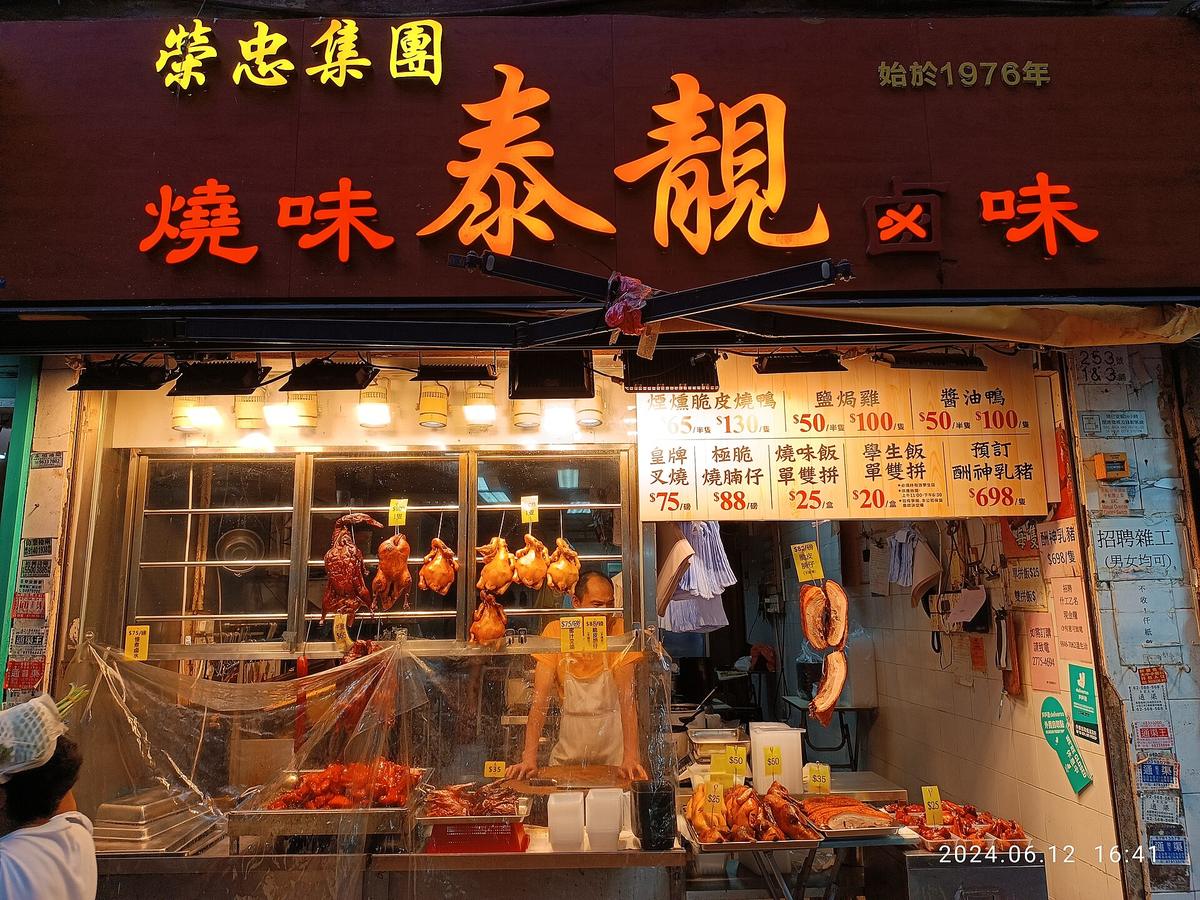
Bowrington Road Market, officially at 21 Bowrington Road, is your starting point. Open 06:00 to 20:00 daily. The ground floor sells live seafood, meat and poultry. The first floor is vegetables, fruit and dried goods. The second floor is a cooked centre with dai pai dong style stalls where you eat on communal tables. Arrive by 09:00. By 10:00 the best produce is gone and the queues tighten.
Renting in Wan Chai
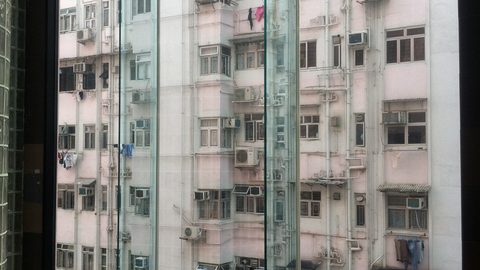
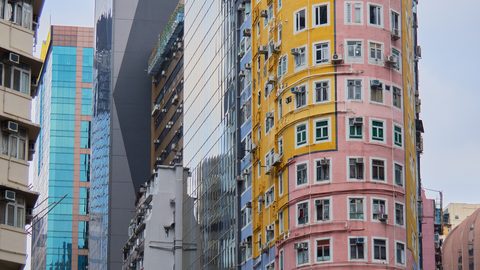
Wan Chai's residential streets reveal the neighbourhood's two halves. Older building stock runs 6 to 20 storeys, walk up or with a single small lift. Rents run HKD 35 to 55 per square foot per month; Central runs HKD 60 to 100 plus. A HKD 20,000 monthly budget buys you 360 to 570 square feet in Wan Chai versus 200 to 330 square feet in Central. That gap explains why Wan Chai attracts professionals working in Admiralty and Central, couples without children who want walkability, and expatriates who want wet market access and nightlife proximity. It does not suit anyone needing large floorplates under HKD 25,000 per month.
Check three things before signing a lease. Inspect steel frame single glazed windows for rust on hinges and failed putty seals. Test water pressure on the topmost occupied floor and ask whether supply comes direct feed or from a rooftop tank. Examine the lift's last annual inspection certificate under Cap. 618; pre-1990s control boards use parts that are now obsolete.
If you rent an older Wan Chai apartment, your shopping pattern fixes itself: the wet market for fresh produce and meat, Wellcome or ParknShop supermarkets for packaged goods, 7 Eleven or Circle K for top ups. That is not a compromise. The wet market is faster, cheaper and better than any supermarket for what you cook daily.
The Star Street Exception
The exception to the old tenement rule is the Star Street pocket. Roughly bounded by Star Street, St. Francis Yard, Sun Street, Moon Street and Wing Fung Street, this area is low rise residential with design boutiques, specialty coffee and galleries. Prices here run 30 to 50 percent higher per square foot than the rest of Wan Chai. It is quiet, tree lined, and expensive. If you want the full Wan Chai experience, you do not live here. You visit for a flat white and a gallery show, then walk back into the density.
Use the Tram, Not the MTR
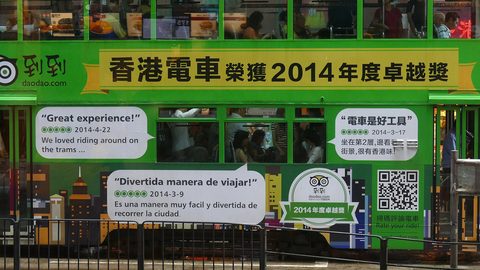
The tram is not a tourist gimmick. It is the most useful piece of transport in Wan Chai. The line runs along Johnston Road and Hennessy Road, straight into Central. The fare in 2025 was HKD 3.00 for adults, HKD 1.50 for children aged 3 to 11, HKD 1.30 for seniors over 65. Pay with Octopus card, contactless credit card, or exact coin. No change is given. The tram is slower than the MTR but it runs above ground, showing you the shopfronts, the people, the street life the MTR buries. Use it for journeys between Wan Chai and Central. It costs a fraction of a taxi, and it is the only way to feel the neighbourhood as a continuous strip rather than a sequence of station exits.
Happy Valley and the Night
Happy Valley racecourse is a 15 to 20 minute walk from Wan Chai MTR or a five minute tram ride. Race meetings run Wednesday nights from September to July. General admission into the Happy Valley General Betting Hall was HKD 10 in 2025. Go for an evening even if you do not bet. The atmosphere is local, loud, and nothing like the tourist casinos in Macau. Go for the scene, not the horses.
Wan Chai's nightlife divides into two zones. Along Lockhart Road you find the expat bars: sticky floors, pool tables, and a crowd that has barely changed since the 1990s. It is not glamorous. That is the point. A few blocks north, around the wet market streets, the nightlife is entirely Cantonese: karaoke lounges, hot pot restaurants open past midnight, and dai pai dong where the tables spill onto the pavement. Lan Kwai Fong is a 15 minute tram ride west. You do not need it. The Wan Chai version is cheaper, louder, and real.
The Trade Off
One honest caveat. Wan Chai is not pretty. The pavements are narrow and uneven. Scaffolding is permanent. Air conditioning drips from window units onto your head. The tram rattles past shopfronts at 07:00 and the wet market floor is wet. If you want a postcard version of Hong Kong, stay in Tsim Sha Tsui and look at the skyline from the promenade. If you want to live in the city the way the city actually works, Wan Chai is the neighbourhood that still delivers it.
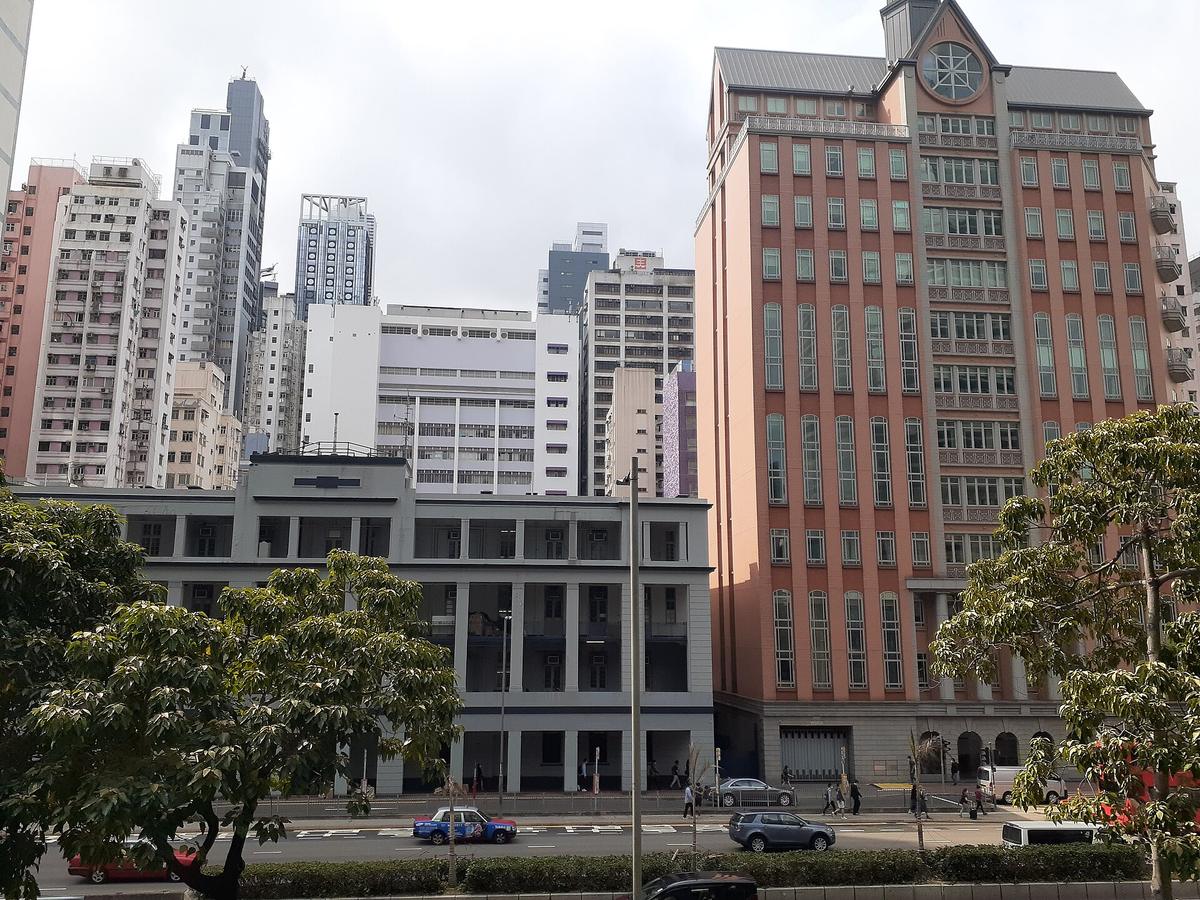

| Location | Typical Floor Area | Building Age | Character |
|---|---|---|---|
| Wan Chai | 360 570 sq ft | 1960s 1980s tenement | Wet markets, dai pai dong, tram line |
| Central | 200 330 sq ft | Modern or converted commercial | Glass towers, escalators, luxury retail |

Common Questions
Is Bowrington Road Market worth visiting if I don't cook?
Yes. The cooked centre on the second floor has dai pai dong style stalls where you eat on site. It is cheaper than any tourist area restaurant and the food is made for locals who work nearby. Arrive before 11:00 for lunch.
How do I get from Wan Chai to the Peak Tram?
Take the tram east on Johnston Road to Central, walk up Garden Road. Total travel time is about 20 minutes. Do not take a taxi; the tram is faster through traffic and costs HKD 3.00.
Is Wan Chai safe at night?
Yes, by any global standard. The streets around Lockhart Road and the wet market are busy until past midnight. Exercise the same awareness you would in any dense city, but violent crime is rare.
Which is better for a short stay, Wan Chai or Tsim Sha Tsui?
Tsim Sha Tsui has the harbour view and museums. Wan Chai has the street life and food. If you have four days or fewer and want the postcard, choose Tsim Sha Tsui. If you want to eat and walk like a local, choose Wan Chai.
Read next
-
 Living in Wan Chai Older Flats Bigger Rooms and the Noise Question
A practical guide to renting in Wan Chai, covering the generous floor plans in aging buildings and the specific noise trade-offs on different streets.
Living in Wan Chai Older Flats Bigger Rooms and the Noise Question
A practical guide to renting in Wan Chai, covering the generous floor plans in aging buildings and the specific noise trade-offs on different streets.
-
 Eating in Wan Chai From the Wet Market to Old Dai Pai Dongs
A walk through Wan Chai's Bowrington Road Market and the surrounding streets, pointing out the specific dai pai dongs and old restaurants that define the neighbourhood.
Eating in Wan Chai From the Wet Market to Old Dai Pai Dongs
A walk through Wan Chai's Bowrington Road Market and the surrounding streets, pointing out the specific dai pai dongs and old restaurants that define the neighbourhood.
-
 Hong Kong First Arrival Guide From Airport to Understanding the City
Hong Kong rewards those who treat it as a series of distinct neighbourhoods rather than a single city centre. Here is the geography and rhythm every newcomer needs.
Hong Kong First Arrival Guide From Airport to Understanding the City
Hong Kong rewards those who treat it as a series of distinct neighbourhoods rather than a single city centre. Here is the geography and rhythm every newcomer needs.
-
 Hong Kong Hotels and Serviced Apartments Before a Lease
Serviced apartments in Wan Chai, Kennedy Town, and Sai Ying Pun compared for the six weeks before you sign a Hong Kong lease.
Hong Kong Hotels and Serviced Apartments Before a Lease
Serviced apartments in Wan Chai, Kennedy Town, and Sai Ying Pun compared for the six weeks before you sign a Hong Kong lease.
-
 Where to Stay in Hong Kong a Shortlist of Districts Compared Honestly
Hong Kong districts vary wildly in rent, space, and commute reality. This shortlist compares where to stay based on what you actually get for your money.
Where to Stay in Hong Kong a Shortlist of Districts Compared Honestly
Hong Kong districts vary wildly in rent, space, and commute reality. This shortlist compares where to stay based on what you actually get for your money.
-
 Hong Kong Flights, HKG Airport and the Airport Express
HKG to Central or Kowloon by Airport Express, taxi, or A-bus, plus how Hong Kong's in-town check-in makes it a strong flight hub.
Hong Kong Flights, HKG Airport and the Airport Express
HKG to Central or Kowloon by Airport Express, taxi, or A-bus, plus how Hong Kong's in-town check-in makes it a strong flight hub.
-
 Wan Chai vs Causeway Bay Hong Kong The Island's Two Best Value Addresses Argued
Wan Chai and Causeway Bay both pack value into Hong Kong Island addresses: one delivers wet markets and old-street nightlife, the other neon shopping and Victoria Park breathing room.
Wan Chai vs Causeway Bay Hong Kong The Island's Two Best Value Addresses Argued
Wan Chai and Causeway Bay both pack value into Hong Kong Island addresses: one delivers wet markets and old-street nightlife, the other neon shopping and Victoria Park breathing room.
-
 Hong Kong Expat Cost of Living Broken Down by Lifestyle Tier
Real annual costs for expats in Hong Kong: budget, comfortable, and premium tiers covering rent by district, school fees, domestic helpers, and flights home.
Hong Kong Expat Cost of Living Broken Down by Lifestyle Tier
Real annual costs for expats in Hong Kong: budget, comfortable, and premium tiers covering rent by district, school fees, domestic helpers, and flights home.
-
 How to Set Up Your Finances When You First Arrive in Hong Kong
Open the right bank account, set up Octopus and FPS, and avoid costly transfer fees. A practical money setup guide for new arrivals in Hong Kong.
How to Set Up Your Finances When You First Arrive in Hong Kong
Open the right bank account, set up Octopus and FPS, and avoid costly transfer fees. A practical money setup guide for new arrivals in Hong Kong.