Central: What the Shortest Commute in Hong Kong Actually Costs
Central is Hong Kong's financial core and its most walkable neighbourhood, where the Mid-Levels escalator links wet markets, cocktail bars, and colonial lanes in a single steep rise.
- Flag
-
- ISO code
- HK
Central: What the Shortest Commute in Hong Kong Actually Costs
The Central Mid-Levels escalator starts moving at 10:20 each morning, shifting uphill at a steady pace past a dried seafood shop older than the building above it, a Michelin starred noodle counter, and a tai chi group holding formation in a sliver of park. Below you, the glass towers of the financial district look like a model city. But on this 800 metre, 18 section ride that climbs 135 metres in 20 to 25 minutes, you are not in the corporate centre. You are in a vertical neighbourhood where wet market stalls and cocktail bars share the same stairwell, and where the commute from apartment to office tower is measured in a 5 to 15 minute walk.
Central is the shortest commute money can buy in Hong Kong. The 2025 rent data from the city's Rating and Valuation Department shows a one bedroom apartment runs HKD 22,000 to 28,000 monthly. A two bedroom costs HKD 38,000 to 55,000. Those numbers represent a premium of 60 to 80 percent over the Hong Kong Island average, 90 to 120 percent over Kowloon, and 150 to 200 percent over the New Territories. You are paying for proximity. You are paying for a building whose average age is 30 to 60 years, where a 280 to 400 square foot one bedroom is standard. A walk up apartment with no lift, built before the 1970s, still rents for HKD 14,000 to 20,000 for a one bedroom or HKD 24,000 to 35,000 for a two bedroom.
The cost is not just financial. It is physical. Central demands you use your legs. Pavements are narrow and uneven, blocked by scaffolding and delivery carts. The air conditioning in every lobby and cafe is set punishingly cold. Carry a jacket year round. You will climb stairs. Learn the escalator schedule: it runs downhill from 06:00 to 10:00 and uphill from 10:20 to midnight. Try to walk the wrong direction at the wrong hour and you face a long detour. The system carries 78,000 people daily.
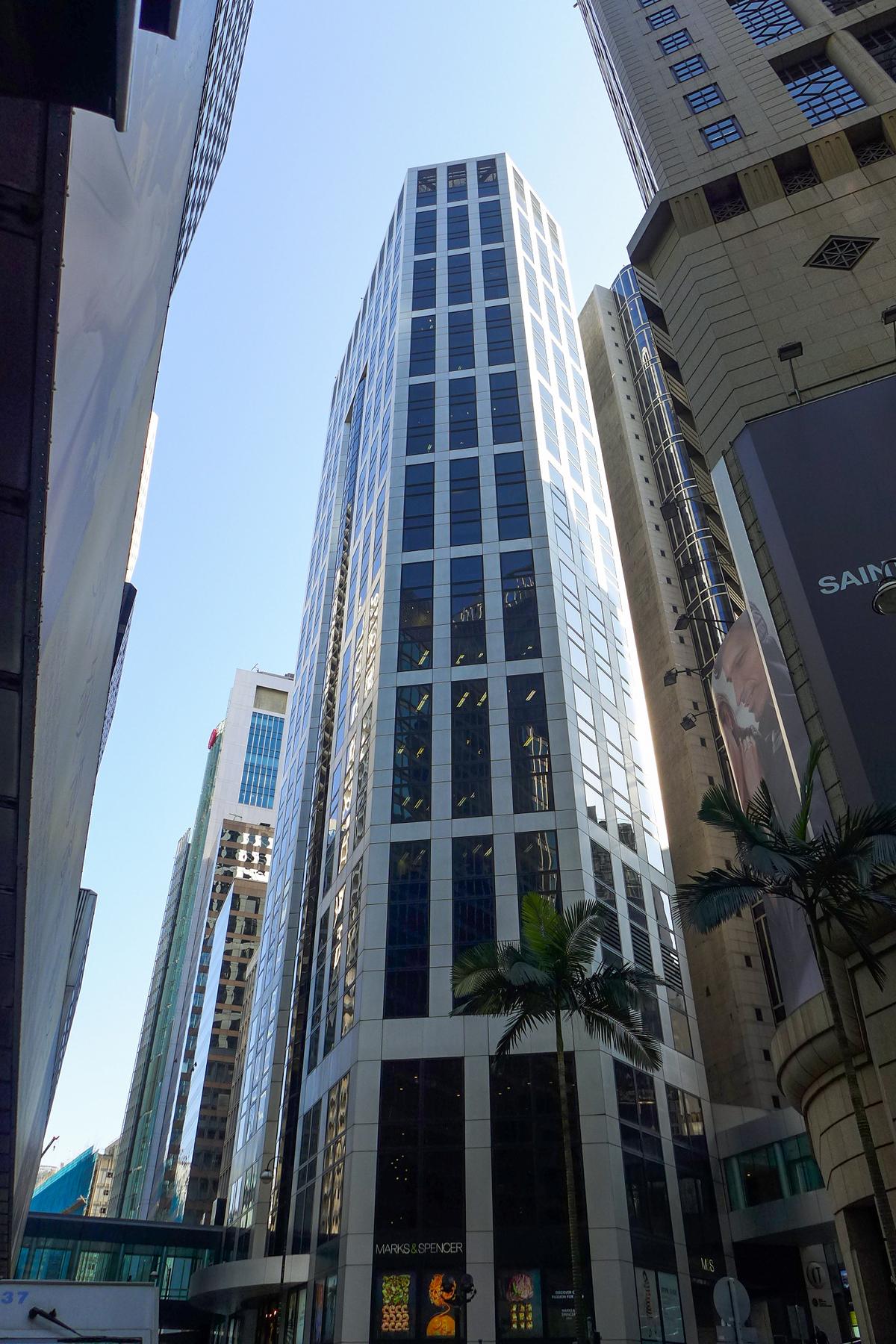

The Vertical Neighbourhood: SoHo, Lan Kwai Fong, and the Alleys Between
Central breaks into three zones stacked up the hillside. At the bottom, around the waterfront and the financial towers, you find the corporate machinery. One street back, the character shifts completely.
SoHo and the Escalator Corridor
SoHo runs from Staunton Street to Caine Road, bounded roughly by Aberdeen Street and Shelley Street. The escalator passes galleries, antique shops, and the remnants of old dai pai dong food stalls. The street life is Cantonese: elderly residents carry shopping bags of dried seafood from the stalls on Des Voeux Road West, while young professionals queue for flat whites at a counter that fits four people. Eat roast goose with plum sauce at a counter shared with strangers. Order quickly. Lingering is not the custom during peak hours. For dim sum, find a push cart or order sheet teahouse in the side streets, not a hotel restaurant. Order har gow and siu mai. Skip the tourist set menu.
Lan Kwai Fong: Two Sides of a Street
Lan Kwai Fong is the nightlife district centred on D'Aguilar Street. On Friday and Saturday nights between 23:00 and 04:00, the noise spills into a 100 to 150 metre radius at high impact, with moderate spillover reaching 150 to 300 metres. Budget for earplugs. Book a room on a higher floor away from the street. During the day, the same area is quiet, almost sleepy, and the bars are empty. Do not come here for a relaxed evening. Come for late night drinking, and leave by 02:00 if you want a taxi or a seat on the MTR.
The Alleys and the Markets
Behind the main roads, the alleyways hold the real Central. Walk through the covered market on Graham Street, past stalls selling live fish and bundles of choy sum. Stop for an egg waffle from a street stall: crisp outside, soft inside. Buy a pineapple bun with a slab of cold butter from a cha chaan teng. These are the daily life of a neighbourhood where car ownership sits at 6.2 vehicles per 100 people. Everyone walks. Everyone carries bags. Everyone knows the shortcut through the building lobby that avoids the stairs.
Where to Eat, What to Order, and Who to Skip
Central has some of the best food in Hong Kong. It also has a high concentration of mediocre tourist traps. Follow these rules.
- Roast goose: Find a specialist house in Central or Wan Chai. Order the goose with plum sauce and a side of rice. Skip the set dinners aimed at groups.
- Wonton noodle soup: Look for a shop that makes its own springy egg noodles and uses whole prawn wontons. Order the dry version with soup on the side if you want the texture to stay firm.
- Claypot rice: Available only in winter, cooked over charcoal. Order with lap cheong sausage. Arrive before 19:00 or expect a wait.
- Typhoon shelter crab: A splurge dish, stir fried with garlic and chilli. Best shared between two people. Skip if you are alone or on a budget.
- Hong Kong style milk tea: The benchmark of a good cha chaan teng. It must be strong, silky, and sweetened with condensed milk. If it tastes watery, leave.
Carry cash. Many small eateries do not accept cards, and Octopus top ups at convenience stores require cash. Public toilets are scarce in this district. Shopping malls are your most reliable option. Note the location of the nearest one before you walk into the older streets.
Morning Tai Chi, Colonial History, and the Green Ridge
Hong Kong Park sits at the edge of Central, a green lung that catches the morning mist. Arrive by 07:30 and you will see tai chi groups moving in formation on the grass. The park connects to the Peak Tram terminus. Book your tram ticket in advance; queues at peak hours can exceed 45 minutes. The tram is a steep funicular, not a cable car, and the ride lasts about 7 minutes. The view from the top is the classic Hong Kong skyline. But the better move is to walk the path around the Peak. It takes about an hour and gives you views over the harbour and the South China Sea without the crowds.
Colonial Relics Worth Your Time
Tai Kwun, the former police compound turned arts hub, sits on the lower edge of Central. Visit on a weekday morning when the courtyards are quiet. The colonial era prison cells and parade ground are free to walk through. PMQ, a block of former police quarters turned design shops, is nearby. Both are worth 45 minutes each. Neither requires a booking.
.jpg)
Two-Hour Workaround: the Island Weave and the Useful Detour
Central is not a stand alone destination. Treat it as a base for one day of your trip, then move deliberately to the other districts. A common mistake is to spend the entire visit in Tsim Sha Tsui or Central and miss the islands, the hikes, and the local markets. The best structure: one day on Hong Kong Island covering Central, Sheung Wan, and Wan Chai; one day in Kowloon covering Tsim Sha Tsui, Mong Kok, and Sham Shui Po; one day trip to Lantau, Cheung Chau, or Lamma; and one flex day for eating and shopping. The airport express train runs 24 minutes from the airport to Hong Kong Station at about HKD 115 one way. Taxis cost HKD 350 to 400 and take 30 to 45 minutes. City buses A11 and A21 are cheaper at under HKD 45 but slower.
The Noise and the Quiet
Central rewards the visitor who treats it as a neighbourhood, not a landmark. The best moments are unplanned: the smell of drying fish on a side street, the sudden view of the harbour from an escalator platform, the silence of a colonial courtyard at 08:00. But it punishes the unprepared. The noise from Lan Kwai Fong on weekend nights is real. The humidity in July and September is crushing. The lack of public toilets and the need for cash will trip you up. Arrive expecting a clean, easy, air conditioned version of Hong Kong and you will be frustrated. Arrive expecting a dense, vertical, slightly exhausting city that rewards curiosity and physical effort, and Central will deliver.
Common Questions
Is Central Hong Kong walkable for someone who does not like stairs?
No. The district is built on a steep hillside. The escalator helps, but you will climb stairs daily. Walking times on a map are misleading because of narrow, uneven pavements and blocked routes. Budget 20 percent more time than the map suggests.
What is the cheapest way to eat well in Central?
Eat at cha chaan tengs and dai pai dong remnants in the side streets. A bowl of wonton noodle soup costs HKD 40 to 60. A pineapple bun with butter costs HKD 12 to 18. Avoid the restaurants on the escalator itself, which mark up for the view.
Should I stay in Central or Tsim Sha Tsui?
Stay in Central if you value proximity to Hong Kong Island's food, bars, and morning walks. Stay in Tsim Sha Tsui if you want harbour views, museums, and direct ferry access. Do not stay in only one district for the whole trip; move between neighbourhoods.
Does Central have any green space?
Yes, Hong Kong Park offers tai chi space, a small aviary, and a connecting path to the Peak Tram. It is not a large park by global standards, but it is a reliable escape from the glass towers. The botanical gardens are adjacent.
Read next
-
 Hong Kong Hotels and Serviced Apartments Before a Lease
Serviced apartments in Wan Chai, Kennedy Town, and Sai Ying Pun compared for the six weeks before you sign a Hong Kong lease.
Hong Kong Hotels and Serviced Apartments Before a Lease
Serviced apartments in Wan Chai, Kennedy Town, and Sai Ying Pun compared for the six weeks before you sign a Hong Kong lease.
-
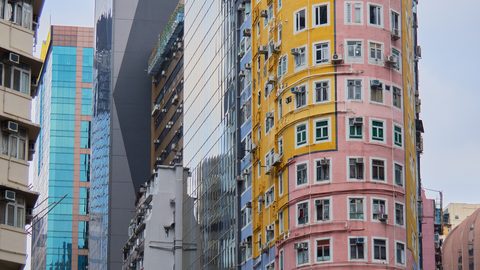 Where to Stay in Hong Kong a Shortlist of Districts Compared Honestly
Hong Kong districts vary wildly in rent, space, and commute reality. This shortlist compares where to stay based on what you actually get for your money.
Where to Stay in Hong Kong a Shortlist of Districts Compared Honestly
Hong Kong districts vary wildly in rent, space, and commute reality. This shortlist compares where to stay based on what you actually get for your money.
-
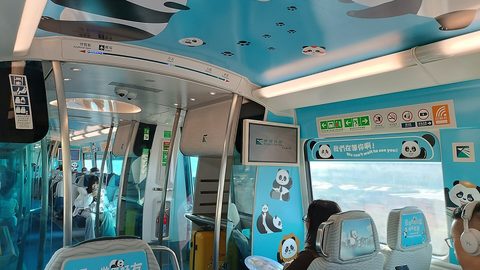 Hong Kong Flights, HKG Airport and the Airport Express
HKG to Central or Kowloon by Airport Express, taxi, or A-bus, plus how Hong Kong's in-town check-in makes it a strong flight hub.
Hong Kong Flights, HKG Airport and the Airport Express
HKG to Central or Kowloon by Airport Express, taxi, or A-bus, plus how Hong Kong's in-town check-in makes it a strong flight hub.
-
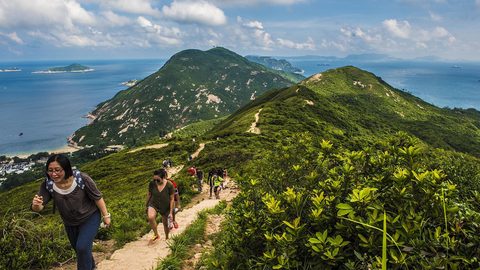 Hong Kong Weekends Hiking Trails Island Day Trips and Visitor Itineraries
Hong Kong's best escapes are minutes from the MTR: ridge hikes with harbour views, car-free islands with seafood, and fishing villages on stilts reachable in under an hour.
Hong Kong Weekends Hiking Trails Island Day Trips and Visitor Itineraries
Hong Kong's best escapes are minutes from the MTR: ridge hikes with harbour views, car-free islands with seafood, and fishing villages on stilts reachable in under an hour.
-
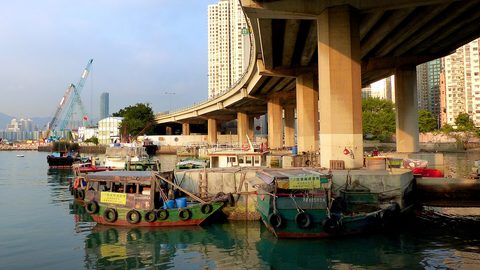 Best Time to Visit Hong Kong Weather Calendar and the Two Decisive Months
Hong Kong's best weather arrives from October to early December, with a secondary window in late March. Avoid Chinese New Year closures and the typhoon-prone summer.
Best Time to Visit Hong Kong Weather Calendar and the Two Decisive Months
Hong Kong's best weather arrives from October to early December, with a secondary window in late March. Avoid Chinese New Year closures and the typhoon-prone summer.
-
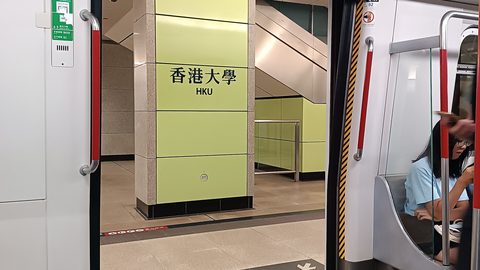 Getting Around Hong Kong MTR Octopus Minibuses and the Star Ferry
The MTR is the backbone of Hong Kong, but the Octopus card, minibuses, and exact-change rules on buses catch visitors out. Here is how to move without friction.
Getting Around Hong Kong MTR Octopus Minibuses and the Star Ferry
The MTR is the backbone of Hong Kong, but the Octopus card, minibuses, and exact-change rules on buses catch visitors out. Here is how to move without friction.
-
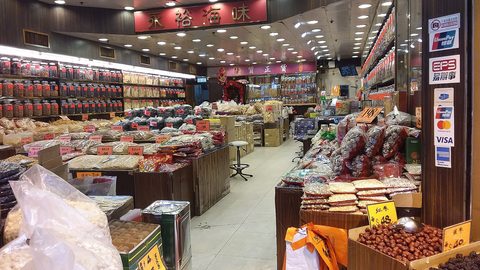 Sheung Wan
 sits one MTR stop west of Central but feels decades older, with incense-filled temples, dried seafood stalls, and independent cafes on steep narrow streets.
Sheung Wan
Sheung Wan sits one MTR stop west of Central but feels decades older, with incense-filled temples, dried seafood stalls, and independent cafes on steep narrow streets.
-
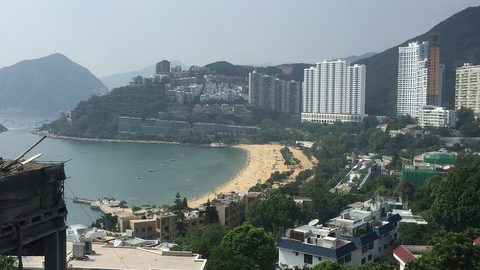 Southside
Repulse Bay, Stanley, and Aberdeen trade the MTR for beaches, village markets, and space over the hill from Central.
Southside
Repulse Bay, Stanley, and Aberdeen trade the MTR for beaches, village markets, and space over the hill from Central.
-
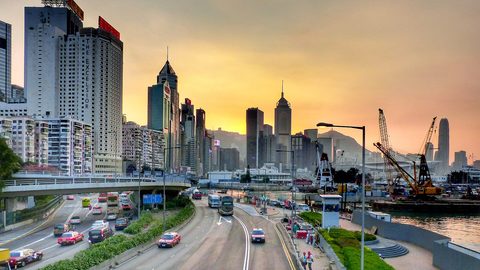 Causeway Bay
 is Hong Kong's densest shopping district, packed with department stores and neon, but Victoria Park and the quieter streets east offer respite.
Causeway Bay
Causeway Bay is Hong Kong's densest shopping district, packed with department stores and neon, but Victoria Park and the quieter streets east offer respite.