Hong Kong Accommodation Districts Compared on Rent, Commute and Actual Space
Hong Kong districts vary wildly in rent, space, and commute reality. This shortlist compares where to stay based on what you actually get for your money.
Hong Kong Districts Trade Off Rent, Commute Time and Living Space
No Hong Kong district gives you low rent, a short commute and generous living space. Pick two. The third will force a tradeoff that feels punishing until you account for it in advance. Central and Tsim Sha Tsui put you at the centre of the city, but you pay for proximity with noise, small square footage and a rent bill that consumes half your income. Kennedy Town and Sai Kung offer more square feet per dollar, but your daily journey to work stretches past 45 minutes. Mong Kok and Sham Shui Po deliver the most intense local street life in the city. Tourist comfort fades fast when you cannot find a quiet cafe or a pavement wide enough for two people to walk side by side.
Across 14 Hong Kong districts, three variables cut through the noise: annual rent for a one-bedroom unit and a two-bedroom unit, journey time to Central, and the actual square footage you can expect. Everything else belongs to later research. Eliminate districts that do not fit before you look at neighbourhood character, school catchments or lease terms. Below are the districts grouped by the tradeoff each cluster demands.
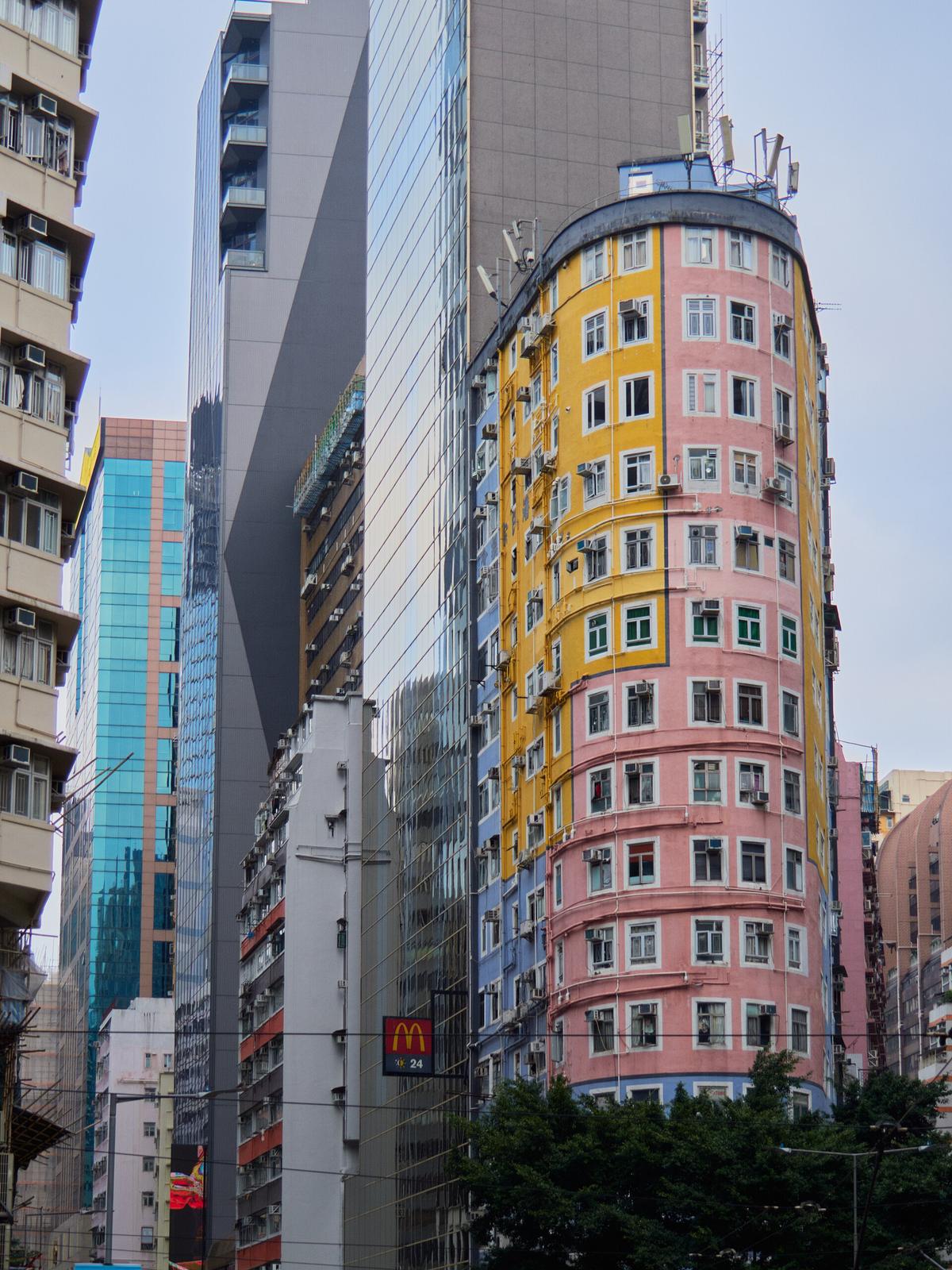

Proximity Versus Space: Central, Tsim Sha Tsui, Sheung Wan, Wan Chai and Causeway Bay
These five districts sit within a 12-minute trip of Central. They are the densest parts of the city. The tradeoff is immediate: you trade square footage for minutes saved.
Central And Sheung Wan
Central is the financial core. A one-bedroom unit here runs HKD 20,000 to 30,000 per year for 400 to 600 square feet. A two-bedroom unit costs HKD 32,000 to 55,000 for 650 to 1,000 square feet. Your walk to the office is zero to five minutes. Skip Central entirely if you are budget-conscious, need outdoor space for children or want quiet nights. Sheung Wan costs slightly less. One-bedroom rents run HKD 18,000 to 28,000 for 350 to 550 square feet. Two-bedroom places go for HKD 28,000 to 48,000 at 550 to 900 square feet. The trip is five to 10 minutes by MTR or on foot. The downside: small kitchens and limited family-sized units under HKD 35,000 per month.
Tsim Sha Tsui
Tsim Sha Tsui sits on the Kowloon side with harbour views. The MTR ride to Central takes five to eight minutes. A one-bedroom flat costs HKD 16,000 to 26,000 for 350 to 550 square feet. A two-bedroom apartment runs HKD 26,000 to 48,000 for 550 to 900 square feet. The district is a major tourist hub. Expect constant crowds, a lack of quiet residential streets and difficulty finding large units under HKD 35,000 per month. It works for singles and couples who want immediate access to museums, luxury hotels and the Star Ferry. It does not work for families or anyone who needs silence after 10 pm.
Wan Chai And Causeway Bay
Wan Chai mixes wet markets, old Hong Kong street life and nightlife. Rent for a one-bedroom flat is HKD 17,000 to 26,000 for 350 to 550 square feet. A two-bedroom unit costs HKD 26,000 to 45,000 for 550 to 850 square feet. The MTR Island Line gets you to Central in five to 10 minutes. The tradeoff: no quiet residential streets and very few playgrounds at the doorstep. Causeway Bay is Hong Kong's densest shopping district. A one-bedroom costs HKD 18,000 to 28,000 for 350 to 550 square feet. Two-bedroom apartments run HKD 28,000 to 50,000 for 550 to 900 square feet. The crowd density is extreme. Avoid it if you are sensitive to retail noise or low-density living.
Space Versus Commute: Kennedy Town, Sai Kung, Lamma and Discovery Bay
These districts offer the most space per Hong Kong dollar. They also require the longest journeys, and in some cases a ferry schedule.
Kennedy Town And Sai Ying Pun
Kennedy Town sits on the western end of Hong Kong Island. A one-bedroom costs HKD 16,000 to 24,000 for 350 to 550 square feet. A two-bedroom runs HKD 24,000 to 40,000 for 550 to 850 square feet. The trip to Central is eight to 12 minutes on the MTR Island Line, faster than most people expect. The tradeoff is limited access to the Kowloon side and a lack of large outdoor spaces for families. Sai Ying Pun, one MTR stop east, offers similar rents: HKD 16,000 to 25,000 for a one-bedroom of 300 to 500 square feet, and HKD 25,000 to 42,000 for a two-bedroom of 500 to 800 square feet. The trip is six to 10 minutes. The downside: small living rooms and a shortage of three-bedroom units under HKD 40,000.
Sai Kung
Sai Kung is a fishing village that gives you direct access to hiking trails, beaches and boat trips. A one-bedroom costs HKD 14,000 to 22,000 for 400 to 650 square feet. A two-bedroom runs HKD 22,000 to 38,000 for 650 to 1,000 square feet. That is the best space-to-rent ratio in the territory. The journey to Central takes 45 to 60 minutes by car or bus to an MTR station. Do not choose Sai Kung if you need to get to Central in under 30 minutes every day. You need a car or a high tolerance for bus transfers.
Lamma And Discovery Bay
Lamma Island is car-free and reachable only by ferry. A one-bedroom costs HKD 10,000 to 18,000 for 400 to 700 square feet. A two-bedroom runs HKD 16,000 to 28,000 for 600 to 1,000 square feet. The ferry to Central takes 25 to 40 minutes. The tradeoff: no late-night transport, no car access and village paths that are difficult for anyone with mobility constraints. Discovery Bay is a low-density resort-style development on Lantau Island. A one-bedroom costs HKD 15,000 to 24,000 for 500 to 750 square feet. A two-bedroom runs HKD 24,000 to 40,000 for 750 to 1,100 square feet. The ferry to Central Pier 3 takes 25 to 35 minutes. You depend entirely on the ferry schedule. No 24-hour MTR access.
Local Life Versus Tourist Comfort: Mong Kok, Sham Shui Po and Yau Ma Tei
These three Kowloon districts deliver the most authentic Cantonese street life in the city. They are also the most physically exhausting places to stay.
Mong Kok is extreme density, neon signs and street markets. Rents are lower than the Hong Kong Island districts, but the specific numbers for Mong Kok are not in the research data. The tradeoff is clear: you get street food, wet markets and a 24-hour rhythm of commerce. You lose pavement width, quiet hours and any sense of personal space. Pavements are narrow, uneven and often blocked by scaffolding and queues. Walking takes longer than the map suggests. Air conditioning indoors is set aggressively cold, even in summer. Carry a light layer year-round.
Sham Shui Po is the electronics and fabric district with working-class restaurants. It is not designed for tourist comfort. Public toilets are scarce. Use shopping malls; they are the most reliable option. The reward is food that costs half of what you pay in Central and a neighbourhood that has not been polished for visitors. The penalty: small eateries expect you to share tables and order quickly during peak hours. Do not linger. Yau Ma Tei sits between them with the Temple Street Night Market, old temples and fruit stalls. It is the most forgiving of the three for a first-time visitor, but the same friction applies. Narrow streets. Aggressive air conditioning. A pace that does not slow down for jet lag.
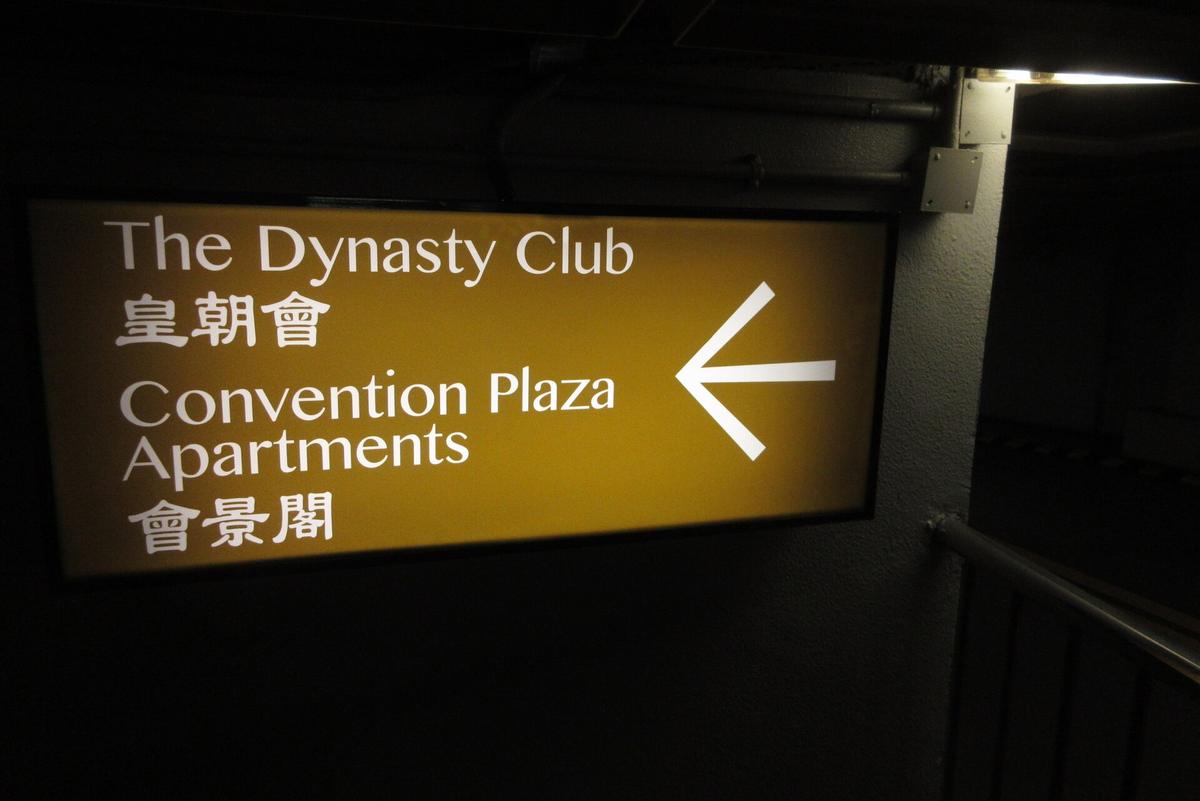

What to Expect from Apartment Sizes and Summer Air Conditioning in Hong Kong
Every apartment size in Hong Kong is measured in square feet. A 400-square-foot one-bedroom in Central is a living room, a sleeping space that holds a double bed and nothing else, a kitchenette and a bathroom so compact that the shower head is directly above the toilet. A 650-square-foot two-bedroom in Sai Kung is genuinely spacious by Hong Kong standards. It will have a separate kitchen, a living room that fits a sofa and a dining table, and two sleeping quarters that each take a bed and a wardrobe.
Summer air conditioning is not negotiable. Shops, restaurants and MTR stations set it so cold that you need a light jacket or a cardigan from June through September. The temperature differential between the street at 33 degrees Celsius and a shopping mall at 18 degrees Celsius is severe. Pack a layer even if you are arriving in July. The alternative is spending your first two days shivering through every meal.
The District That Fits Your Tradeoffs
If your journey tolerance is under 15 minutes and your rent budget for a one-bedroom is under HKD 20,000, you are limited to Kennedy Town, Sai Ying Pun or Tsim Sha Tsui. If you need a two-bedroom under HKD 30,000 and can tolerate a 45-minute trip, Sai Kung or Sha Tin will give you the most space. If local street life matters more than a quiet pavement, Mong Kok or Sham Shui Po deliver intensity at a lower rent. They also require a high tolerance for crowds, noise and physical friction. Moving for international schools? The research above does not cover schools. That belongs on a different page.
Do one practical thing next: eliminate the three districts that fail on your non-negotiable variable. If journey time is non-negotiable, cut every district with a trip over 20 minutes. If rent is non-negotiable, cut every district where a one-bedroom exceeds HKD 22,000. If space is non-negotiable, cut every district where a one-bedroom is under 400 square feet. The remaining districts are your shortlist. Visit those neighbourhoods in person before signing anything.
Common Questions
Which Hong Kong district gives the most space for the lowest rent?
Lamma Island and Sai Kung. Lamma Island one-bedroom units start at HKD 10,000 per year for 400 to 700 square feet. Sai Kung one-bedroom flats start at HKD 14,000 for 400 to 650 square feet. The tradeoff is journey time. Lamma requires a 25- to 40-minute ferry. Sai Kung takes 45 to 60 minutes by car or bus to an MTR station.
What is the shortest commute to Central with reasonable rent?
Kennedy Town or Sai Ying Pun. Both are on the MTR Island Line. Kennedy Town is eight to 12 minutes from Central. Sai Ying Pun is six to 10 minutes. A one-bedroom in Kennedy Town costs HKD 16,000 to 24,000. A one-bedroom in Sai Ying Pun costs HKD 16,000 to 25,000.
Which districts should families avoid?
Central, Sheung Wan, Wan Chai, Causeway Bay and Tsim Sha Tsui. All skew toward couples and singles. They lack playgrounds, quiet residential streets and three-bedroom units under HKD 40,000 per month. Look at Mid-Levels, Southside, Kowloon Tong, Sai Kung, Sha Tin, Tai Po, Discovery Bay or Lamma instead.
Is it cheaper to live in Kowloon or Hong Kong Island?
Kowloon is cheaper, but the difference is smaller than most visitors expect. Tsim Sha Tsui one-bedroom flats on the Kowloon side run HKD 16,000 to 26,000. Central one-bedroom units on Hong Kong Island run HKD 20,000 to 30,000. The real savings come in the New Territories. Sha Tin one-bedroom apartments cost HKD 13,000 to 20,000. Tai Po one-bedroom units cost HKD 12,000 to 18,000.
What is the biggest mistake first-time visitors make when choosing where to stay?
Staying only in Tsim Sha Tsui or Central and assuming the rest of Hong Kong is a day trip. The best experiences, such as hikes, island ferry rides, neighbourhood food and local markets, are spread across a fragmented territory that requires deliberate travel between districts. Treat Hong Kong as a series of neighbourhoods, not a single city centre.
Read next
-
 Hong Kong Hotels and Serviced Apartments Before a Lease
Serviced apartments in Wan Chai, Kennedy Town, and Sai Ying Pun compared for the six weeks before you sign a Hong Kong lease.
Hong Kong Hotels and Serviced Apartments Before a Lease
Serviced apartments in Wan Chai, Kennedy Town, and Sai Ying Pun compared for the six weeks before you sign a Hong Kong lease.
-
 Hong Kong Flights, HKG Airport and the Airport Express
HKG to Central or Kowloon by Airport Express, taxi, or A-bus, plus how Hong Kong's in-town check-in makes it a strong flight hub.
Hong Kong Flights, HKG Airport and the Airport Express
HKG to Central or Kowloon by Airport Express, taxi, or A-bus, plus how Hong Kong's in-town check-in makes it a strong flight hub.
-
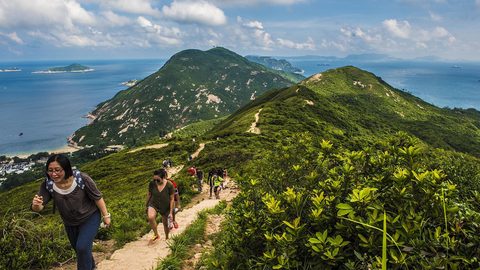 Hong Kong Weekends Hiking Trails Island Day Trips and Visitor Itineraries
Hong Kong's best escapes are minutes from the MTR: ridge hikes with harbour views, car-free islands with seafood, and fishing villages on stilts reachable in under an hour.
Hong Kong Weekends Hiking Trails Island Day Trips and Visitor Itineraries
Hong Kong's best escapes are minutes from the MTR: ridge hikes with harbour views, car-free islands with seafood, and fishing villages on stilts reachable in under an hour.
-
 Best Time to Visit Hong Kong Weather Calendar and the Two Decisive Months
Hong Kong's best weather arrives from October to early December, with a secondary window in late March. Avoid Chinese New Year closures and the typhoon-prone summer.
Best Time to Visit Hong Kong Weather Calendar and the Two Decisive Months
Hong Kong's best weather arrives from October to early December, with a secondary window in late March. Avoid Chinese New Year closures and the typhoon-prone summer.
-
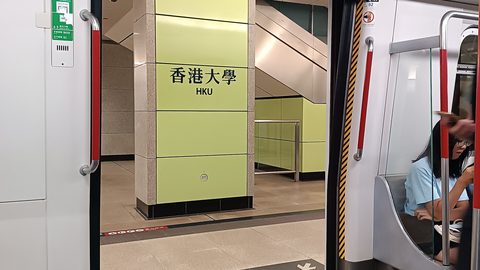 Getting Around Hong Kong MTR Octopus Minibuses and the Star Ferry
The MTR is the backbone of Hong Kong, but the Octopus card, minibuses, and exact-change rules on buses catch visitors out. Here is how to move without friction.
Getting Around Hong Kong MTR Octopus Minibuses and the Star Ferry
The MTR is the backbone of Hong Kong, but the Octopus card, minibuses, and exact-change rules on buses catch visitors out. Here is how to move without friction.
-
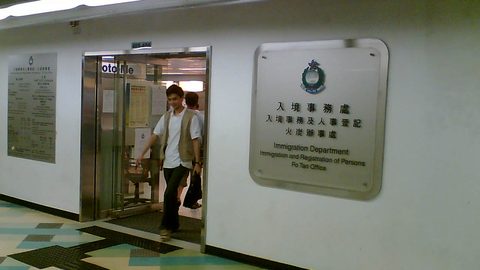 Hong Kong Visa Routes Employment Dependants and Options Without a Job
Hong Kong offers several visa routes beyond standard employment sponsorship, including points-tested schemes and dependant visas that permit work without a separate application.
Hong Kong Visa Routes Employment Dependants and Options Without a Job
Hong Kong offers several visa routes beyond standard employment sponsorship, including points-tested schemes and dependant visas that permit work without a separate application.
-
 Hong Kong Expat Cost of Living Broken Down by Lifestyle Tier
Real annual costs for expats in Hong Kong: budget, comfortable, and premium tiers covering rent by district, school fees, domestic helpers, and flights home.
Hong Kong Expat Cost of Living Broken Down by Lifestyle Tier
Real annual costs for expats in Hong Kong: budget, comfortable, and premium tiers covering rent by district, school fees, domestic helpers, and flights home.
-
 How to Set Up Your Finances When You First Arrive in Hong Kong
Open the right bank account, set up Octopus and FPS, and avoid costly transfer fees. A practical money setup guide for new arrivals in Hong Kong.
How to Set Up Your Finances When You First Arrive in Hong Kong
Open the right bank account, set up Octopus and FPS, and avoid costly transfer fees. A practical money setup guide for new arrivals in Hong Kong.
-
 Mobile Plans, SIM Cards and Connectivity Costs for Expats in Hong Kong
Compare 3HK, SmarTone, and CMHK mobile plans for Hong Kong expats. Monthly costs, data tiers, prepaid vs contract, and tips on staying connected abroad.
Mobile Plans, SIM Cards and Connectivity Costs for Expats in Hong Kong
Compare 3HK, SmarTone, and CMHK mobile plans for Hong Kong expats. Monthly costs, data tiers, prepaid vs contract, and tips on staying connected abroad.