A Walk Through Kowloon Tong, the Low-Rise School District North of Boundary Street
Kowloon Tong feels like a different Hong Kong: wide streets, low-rise houses with gardens, and a quiet hillside walk up Beacon Hill away from the Kowloon crush.
- Flag
-

- ISO code
- HK
Kowloon Tong is Not Typical Kowloon. it is Wide, Quiet, and Green.
One MTR stop south of Kowloon Tong is Mong Kok, where the pavement density hits the highest in the world and the neon signs compete for your peripheral vision. One stop north and the streets open up. The low rise houses have front gardens. The pavements are wide enough for two people to walk side by side without brushing shoulders. You can hear birds. This is the single most useful thing to understand about Kowloon Tong: it is a suburban pocket inside the densest urban territory on earth, and that contrast is why a traveller would come here at all.
You are not here for the schools. You are not here to rent a flat. You are here because Hong Kong exhausts you after three days of crowds and escalators and aggressive air conditioning and you need an afternoon where the texture changes. Kowloon Tong delivers that change not as a tourist attraction but as a functional neighbourhood that happens to be walkable, shaded, and deliberately quiet. Treat it as a reset day. A place to breathe before you go back into the density.

What You See on the Streets: Garden Houses, Wide Pavements, and a Different Pace
Leave Kowloon Tong MTR station through Exit E or G. You emerge directly into Festival Walk, the 1,000,000 square foot shopping centre that acts as the district's hinge. Do not stay indoors yet. Walk north on Kent Road or Cumberland Road. Within two blocks the buildings drop from thirty storeys to three. The garden houses here are 2,000 to 4,000 square feet on plots that include actual planted front gardens, a luxury almost nowhere else in Kowloon. The streets have low traffic volume. The ambient noise level is so low that residents complain about a neighbour's lawnmower. That is an unusual sentence to write about any part of Hong Kong Island or Kowloon urban area.
How to Walk the Residential Streets
Take Kent Road east from Festival Walk. It curves gently uphill. The garden houses sit behind walls and hedges, many painted white or cream with tiled roofs. The tree canopy covers the street. This is the closest you will get to a suburban stroll inside Kowloon without entering a country park. Continue onto Durham Road and then loop back via Somerset Road. The entire circuit takes about 35 minutes at a slow pace. There is nothing to buy here, nothing to queue for. The point is the walk itself.
For a longer route, head north toward the hill that rises immediately behind the low rise district. A paved footpath starts at the end of Kent Road near the junction with Broadcast Drive. The path climbs through secondary forest and reaches a viewpoint overlooking the entire harbour. Allow 20 minutes up and 15 down. The view is not as wide as Victoria Peak but it is quieter and free of queues. Bring water. The path is shaded but the humidity at the top is the same as everywhere else.
Festival Walk: the Indoor Outdoor Mall That Anchors the District
Festival Walk is your practical base for the afternoon. Unlike most Hong Kong shopping centres, which are sealed boxes with no natural light, this one was designed around a central atrium with a glass roof and a full size ice skating rink called Glacier on the top floor. You feel less trapped. The Apple Store and Chanel are here, but so is a Marks & Spencer food hall where you can buy a sandwich and a bottle of water for less than a restaurant meal. Use the food hall as a lunch stop. The seating areas near the rink have tables and a view of skaters, a better experience than the crowded food court at peak hours.
The Ice Rink and a Cool Down
If you have children with you, or if you just want to sit in air conditioning for half an hour, watch the public skating session. Session times change weekly. Check the Glacier schedule on the mall's website before you arrive. The ice rink is the only one in Kowloon and it draws a mix of serious skaters and wobbly beginners that is entertaining to watch for exactly as long as you need to cool down.
Transit Connections
Festival Walk connects directly to the MTR via a covered walkway. You can reach East Rail line platforms in under four minutes from the mall entrance. The commute to Admiralty is 18 to 22 minutes. That is shorter than from most parts of Hong Kong Island itself. If you are staying elsewhere in Kowloon, this mall is a convenient refuelling point before heading back to the dense parts of the city.

Why You Should Come Here Even Without School Aged Children
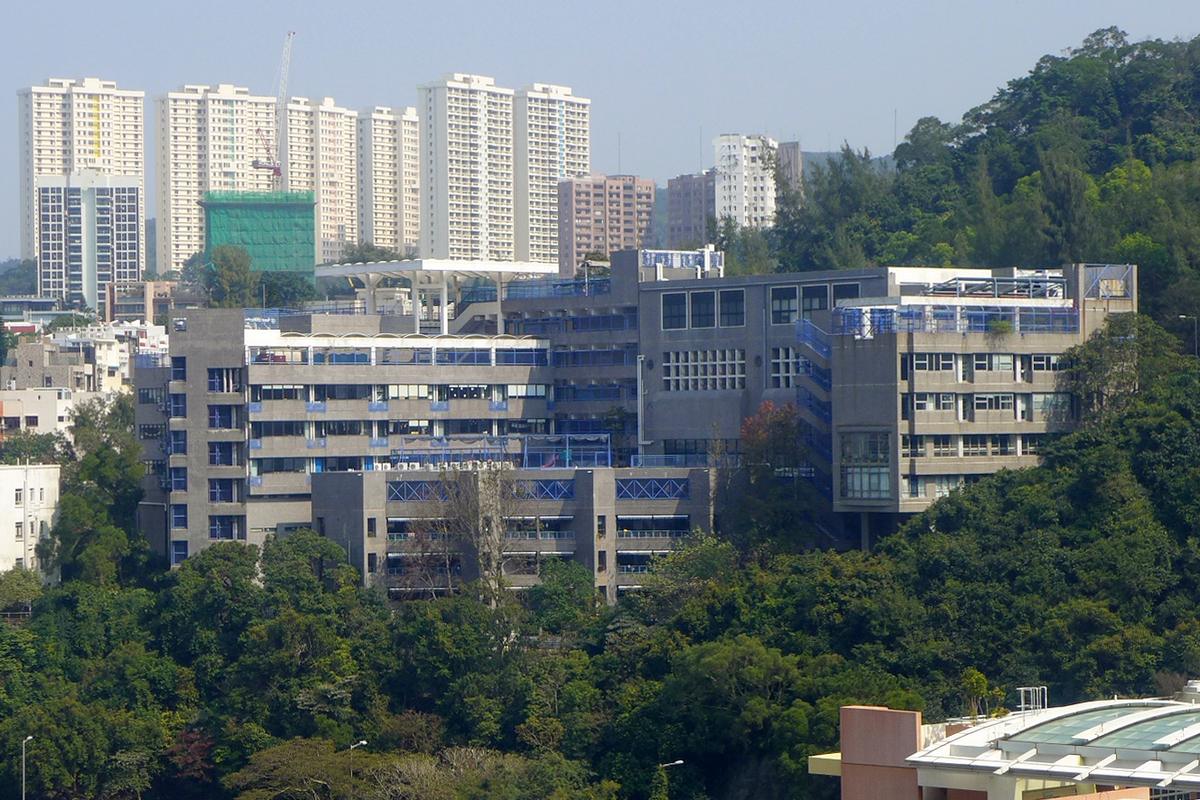
The official reason families relocate to Kowloon Tong is school catchment. Over 100 schools sit in the wider Kowloon City district, including the American International School, Australian International School, Yew Chung International School, and Beacon Hill School. That concentration drives the high rents: 55,000 to 90,000 Hong Kong dollars a month for a low rise apartment, and 100,000 to 200,000 for a garden house (at 2024 rates published by local estate agents, subject to annual revision). The visitor benefit is indirect. Because the district is built around families rather than tourists, the streets are safe, the pavements are stroller friendly, and the restaurants serve food designed for children and adults without the three hour queue common in Mong Kok or Causeway Bay.
For the traveller tired of the density, Kowloon Tong offers a different Hong Kong texture. It is suburban without being car dependent. It is low rise without being sleepy. It is expensive but you pay nothing to walk through it. Spend two hours here, eat at the mall or at one of the small Cantonese restaurants on the southern edge of the district near the MTR, and then take the East Rail line back into the chaos. The contrast will sharpen everything else you see in Hong Kong.
The single most practical thing to do next: exit Kowloon Tong station at Exit E on a weekday morning before 10:00, walk north on Kent Road for ten minutes, then turn around and buy a ticket for the skating rink session that starts at 11:30. That combination of quiet street and indoor ice is not available anywhere else in Kowloon.
Common Questions
What makes Kowloon Tong feel spacious compared to the rest of Kowloon?
The housing typology is garden houses and low rise apartment blocks of three to four storeys, not high rise towers. Pavements are wider, traffic is lower, and the tree canopy covers most residential streets. The ambient noise level is quiet enough that residents hear lawnmowers. That is a deliberate design choice for the district, not an accident.
How do I get to Kowloon Tong from Central?
Take the MTR East Rail line from Admiralty station northbound to Kowloon Tong. Journey time is 18 to 22 minutes. Trains run every two to four minutes. The same line also connects to Lo Wu and Lok Ma Chau for border crossings, but those trains are less frequent. Stick to the Admiralty trains.
Is Festival Walk worth visiting as a tourist?
Yes, but only as a functional stop, not a destination. The ice skating rink and the glass roof atrium are unusual for a Hong Kong mall. Use the Marks & Spencer food hall for a cheap lunch. Skip the luxury boutiques unless you already planned to shop. The mall is one of the few places in Kowloon where you can sit in air conditioning with a view of natural light.
Can I walk to the hill viewpoint from the MTR station?
Yes. Walk north from Festival Walk on Kent Road until the road ends at Broadcast Drive. A paved footpath continues uphill into the green ridge behind the district. The viewpoint is about 20 minutes up. No ticket required, no queue. Bring water. The path is shaded but the humidity is high.
What is the best time of year to visit Kowloon Tong?
October to early December for clear skies and low humidity, or late March to April for milder conditions before the summer rains. July to September is hot, wet, and typhoon prone. Avoid Chinese New Year when small restaurants close and cross border travel is chaotic.
Are there restaurants in Kowloon Tong for a traveller?
Yes, but they are scattered rather than concentrated. The restaurants immediately around the MTR station and inside Festival Walk are the most convenient. For a more local option, walk south toward the junction of Waterloo Road and Prince Edward Road West. Several Cantonese noodle shops and cha chaan tengs operate there. Table sharing is expected during peak hours.
Should I stay overnight in Kowloon Tong?
Probably not for a short trip. The district has very few hotels. It works better as a two hour excursion or an afternoon reset. If you want a quiet base, consider Kennedy Town on Hong Kong Island or a hotel near the Tsim Sha Tsui promenade, where you still have access to Kowloon Tong by direct train in under 25 minutes.
Read next
-
 Living in Kowloon Tong Hong Kong School District and What Low-Rise Costs
The real cost of renting a low-rise apartment in Kowloon Tong, where the school district and garden estates command a premium for families needing the East Rail commute.
Living in Kowloon Tong Hong Kong School District and What Low-Rise Costs
The real cost of renting a low-rise apartment in Kowloon Tong, where the school district and garden estates command a premium for families needing the East Rail commute.
-
 Eating in Kowloon Tong Festival Walk and the University Streets
Eating in Kowloon Tong means navigating Festival Walk mall restaurants and finding the small student canteens and noodle shops near Baptist University Road.
Eating in Kowloon Tong Festival Walk and the University Streets
Eating in Kowloon Tong means navigating Festival Walk mall restaurants and finding the small student canteens and noodle shops near Baptist University Road.
-
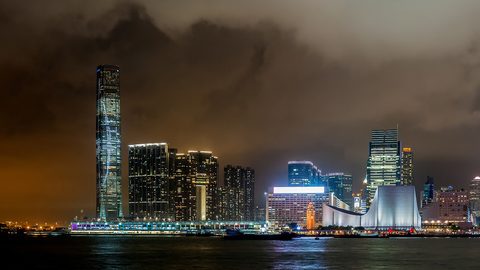 Hong Kong First Arrival Guide From Airport to Understanding the City
Hong Kong rewards those who treat it as a series of distinct neighbourhoods rather than a single city centre. Here is the geography and rhythm every newcomer needs.
Hong Kong First Arrival Guide From Airport to Understanding the City
Hong Kong rewards those who treat it as a series of distinct neighbourhoods rather than a single city centre. Here is the geography and rhythm every newcomer needs.
-
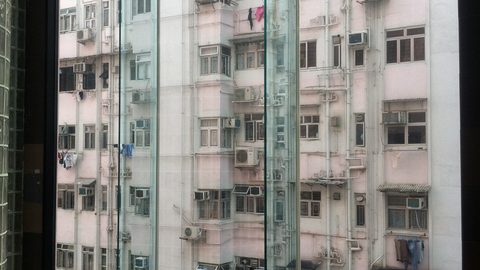 Hong Kong Hotels and Serviced Apartments Before a Lease
Serviced apartments in Wan Chai, Kennedy Town, and Sai Ying Pun compared for the six weeks before you sign a Hong Kong lease.
Hong Kong Hotels and Serviced Apartments Before a Lease
Serviced apartments in Wan Chai, Kennedy Town, and Sai Ying Pun compared for the six weeks before you sign a Hong Kong lease.
-
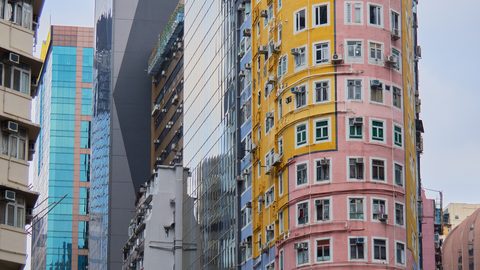 Where to Stay in Hong Kong a Shortlist of Districts Compared Honestly
Hong Kong districts vary wildly in rent, space, and commute reality. This shortlist compares where to stay based on what you actually get for your money.
Where to Stay in Hong Kong a Shortlist of Districts Compared Honestly
Hong Kong districts vary wildly in rent, space, and commute reality. This shortlist compares where to stay based on what you actually get for your money.
-
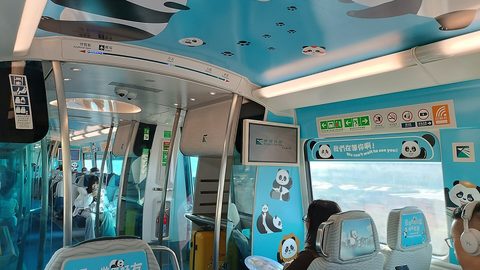 Hong Kong Flights, HKG Airport and the Airport Express
HKG to Central or Kowloon by Airport Express, taxi, or A-bus, plus how Hong Kong's in-town check-in makes it a strong flight hub.
Hong Kong Flights, HKG Airport and the Airport Express
HKG to Central or Kowloon by Airport Express, taxi, or A-bus, plus how Hong Kong's in-town check-in makes it a strong flight hub.
-
 Kowloon Tong vs Ho Man Tin Hong Kong Neighbourhood Comparison
Compare Kowloon Tong's school catchments and low-rise calm with Ho Man Tin's hillside quiet and Mong Kok proximity to choose the right Hong Kong neighbourhood.
Kowloon Tong vs Ho Man Tin Hong Kong Neighbourhood Comparison
Compare Kowloon Tong's school catchments and low-rise calm with Ho Man Tin's hillside quiet and Mong Kok proximity to choose the right Hong Kong neighbourhood.
-
 Hong Kong Expat Cost of Living Broken Down by Lifestyle Tier
Real annual costs for expats in Hong Kong: budget, comfortable, and premium tiers covering rent by district, school fees, domestic helpers, and flights home.
Hong Kong Expat Cost of Living Broken Down by Lifestyle Tier
Real annual costs for expats in Hong Kong: budget, comfortable, and premium tiers covering rent by district, school fees, domestic helpers, and flights home.
-
 How to Set Up Your Finances When You First Arrive in Hong Kong
Open the right bank account, set up Octopus and FPS, and avoid costly transfer fees. A practical money setup guide for new arrivals in Hong Kong.
How to Set Up Your Finances When You First Arrive in Hong Kong
Open the right bank account, set up Octopus and FPS, and avoid costly transfer fees. A practical money setup guide for new arrivals in Hong Kong.