Tsim Sha Tsui: One MTR Stop from Central, Half the Rent, and the Harbour View
Tsim Sha Tsui offers the classic Hong Kong skyline view, cheaper hotels than Central, and direct access to West Kowloon's museums from the Kowloon waterfront.
- Flag
-
- ISO code
- HK
Tsim Sha Tsui: One MTR Stop from Central, Half the Rent, and the Harbour View
The Star Ferry slides across Victoria Harbour, and the man next to you is eating a bag of roasted chestnuts from a street stall on Salisbury Road. The Kwoks at the Peninsula Hotel are still to your right, and the clock tower marks the time. You are in Tsim Sha Tsui, and you just saved half what a hotel room in Central would cost.
This is the Kowloon-side answer to Hong Kong Island: cheaper beds, the classic skyline view from a 1.6 km promenade that opened in 1982, and direct foot access to West Kowloon. But it is also a neighbourhood of Chungking Mansions, Indian tailors, and old luxury hotels clinging to a fading colonial grandeur. For most visitors deciding between a hotel in Central and one across the harbour, the Kowloon side wins—and once you are here, the district itself sets the agenda.

Why Tsim Sha Tsui Over Central?
The single most practical reason is price. According to 2025 data published by the Hong Kong SAR Government Rating and Valuation Department, residential rent per square foot in Central runs 40 to 60 percent higher than equivalent private housing in Tsim Sha Tsui. That gap translates directly to hotel rates. A comparable room on the Kowloon side costs roughly half what you pay on Hong Kong Island. You trade address cachet for a better deal. You lose almost nothing in convenience.
Walk from the southernmost residential blocks on Salisbury Road to the harbour. It is about 50 m. The northernmost blocks near Austin Road are roughly 1.2 km from the promenade. Even at the back of the neighbourhood, you reach the water in a quarter of an hour on foot. The MTR travel time to Central is one stop on the Tsuen Wan Line. The Star Ferry crossing takes six to eight minutes, with sailings departing every few minutes. You are closer to Central than most of Hong Kong Island is to Central.
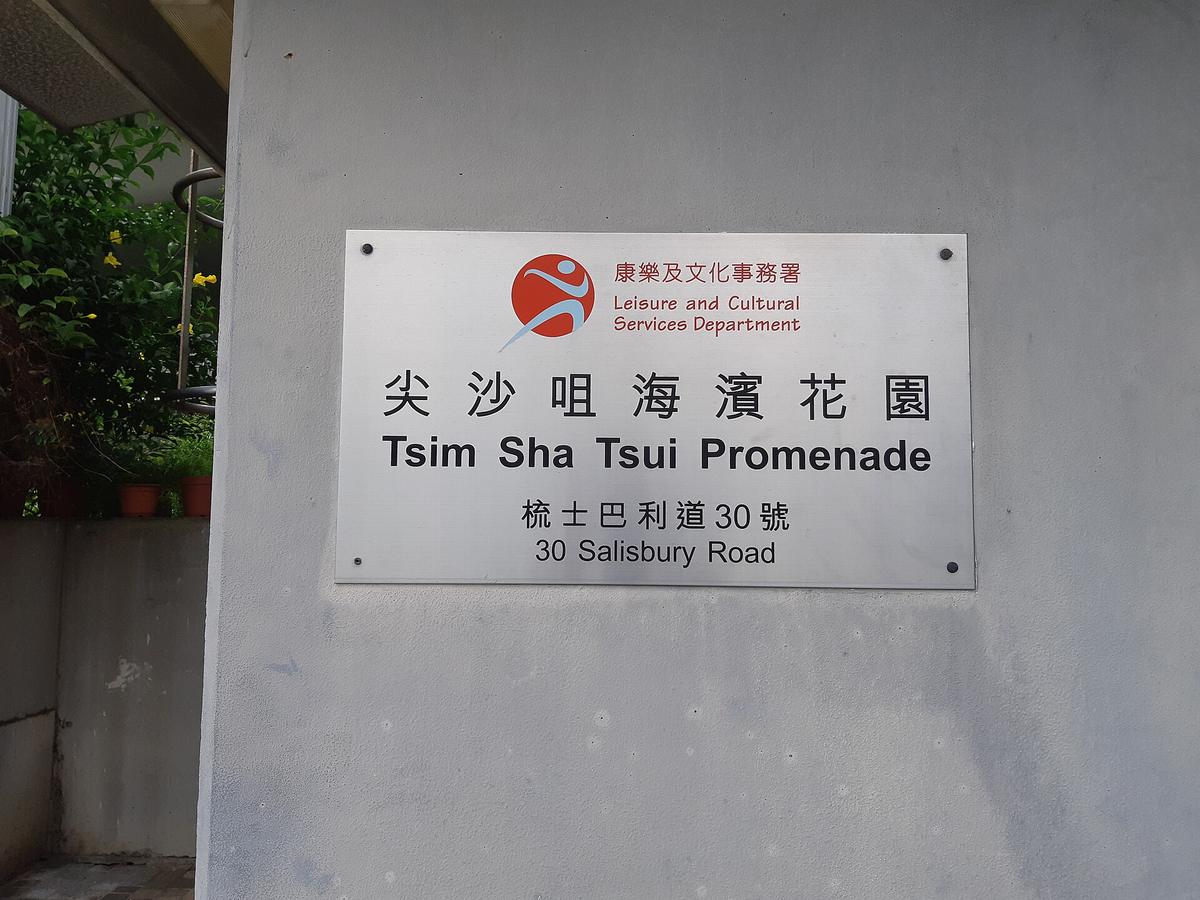
For the classic skyline view, you do not need to ride the Peak Tram and queue for an hour. You walk onto the Tsim Sha Tsui Promenade and face it. The Avenue of Stars is here. The Hong Kong Museum of Art at 10 Salisbury Road reopened in 2019 after a HK$930 million renovation that made it genuinely worth an afternoon. The Hong Kong Space Museum and Hong Kong Cultural Centre share the same address. The promenade is free, always open. At dusk it becomes the best public space in Hong Kong.
The Cultural District At Your Doorstep
West Kowloon, the M+ Museum and the Hong Kong Palace Museum sit at the northern end of the promenade. Book M+ in advance. Book the Palace Museum in advance. These are not walk-up venues. M+ covers visual culture and architecture. The Palace Museum holds imperial artefacts in a modern building designed for them. Both sit within a short stroll from the Star Ferry Pier. Central has no equivalent concentration of purpose-built museums in this density.
The Neighbourhood Beyond The View
Tsim Sha Tsui is not a theme-park version of Hong Kong. Chungking Mansions is a vertical warren of guesthouses, migrant shops, phone stalls and curry houses. It is chaotic, intense, and safe. The Indian tailors on Kimberley Street and the 1920s tong lau tenement blocks still stand. Knutsford Terrace and Hillwood Road offer quiet residential streets with cocktail bars away from the Nathan Road crowds. The building stock here spans every decade since the 1920s: three-storey walk-ups beside a 73-storey residential tower like The Cullinan at 270 m. The 2021 census counted 31,820 residents in the district, and the expatriate share has grown as new luxury completions like Victoria Dockside (finished 2019) drew non-local professionals who value the walk to the ferry and the West Kowloon high-speed rail station. This is a real neighbourhood, not a hotel district.
What to Actually Do Here
Start the day at a cha chaan teng for a pineapple bun with a slab of cold butter and a Hong Kong-style milk tea. The tea is strong, silky, and sweetened with condensed milk. This is not breakfast for the faint-hearted. It is fuel.
Walk to the Hong Kong Museum of History at 100 Chatham Road South. It opened in 1998 and gives you the full local story from prehistory through the handover. Budget two hours. Skip the Science Museum next door unless you have children. The Art Museum at Salisbury Road is a better use of your afternoon. The Space Museum is aimed at families and school groups; adults can pass.
Cross the harbour on the Star Ferry at dusk. Do not take the MTR for this crossing. The six-to-eight-minute ride costs a few dollars and delivers the best skyline approach in the city. Arrive at Central, eat roast goose with plum sauce in Wan Chai or Central itself, then walk back toward the Peak Tram or simply return to Tsim Sha Tsui on the ferry for the night view.
The Nathan Road Trap And How To Beat It
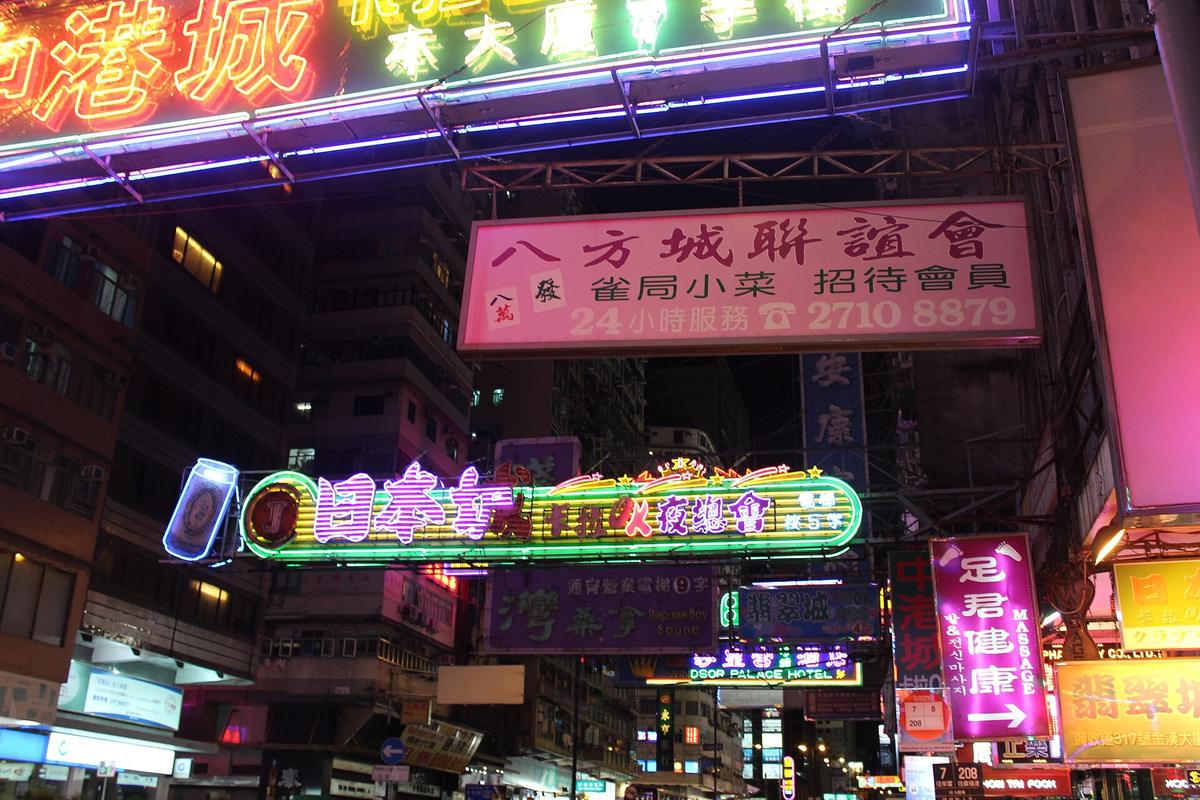
Tourist density peaks on Nathan Road south of Kimberley Road, on Canton Road, and on Salisbury Road. North of Kimberley Road and east of Chatham Road South, the crowds drop off sharply. Stay in the quiet zone for your hotel. Hillwood Road and the streets behind the Mira Hotel are residential and calm. Walk south for five minutes. You are at the promenade. Walk north for ten. You are in Mong Kok, which is a different density entirely.
Day Trips You Cannot Skip
You need at least four full days in Hong Kong: one on Hong Kong Island, one in Kowloon, one for a day trip or hike, and one flex day for food and shopping. From Tsim Sha Tsui, the day trips require deliberate travel. Lantau Island (the Big Buddha and Tai O fishing village) takes 45 to 60 minutes by MTR and bus from Central. Cheung Chau is a 35-to-55-minute ferry from Central. Lamma Island is a 25-to-30-minute ferry from Central. Sai Kung and Sharp Island take 45 to 60 minutes by MTR and minibus. Macau is one hour by TurboJET or Cotai Water Jet ferry. Do not try to do a day trip and a full sightseeing day in the same day. You will exhaust yourself.

The Practical Friction You Need to Know
Hong Kong rewards travellers who treat it as a series of neighbourhoods rather than a single city centre. The best experiences are spread across a fragmented territory. Tsim Sha Tsui is your base, not your entire trip.
Pavements are narrow, uneven, and often blocked by scaffolding or signs. Walking takes longer than the map suggests. Air conditioning indoors is set aggressively cold even in summer. Carry a light layer year-round. Public toilets are scarce in older districts; shopping malls are your most reliable option. Many small restaurants expect you to share tables and order quickly. Lingering is not the norm.
You need an Octopus card or contactless payment for the MTR. Cash only at smaller eateries. Octopus top-ups at convenience stores are cash only. Free public Wi-Fi exists in MTR stations and government buildings but it is inconsistent. Buy a local SIM or eSIM at the airport. It is cheap and easy. Google Maps works, but Citymapper or MTR Mobile are more reliable for routing and service updates.
The common mistake is staying only in Tsim Sha Tsui or Central and missing the hikes, the islands, the neighbourhood food, and the local markets. The best part of Hong Kong is not on Nathan Road. It is on a ferry to Cheung Chau, on the Dragon's Back trail, or in a Sham Shui Po congee shop. Build your itinerary around movement between districts, not around a single hotel.
Peak season runs October to early December and late March to April. Avoid Chinese New Year (late January to mid-February), the first week of October, and early May for mainland Chinese public holidays that bring extreme crowds. July to September is hot, wet, and typhoon-prone. If you arrive in a quiet month, you get the neighbourhood to yourself.
Common Questions
Is Tsim Sha Tsui cheaper than Central for hotels?
Yes. Residential rent in Central runs 40 to 60 percent higher than equivalent private housing in Tsim Sha Tsui per the Hong Kong SAR Government Rating and Valuation Department 2025 data. Hotel rates follow the same pattern. Expect to pay roughly half for a comparable room in Tsim Sha Tsui.
How do I get from Tsim Sha Tsui to Central?
The MTR Tsuen Wan Line takes one stop. The Star Ferry crossing runs six to eight minutes, with sailings departing every few minutes. Take the ferry at dusk for the skyline view. The MTR is faster; the ferry is better.
What is the best time of year to visit Tsim Sha Tsui?
October to early December for clear skies, low humidity, and comfortable temperatures. Late March to April is mild and drier before summer rains. Avoid Chinese New Year, the first week of October, early May, and July through September.
Which is better: staying in Tsim Sha Tsui or Central?
Tsim Sha Tsui wins for most visitors. You get the harbour view from the promenade, lower hotel rates, direct access to the West Kowloon museums, and the Star Ferry. Central is better if you need to be on Hong Kong Island for business every morning.
Is Tsim Sha Tsui safe?
Yes. Hong Kong is efficient and safe. Chungking Mansions is chaotic and intense but not dangerous. The neighbourhood has a visible police presence and low street crime. Solo travellers of all genders are safe here at all hours.
What is within walking distance of Tsim Sha Tsui?
The Tsim Sha Tsui Promenade is 1.6 km of harbourfront. The Hong Kong Museum of Art, Space Museum, and Cultural Centre are at Salisbury Road. The M+ Museum and Hong Kong Palace Museum are a short walk north in West Kowloon. Knutsford Terrace and Hillwood Road are quiet residential zones five minutes from Nathan Road.
How many days do I need in Hong Kong if I stay in Tsim Sha Tsui?
Four full days minimum. One day on Hong Kong Island, one in Kowloon, one day trip or hike, and one flex day for food and shopping. Extend to five days for Macau or a second day trip.
Read next
-
 Hong Kong Hotels and Serviced Apartments Before a Lease
Serviced apartments in Wan Chai, Kennedy Town, and Sai Ying Pun compared for the six weeks before you sign a Hong Kong lease.
Hong Kong Hotels and Serviced Apartments Before a Lease
Serviced apartments in Wan Chai, Kennedy Town, and Sai Ying Pun compared for the six weeks before you sign a Hong Kong lease.
-
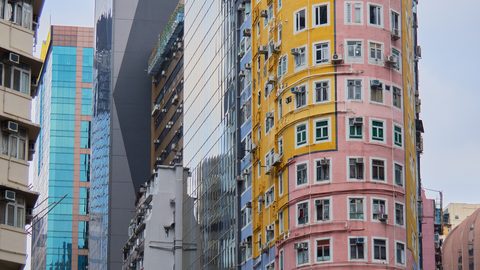 Where to Stay in Hong Kong a Shortlist of Districts Compared Honestly
Hong Kong districts vary wildly in rent, space, and commute reality. This shortlist compares where to stay based on what you actually get for your money.
Where to Stay in Hong Kong a Shortlist of Districts Compared Honestly
Hong Kong districts vary wildly in rent, space, and commute reality. This shortlist compares where to stay based on what you actually get for your money.
-
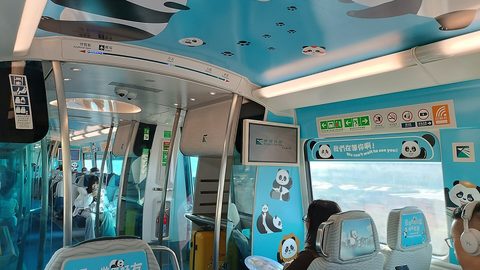 Hong Kong Flights, HKG Airport and the Airport Express
HKG to Central or Kowloon by Airport Express, taxi, or A-bus, plus how Hong Kong's in-town check-in makes it a strong flight hub.
Hong Kong Flights, HKG Airport and the Airport Express
HKG to Central or Kowloon by Airport Express, taxi, or A-bus, plus how Hong Kong's in-town check-in makes it a strong flight hub.
-
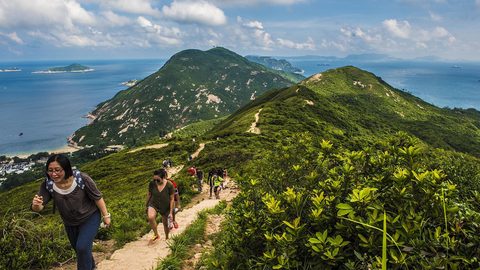 Hong Kong Weekends Hiking Trails Island Day Trips and Visitor Itineraries
Hong Kong's best escapes are minutes from the MTR: ridge hikes with harbour views, car-free islands with seafood, and fishing villages on stilts reachable in under an hour.
Hong Kong Weekends Hiking Trails Island Day Trips and Visitor Itineraries
Hong Kong's best escapes are minutes from the MTR: ridge hikes with harbour views, car-free islands with seafood, and fishing villages on stilts reachable in under an hour.
-
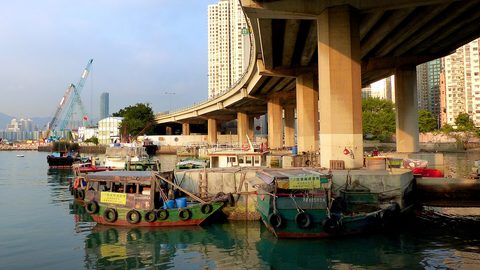 Best Time to Visit Hong Kong Weather Calendar and the Two Decisive Months
Hong Kong's best weather arrives from October to early December, with a secondary window in late March. Avoid Chinese New Year closures and the typhoon-prone summer.
Best Time to Visit Hong Kong Weather Calendar and the Two Decisive Months
Hong Kong's best weather arrives from October to early December, with a secondary window in late March. Avoid Chinese New Year closures and the typhoon-prone summer.
-
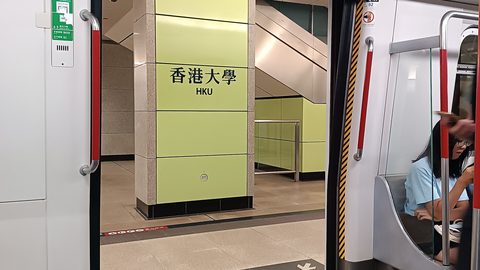 Getting Around Hong Kong MTR Octopus Minibuses and the Star Ferry
The MTR is the backbone of Hong Kong, but the Octopus card, minibuses, and exact-change rules on buses catch visitors out. Here is how to move without friction.
Getting Around Hong Kong MTR Octopus Minibuses and the Star Ferry
The MTR is the backbone of Hong Kong, but the Octopus card, minibuses, and exact-change rules on buses catch visitors out. Here is how to move without friction.
-
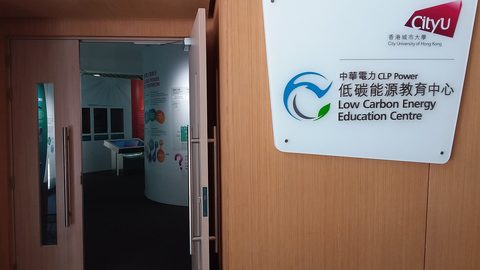 Kowloon Tong
 feels like a different Hong Kong: wide streets, low-rise houses with gardens, and a quiet hillside walk up Beacon Hill away from the Kowloon crush.
Kowloon Tong
Kowloon Tong feels like a different Hong Kong: wide streets, low-rise houses with gardens, and a quiet hillside walk up Beacon Hill away from the Kowloon crush.
-
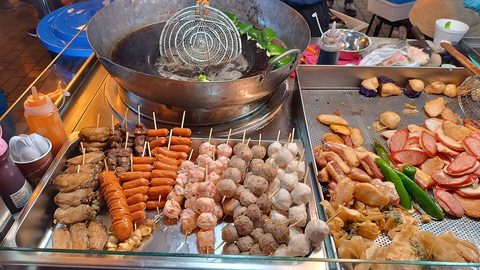 Jordan
 sits one stop north of Tsim Sha Tsui with cheaper hotels, the northern stretch of Temple Street Night Market, and a more local, working-class feel.
Jordan
Jordan sits one stop north of Tsim Sha Tsui with cheaper hotels, the northern stretch of Temple Street Night Market, and a more local, working-class feel.
-
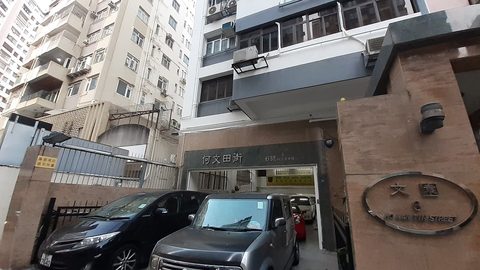 Ho Man Tin
 sits on the hillside above Mong Kok, a quiet residential pocket where wide streets, King's Park, and local dai pai dong offer a break from Kowloon's intensity.
Ho Man Tin
Ho Man Tin sits on the hillside above Mong Kok, a quiet residential pocket where wide streets, King's Park, and local dai pai dong offer a break from Kowloon's intensity.