Hong Kong Weather Year-Round and the Months That Decide When to Arrive
Hong Kong's best weather arrives from October to early December, with a secondary window in late March. Avoid Chinese New Year closures and the typhoon-prone summer.
The Best Month to Visit Hong Kong is November, and the Worst is August
November gives you an average high of 23.4°C, low of 19.1°C, just 37.6 mm of rain, and 69% relative moisture in the air. August delivers 31.1°C, 26.6°C, 444.2 mm of rain, 81% moisture levels, and the highest storm frequency of any month. That gap of 12 percentage points in dampness is the difference between a trip that feels effortless and one that drains you by 10am. If you can choose only one month, pick November.
October Through Early December: the Peak Window
Book the Autumn Sweet Spot
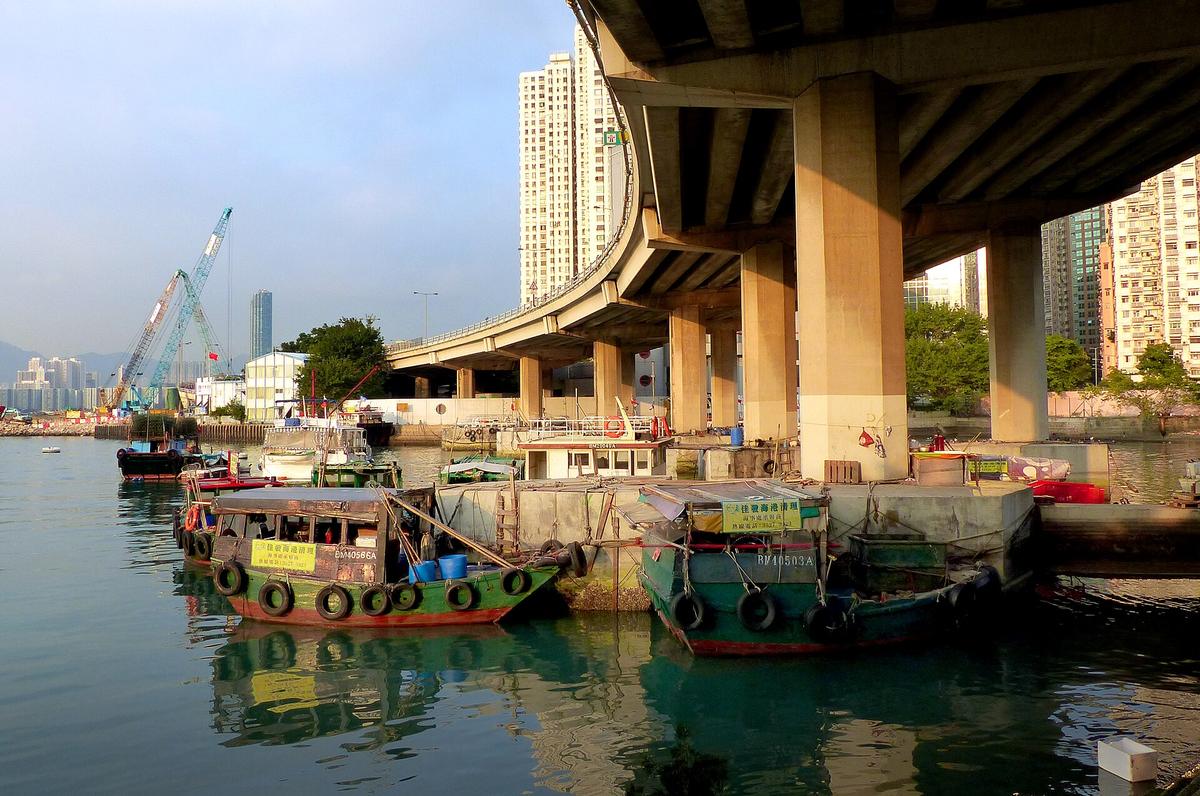
Autumn is Hong Kong's single best season. From October to December, average high temperatures range from 20.9°C to 27.7°C, lows from 15.9°C to 24.0°C, and monthly rainfall drops to between 26.8 mm and 100.9 mm. Moisture levels sit at 69% to 73%. Low enough that you can walk through Mong Kok or up to Victoria Peak without your shirt sticking to your back. Skies are clear. The view from the Peak Tram or the Tsim Sha Tsui Promenade actually delivers what the photos promise.
This is when outdoor plans are reliable. Hike the trails on Lamma Island. Ride the cable car to Tian Tan Buddha. Book a Sai Kung boat to Sharp Island. All work because the chance of a storm Signal 8 or a sudden downpour is near zero. Restaurants are fully open, including street stalls serving claypot rice with lap cheong, a cold-weather dish best eaten when the evening temperature drops to 19°C.
.jpg)
Late March to April: the Secondary Sweet Spot
Navigate the Spring Compromise
Spring is a compromise, but a workable one. March and April average 19.7°C to 24.7°C, with rainfall rising from 82.2 mm per month, and moisture levels hitting 78% to 83%. The problem here is wall condensation in residential flats, typical from February to April, and the mould season that follows from March to May. Your hotel will be fine. You will feel damp. The upside: crowds are manageable, flights are cheaper than autumn, and you can still do day trips to Cheung Chau or Lantau Island. Pack a light rain jacket.
Arrive by 08:30 at the Wong Tai Sin Temple to beat both the tour groups and the afternoon heat. Book advance tickets for the M+ Museum or Hong Kong Palace Museum. They sell out on weekends even in the shoulder season.
| Season | Months | Avg High | Avg Low | Rainfall Per Month | Humidity |
|---|---|---|---|---|---|
| Autumn | Oct Dec | 20.9 27.7°C | 15.9 24.0°C | 26.8 100.9 mm | 69 73% |
| Winter | Jan Feb | 18.6 19.7°C | 14.5 15.4°C | 24.7 40.6 mm | 74 77% |
| Spring | Mar May | 19.7 27.7°C | 15.4 23.1°C | 82.2 306.0 mm | 78 83% |
| Summer | Jun Sep | 30.2 31.4°C | 26.3 26.8°C | 376 456.1 mm | 79 81% |

The Three Windows You Should Avoid and Why
Chinese New Year Shutdowns
Chinese New Year, late January to mid-February, shuts many small restaurants and shops. In a city where some of the best meals come from a cha chaan teng or a roast goose specialist in Wan Chai, a week of closures means you are eating at hotel buffets or fast-food chains. Cross-border travel to Macau and mainland China becomes chaotic. Ferry terminals and border checkpoints run at capacity. Winter temperatures of 18.6°C to 19.7°C high and 14.5°C to 15.4°C low are pleasant, but the city is half-empty of the people who make it interesting.
Golden Week Gridlock
The first week of October and the first week of May coincide with mainland China's Golden Week holidays. Avoid Causeway Bay, Tsim Sha Tsui, and the Peak Tram queue. They become gridlocked. The Peak Tram line can exceed 90 minutes. The Star Ferry terminal fills shoulder to shoulder. If you arrive during these weeks, redirect your itinerary to neighborhoods that absorb crowds better: Sham Shui Po for electronics markets, Kennedy Town for waterfront restaurants, or the Ten Thousand Buddhas Monastery for a quiet climb.
Summer Storm Season
July through September is the storm heart. August alone has the highest cyclone frequency of the year. When Signal 8 is hoisted, the MTR runs limited service, buses and ferries suspend, flights cancel or delay, and most private-sector offices close. Even without a storm, summer averages 30.2°C to 31.4°C high, 26.3°C to 26.8°C low, and 79% to 81% moisture levels. The combination makes walking the 15 minutes from Sheung Wan to Central feel twice as long. Air conditioning indoors is aggressive. Carry a light layer year round. If you must travel in summer, stick to air-conditioned indoor activities: the Hong Kong Museum of History, the M+ Museum, Chi Lin Nunnery, and Nan Lian Garden.
What About Winter?
Winter, January to February, is mild and dry with just 24.7 mm of rain in January and 40.6 mm in February. Moisture levels stay at 74% to 77%. Temperatures are comfortable for walking. The catch: residential flats in Hong Kong have no heating. Your hotel will be heated, but the indoor-outdoor temperature swing is manageable with a mid-layer jacket. Winter is a fine backup if you cannot make autumn or spring, as long as you accept that dim sum houses will be busy and the sunset is before 6pm.
When To Visit For Food
Food-focused travellers should aim for October to early December or late March to April. Dim sum at a pushcart teahouse, roast goose with plum sauce, and wonton noodle soup are available year round, but the seasonal specialties matter. Claypot rice with lap cheong only makes sense in cooler months. Typhoon Shelter crab, garlic and chili heavy, is best eaten outside of summer when you can tolerate sitting on a Sai Kung terrace. Avoid Chinese New Year for the restaurant closures noted above.
When To Visit For Hiking
October to early December is the only window where the risk of a trail being closed by a Signal 3 or Signal 8 is negligible. The moisture level at 69% makes long climbs like the Dragon's Back or the trail to Ten Thousand Buddhas Monastery feel achievable. Spring hiking works if you start before 8am and accept 78% to 83% dampness. Do not hike in summer. The combination of 81% moisture and 31°C heat can cause heat exhaustion within 45 minutes of sustained uphill walking.
Common Questions
What is the weather like in Hong Kong in November?
November is the best month. Average high 23.4°C, low 19.1°C, rainfall 37.6 mm, moisture 69%. Clear skies, low dampness, and comfortable temperatures for walking and outdoor activities.
Should I visit Hong Kong in August?
No. August has the highest storm frequency, average high 31.1°C, 81% moisture, and 444.2 mm of rain. If August is your only window, expect Signal 8 disruptions and oppressive conditions.
Does Hong Kong have a rainy season?
Yes. June is the rainiest month with 456.1 mm. The wet season is May through September. Annual average rainfall is 2,398.5 mm. The driest month is January with 24.7 mm.
What happens during a Hong Kong typhoon?
Signal 8 closes most offices, suspends buses and ferries, and limits MTR service. Signal 10 shuts down all non-essential business and stops above-ground MTR sections. Flights cancel or delay at both signal levels.
Read next
-
 Hong Kong Hotels and Serviced Apartments Before a Lease
Serviced apartments in Wan Chai, Kennedy Town, and Sai Ying Pun compared for the six weeks before you sign a Hong Kong lease.
Hong Kong Hotels and Serviced Apartments Before a Lease
Serviced apartments in Wan Chai, Kennedy Town, and Sai Ying Pun compared for the six weeks before you sign a Hong Kong lease.
-
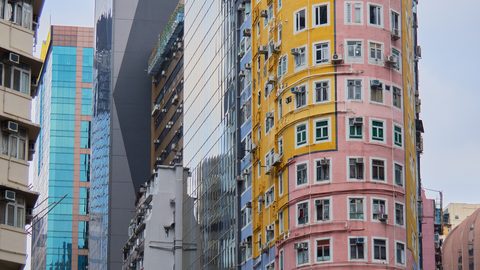 Where to Stay in Hong Kong a Shortlist of Districts Compared Honestly
Hong Kong districts vary wildly in rent, space, and commute reality. This shortlist compares where to stay based on what you actually get for your money.
Where to Stay in Hong Kong a Shortlist of Districts Compared Honestly
Hong Kong districts vary wildly in rent, space, and commute reality. This shortlist compares where to stay based on what you actually get for your money.
-
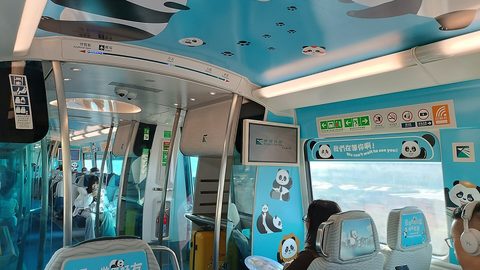 Hong Kong Flights, HKG Airport and the Airport Express
HKG to Central or Kowloon by Airport Express, taxi, or A-bus, plus how Hong Kong's in-town check-in makes it a strong flight hub.
Hong Kong Flights, HKG Airport and the Airport Express
HKG to Central or Kowloon by Airport Express, taxi, or A-bus, plus how Hong Kong's in-town check-in makes it a strong flight hub.
-
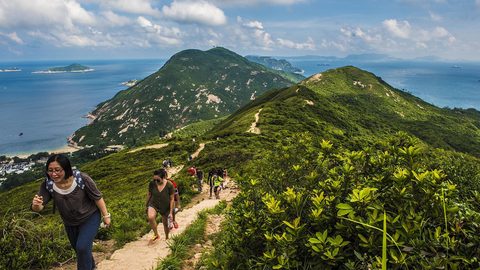 Hong Kong Weekends Hiking Trails Island Day Trips and Visitor Itineraries
Hong Kong's best escapes are minutes from the MTR: ridge hikes with harbour views, car-free islands with seafood, and fishing villages on stilts reachable in under an hour.
Hong Kong Weekends Hiking Trails Island Day Trips and Visitor Itineraries
Hong Kong's best escapes are minutes from the MTR: ridge hikes with harbour views, car-free islands with seafood, and fishing villages on stilts reachable in under an hour.
-
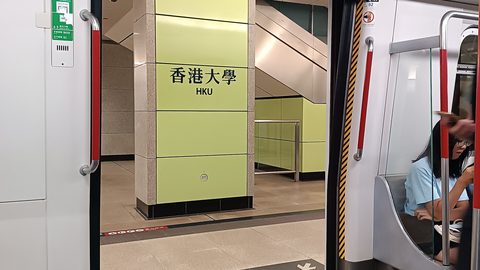 Getting Around Hong Kong MTR Octopus Minibuses and the Star Ferry
The MTR is the backbone of Hong Kong, but the Octopus card, minibuses, and exact-change rules on buses catch visitors out. Here is how to move without friction.
Getting Around Hong Kong MTR Octopus Minibuses and the Star Ferry
The MTR is the backbone of Hong Kong, but the Octopus card, minibuses, and exact-change rules on buses catch visitors out. Here is how to move without friction.
-
 Hong Kong Visa Routes Employment Dependants and Options Without a Job
Hong Kong offers several visa routes beyond standard employment sponsorship, including points-tested schemes and dependant visas that permit work without a separate application.
Hong Kong Visa Routes Employment Dependants and Options Without a Job
Hong Kong offers several visa routes beyond standard employment sponsorship, including points-tested schemes and dependant visas that permit work without a separate application.
-
 Hong Kong Expat Cost of Living Broken Down by Lifestyle Tier
Real annual costs for expats in Hong Kong: budget, comfortable, and premium tiers covering rent by district, school fees, domestic helpers, and flights home.
Hong Kong Expat Cost of Living Broken Down by Lifestyle Tier
Real annual costs for expats in Hong Kong: budget, comfortable, and premium tiers covering rent by district, school fees, domestic helpers, and flights home.
-
 How to Set Up Your Finances When You First Arrive in Hong Kong
Open the right bank account, set up Octopus and FPS, and avoid costly transfer fees. A practical money setup guide for new arrivals in Hong Kong.
How to Set Up Your Finances When You First Arrive in Hong Kong
Open the right bank account, set up Octopus and FPS, and avoid costly transfer fees. A practical money setup guide for new arrivals in Hong Kong.
-
 Mobile Plans, SIM Cards and Connectivity Costs for Expats in Hong Kong
Compare 3HK, SmarTone, and CMHK mobile plans for Hong Kong expats. Monthly costs, data tiers, prepaid vs contract, and tips on staying connected abroad.
Mobile Plans, SIM Cards and Connectivity Costs for Expats in Hong Kong
Compare 3HK, SmarTone, and CMHK mobile plans for Hong Kong expats. Monthly costs, data tiers, prepaid vs contract, and tips on staying connected abroad.