Central and Sheung Wan, Separated by One MTR Stop and a World of Rent and Pace
Central and Sheung Wan sit one MTR stop apart but offer two different Hong Kongs: one of glass finance and nightlife, the other of dried seafood, antiques, and slower streets.
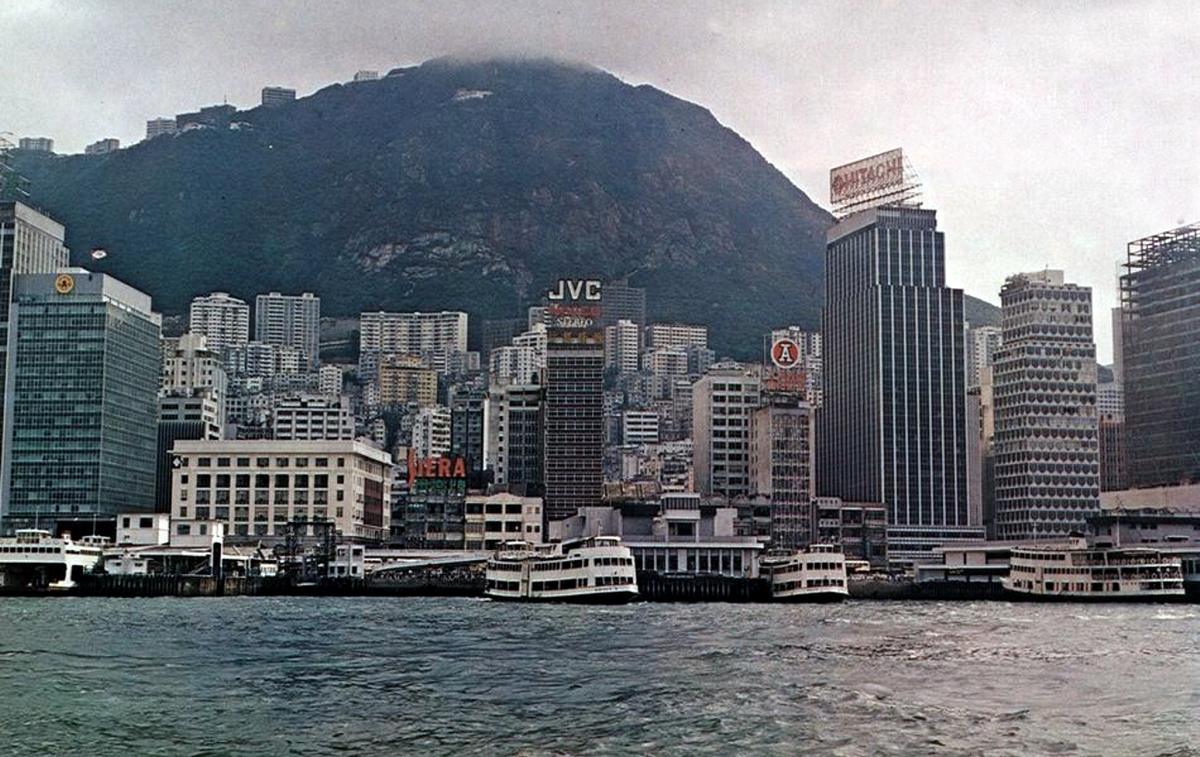

Central vs Sheung Wan Hong Kong: One MTR Stop Apart and a Different Life
You are choosing between two addresses on Hong Kong Island that look interchangeable on a map. They sit one MTR stop apart, an eight to fifteen minute walk from the dried seafood shops of Des Voeux Road West to the glass towers of Des Voeux Road Central. The rent gap is real and large. This comparison is not about saving money. It is about whether your front door opens onto a financial command centre or a neighbourhood that still smells like old wood and dried shrimp.
Pick Central if your commute is measured in seconds, you value a postal address that signals prestige, and you want 24-hour building services with direct lift access to an office tower. Pick Sheung Wan if you want a walkable commute, lower rent per square foot, independent food, and a pace that slows down after midnight instead of revving up.
| Axis | Central | Sheung Wan |
|---|---|---|
| Median Rent Per Sq Ft (Private Domestic, Class A-C, 2024 Full-Year Data, Rating and Valuation Department) | HKD 45-65 per sq ft/month | HKD 32-48 per sq ft/month |
| Walk Time to Office Core (Des Voeux Rd Central / Queen's Rd Central) | 0-8 minutes on foot | 8-15 minutes on foot |
| Typical Building Age (Private Housing) | 30-50+ years (1980s-1990s stock dominant) | 25-45+ years (mix of 1980s-2000s stock, more pre-war walk-ups retained) |
| Weekend Noise Peak (Fri-Sat) | 22:00-04:00, high (Lan Kwai Fong zone) | 19:00-00:00, moderate (Staunton-Gough-Po Hing Fong), drops sharply after midnight |
| Average Dinner Spend (SoHo vs Hillier-Gough-Tai Ping Shan) | HKD 400-800 per head, international cuisine dominant | HKD 200-500 per head, independent and local-Asian mix |
The Real Difference Shows Up on Foot
The Walk West Changes Everything
Start at the Central MTR exit by Exchange Square. You pass the Hong Kong Monetary Authority building, the glass curtain walls of One International Finance Centre, and the manicured pedestrian bridges that let finance workers move between towers without touching street level. By 9am the sidewalks are dense with suits moving at a pace that punishes hesitation. Every lobby blasts air conditioning. The street noise is traffic and jackhammers.
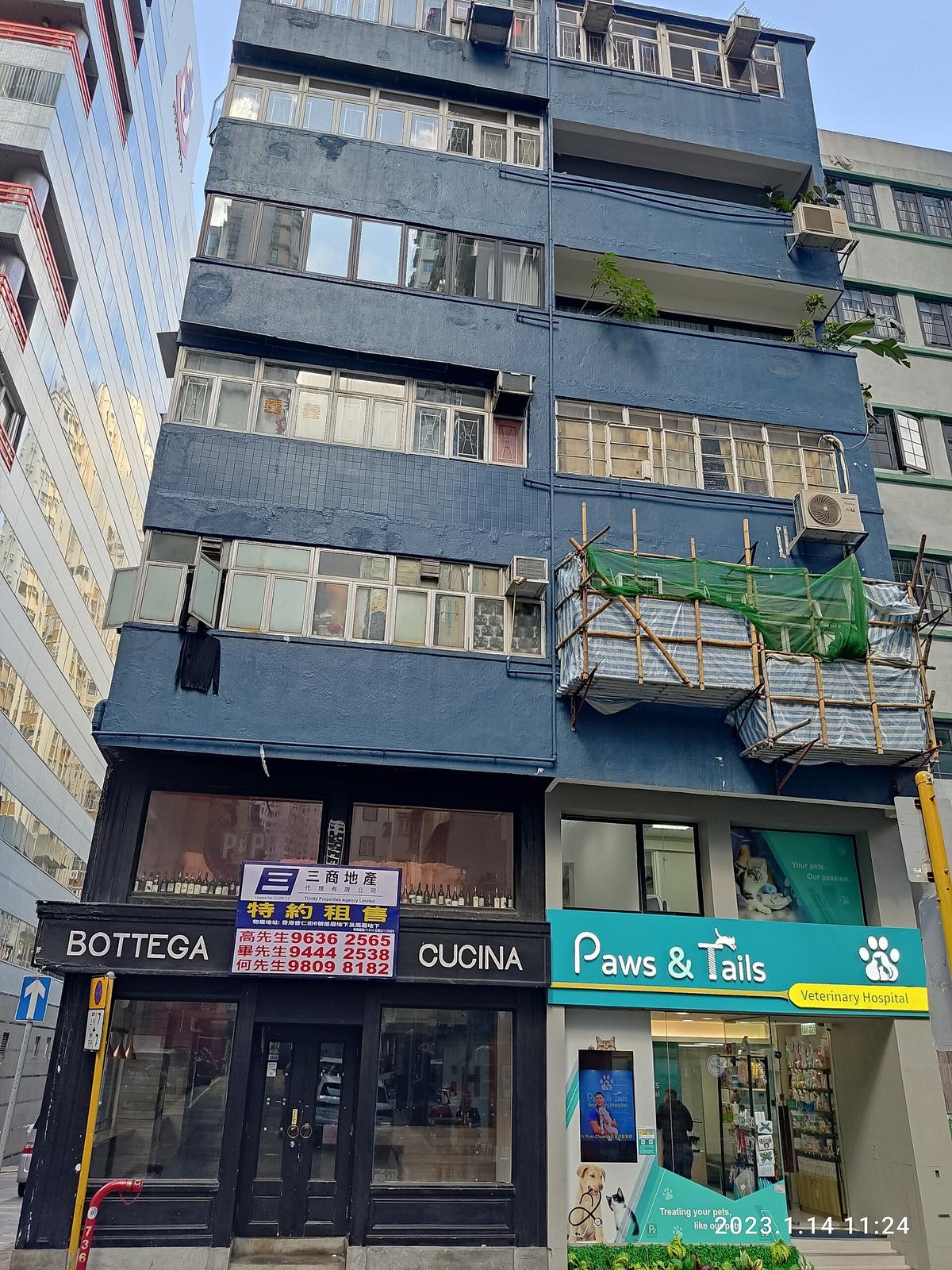
Cross into Sheung Wan at the junction of Des Voeux Road Central and Des Voeux Road West. The building stock shifts immediately. Pre-war walk-ups with laundry hanging from bamboo poles sit next to 1990s residential towers. Ground-floor shops sell dried scallops, fish maw, and ginseng in bulk. The smell is saline and medicinal. By 9am the foot traffic is older, slower, and carrying shopping bags. The pace demands nothing from you.
Man Mo Temple Changes The Atmosphere
At the top of the escalator on Hollywood Road, Man Mo Temple sits tucked behind a stone facade on Tai Ping Shan Street. Incense coils hang from the ceiling, thick enough to have stained the wooden beams black. This is not a quiet refuge. It is a working temple where residents come to pray and fortune tellers operate on the pavement outside. The contrast with Central is not subtle. Five minutes on foot separates a temple built in the 1840s from the air-conditioned atrium of The Landmark.
Lan Kwai Fong vs Po Hing Fong: Two Nighttime Speeds
On a Friday at 11pm, Central's Lan Kwai Fong is at peak noise. Bars spill onto the street. The crowd is young and drunk. Music competes across open doorways and police manage the flow on peak nights. The noise does not drop until 4am.
Walk ten minutes west to Po Hing Fong in Sheung Wan. The same Friday at 11pm, the crowd is smaller, older, and seated. Restaurants on Gough Street and Tai Ping Shan Street serve natural wine and small plates. By midnight the street is quiet. The trade-off is not intensity versus boredom. Sheung Wan's nightlife peaks early and ends early. Central's peaks late and keeps going.
Rent, Noise, and the Trade Off You Actually Make
The 25-40% rent premium in Central buys one thing that cannot be replicated: a commute measured in single-digit minutes. Live in a residential tower above an office tower and you never need an umbrella. Building services run 24 hours. The address carries prestige signalling that matters in certain industries.
In Sheung Wan you pay less per square foot and walk eight to fifteen minutes to the same office core. The buildings are older. Many lack a doorman or a lift that works every time. The address carries lower prestige but higher cachet among creative and tech professionals. The trade-off is not financial. It is about what kind of street you want to walk home on at 10pm.
Air conditioning is aggressive in both districts. Indoor temperatures in summer drop to 18 degrees Celsius in shops and offices. Carry a light layer year-round. Pavements in Sheung Wan are narrower and more uneven than in Central, and scaffolding blocks sidewalks without warning. Walking takes longer than Google Maps predicts. This is true of both districts, but Central's pedestrian bridges and underpasses make it slightly less frustrating.

Worth it if
- Choose Sheung Wan if you want lower rent, independent food, and a neighbourhood that feels like old Hong Kong with cafes. The walk to Central is eight to fifteen minutes. Noise drops after midnight.
- Choose Central if your commute must be under five minutes, you need 24-hour building services, and the prestige of the address matters for work or leasing. The food is international and expensive.
Skip it if
- Skip Sheung Wan if you need a doorman, a modern elevator, or a street address that impresses corporate clients. The buildings are older and the walk to the office core is real.
- Skip Central if you want character, independent shops, or a slower pace. Rent is 25-40% higher and weekend noise in the Lan Kwai Fong zone peaks from 10pm to 4am.
Common Questions
Is Sheung Wan safe at night?
Yes. Hong Kong is safe across all central districts. Sheung Wan's streets are well lit and foot traffic continues until around midnight on weekends. The area around Po Hing Fong and Tai Ping Shan Street is quieter but not dangerous.
Which district has better food, Central or Sheung Wan?
It depends on what you want. Central's SoHo area (Staunton to Elgin Street) offers mid- to high-price international dining, average dinner spend HKD 400-800 per head. Sheung Wan's Hillier, Gough, and Tai Ping Shan area offers independent and local Asian restaurants at HKD 200-500 per head, plus the dried seafood shops on Des Voeux Road West where you buy ingredients, not meals.
How much cheaper is Sheung Wan rent than Central?
According to the Rating and Valuation Department's 2024 full-year data, median residential rent for private domestic flats (Class A-C) in Central was HKD 45-65 per square foot per month. In Sheung Wan it was HKD 32-48 per square foot per month. That is a 25-40% premium for Central.
Can I walk from Sheung Wan to Central easily?
Yes. Walk time from Sheung Wan to the Central office core (Des Voeux Road Central or Queen's Road Central) is 8 to 15 minutes on foot. The route is flat along the main roads. From Central to the same office core is 0 to 8 minutes on foot.
Which district is better for families?
Neither is ideal for families due to tight flats and street noise. Sheung Wan has more older walk-ups without lifts, which is difficult with a pram. Central has newer towers with building services but less green space. Both districts suit singles or couples without children better.
What is the noise difference on weekends?
Central's Lan Kwai Fong zone peaks Friday and Saturday from 10pm to 4am at a high level. Sheung Wan's bar and restaurant area (Staunton, Gough, and Po Hing Fong) peaks Friday and Saturday from 7pm to midnight at a moderate level, then drops sharply after midnight.
Should I stay in Central or Sheung Wan as a tourist?
Neither. The comparison is for residents choosing a neighbourhood, not for tourists picking a hotel. For a short trip, stay near Tsim Sha Tsui for harbour views or in Wan Chai for access to both Hong Kong Island and Kowloon. Central and Sheung Wan hotel rates are high for what you get.
Read next
-
 Hong Kong Expat Cost of Living Broken Down by Lifestyle Tier
Real annual costs for expats in Hong Kong: budget, comfortable, and premium tiers covering rent by district, school fees, domestic helpers, and flights home.
Hong Kong Expat Cost of Living Broken Down by Lifestyle Tier
Real annual costs for expats in Hong Kong: budget, comfortable, and premium tiers covering rent by district, school fees, domestic helpers, and flights home.
-
 How to Set Up Your Finances When You First Arrive in Hong Kong
Open the right bank account, set up Octopus and FPS, and avoid costly transfer fees. A practical money setup guide for new arrivals in Hong Kong.
How to Set Up Your Finances When You First Arrive in Hong Kong
Open the right bank account, set up Octopus and FPS, and avoid costly transfer fees. A practical money setup guide for new arrivals in Hong Kong.
-
 Mobile Plans, SIM Cards and Connectivity Costs for Expats in Hong Kong
Compare 3HK, SmarTone, and CMHK mobile plans for Hong Kong expats. Monthly costs, data tiers, prepaid vs contract, and tips on staying connected abroad.
Mobile Plans, SIM Cards and Connectivity Costs for Expats in Hong Kong
Compare 3HK, SmarTone, and CMHK mobile plans for Hong Kong expats. Monthly costs, data tiers, prepaid vs contract, and tips on staying connected abroad.
-
 Where Hong Kong Expats Actually Spend Their Evenings and Weekends
How expats in Hong Kong actually spend their free time. Hiking groups, waterfront bars, beach clubs, and the Happy Valley racing ritual with real costs.
Where Hong Kong Expats Actually Spend Their Evenings and Weekends
How expats in Hong Kong actually spend their free time. Hiking groups, waterfront bars, beach clubs, and the Happy Valley racing ritual with real costs.