Hong Kong Island Versus Kowloon: The First Decision Argued Properly
The real trade-offs between living on Hong Kong Island or in Kowloon, from rent to commute to food.
.jpg)
Hong Kong Island Versus Kowloon: the First Decision Argued Properly
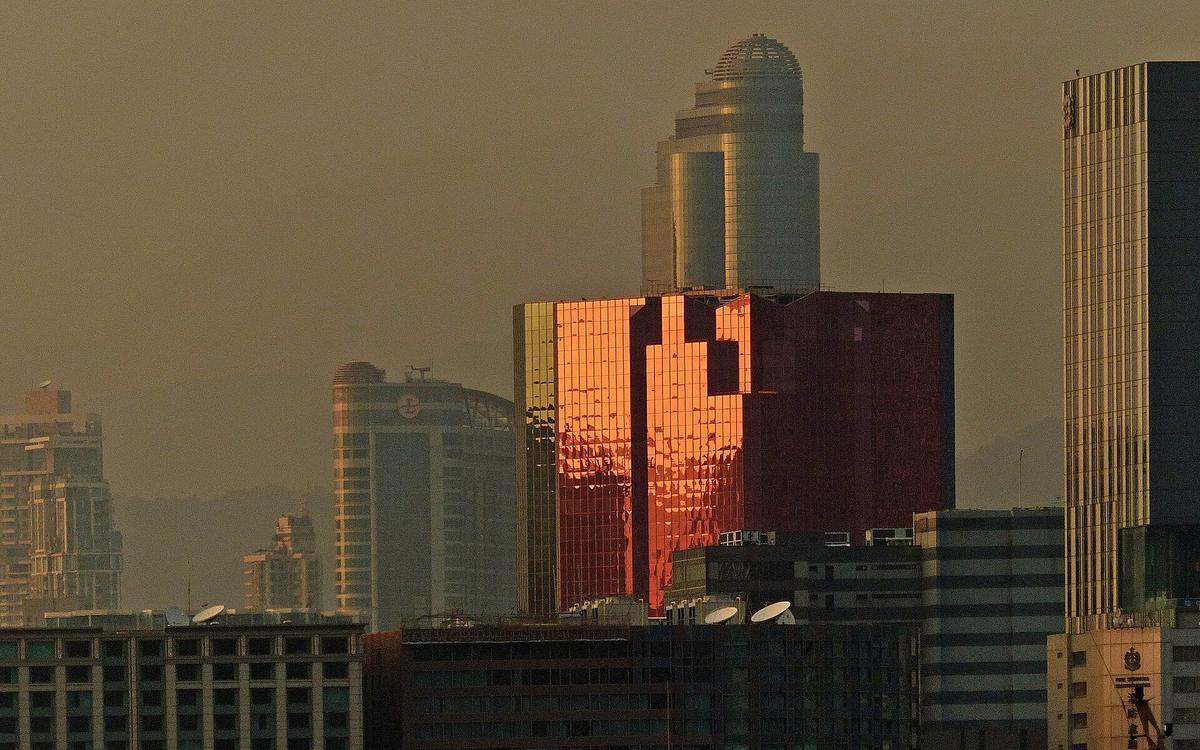
You have a job offer, a shortlist of apartments, and a gnawing suspicion that the real choice is not about price alone. It is about whether you want to wake up to a harbour view you can walk across in minutes, or to a street market that spills into its own weekend. The decision between Hong Kong Island and Kowloon is the first big one a new arrival makes, and the lazy split , Island for expats, Kowloon for the real city , gets the trade-offs exactly backwards. Here is the proper argument.
| Factor | Hong Kong Island | Kowloon |
|---|---|---|
| Mid-Tier Rent Per Sq Ft (Monthly) | HKD 35–55 | HKD 28–45 |
| Luxury Rent Per Sq Ft (Monthly) | HKD 60–100+ | HKD 45–75 |
| Rent Gap vs Kowloon | 20–35% higher | Baseline |
| Typical Expat Apartment Size | 400–900 sq ft net | 500–1,200 sq ft net |
| Building Age (Prime Stock) | 10–40 years | 5–30 years |
| Green Space Share | 40–50% of land | 10–15% of land |
| Population Density | 16,000–17,000 per sq km | 43,000–45,000 per sq km |
| PM2.5 Annual Mean | 12–18 µg/m³ | 15–22 µg/m³ |
| Commute to Central (Door to Door) | 15–40 minutes | 20–55 minutes |
| Late-Night Dining Density | High in Central, Wan Chai, Causeway Bay | High in Tsim Sha Tsui, Mong Kok, Yau Ma Tei |
| Michelin-Starred Restaurants | 40–50 | 15–25 |
| Expat Households | 50–60% | 20–30% |
| International Schools | 20–25 | 10–15 |
| Major Malls | 20–30 | 30–40 |
| Licensed Hawker Stalls | 1,000–2,000 | 3,000–4,000 |
The Real Divide is Not Expat Versus Local. it is Vertical Versus Horizontal.
The tired cliché says expats land on the Island and locals stay in Kowloon. The data says otherwise: 50 to 60 percent of expat households are on Hong Kong Island, but 20 to 30 percent are in Kowloon , a meaningful minority that refuses the stereotype. The actual axis is space versus convenience, street life versus green escape, new builds versus older stock.
Kowloon is the denser side by a wide margin: 43,000 to 45,000 people per square kilometre against the Island's 16,000 to 17,000. That density delivers what no guidebook adequately warns you about: an unbroken texture of street markets, hawker stalls, and neon. Licensed hawker stalls number 3,000 to 4,000 in Kowloon, double the Island's count. Restaurant density in Mong Kok runs 200 to 300 per square kilometre. If your idea of a good Saturday is eating your way through a wet market, buying electronics in Sham Shui Po, and ending at Temple Street Night Market, Kowloon is the better choice before you consider price.
Hong Kong Island trades density for access to green space. Forty to 50 percent of the Island's land is green space; in Kowloon, it is 10 to 15 percent. The Peak, the Pok Fu Lam Country Park trails, Dragon's Back, and the coastal path from Kennedy Town to the Western District are all on your doorstep. You pay for that: a 20 to 35 percent rent premium over comparable Kowloon flats, and you get less net square footage , 400 to 900 square feet against Kowloon's 500 to 1,200 for expat rentals.
What Commuting Actually Costs
If your office is in Central, Admiralty, Wan Chai, Causeway Bay, Quarry Bay, or Taikoo, the Island wins on time. A door to door commute from Mid Levels takes 15 to 25 minutes. From West Kowloon, it is 25 to 40. From Kowloon Tong, 35 to 50. The Tsuen Wan Line runs at 100 to 110 percent of seated capacity in the morning peak across the harbour. The East Rail Line hits 90 to 100 percent. You will stand. You will be warm. The MTR crossing from Tsim Sha Tsui to Central is five to six minutes, and the Star Ferry is six to eight minutes for HKD 4 to 6.50. But if you work in Kowloon , and 20 to 25 percent of Grade A office stock is now in Kowloon, concentrated in Tsim Sha Tsui, Kowloon Bay, Kwun Tong, and West Kowloon , then living on the Island adds that harbour crossing twice a day. That is the real question: which side holds your job.
Rent and What You Actually Get
Kowloon mid tier runs HKD 28 to 45 per square foot per month. Hong Kong Island mid tier runs HKD 35 to 55. The gap narrows on new builds: West Kowloon new developments hit HKD 40 to 60 per square foot, while Mid Levels older stock sits at HKD 35 to 50. The difference is not just money. Kowloon's newer stock is younger by a decade: 5 to 30 years old in Kowloon, 10 to 40 years on the Island. New supply is concentrated in West Kowloon, Kai Tak, and Ho Man Tin. On the Island, supply is limited and mostly redevelopments. You also get clubhouses: 80 to 90 percent of new Kowloon developments include one, while 60 to 70 percent of older Island buildings have none. If you want a pool, a gym, and a doorman, Kowloon's newer towers deliver. If you want a prewar walk up with original floor tiles and a view of the South China Sea, you stay on the Island.
Nightlife, Food, and the Hours After Midnight
Hong Kong Island holds the concentration of high end dining , 40 to 50 Michelin starred restaurants against Kowloon's 15 to 25 , and the bars: 80 to 100 in Lan Kwai Fong alone, plus 20 to 30 nightclubs. Wan Chai keeps 50 to 80 restaurants open past midnight. Kowloon's nightlife cluster is smaller: Knutsford Terrace and Ashley Road hold 20 to 30 bars, and Kowloon has 5 to 10 nightclubs. But Kowloon wins on street food, wet markets, and late night eating that does not require a reservation. Mong Kok, Yau Ma Tei, and Sham Shui Po are where you find egg waffles at 1 AM, claypot rice over charcoal, and typhoon shelter crab that costs half what it would in a Wan Chai seafood house. The MTR last train from Tsim Sha Tsui to Central runs until 00:55; from Central to Tsim Sha Tsui until 01:00. After that, taxis cost HKD 100 to 150 across the harbour in peak traffic, or HKD 80 to 120 off peak, plus a HKD 25 to 50 return toll. A Star Ferry monthly ticket costs HKD 160 to 200. The harbour does not cut you off, but it does cost time and money.
Kowloon Wins for Food, Space, and Value. the Island Wins for Green and Proximity.
Population density in Kowloon means you are never more than a 10 to 20 minute walk from a playground or park, but the island puts one within 5 to 10 minutes in most residential areas. Air quality is marginally worse in Kowloon: PM2.5 annual mean of 15 to 22 µg/m³ against the Island's 12 to 18. The difference is noticeable on bad days, but not dramatic.
The practical split works like this. If your job is in Central, your evenings involve Soho or Wan Chai, you hike most weekends, and you can stomach a higher rent for a smaller flat that is older: live on Hong Kong Island. Pick Kennedy Town for a local feel and waterfront access without the Peak premium. Pick Sheung Wan for hip cafes and antique shops a 10 minute walk from Central. Pick Mid Levels for a 15 to 25 minute walk to your desk but prepare for stairs and escalators. If your job is in Kowloon, you need more space for the money, you eat street food twice a week, and you want a newer building with a clubhouse: live in Kowloon. Pick West Kowloon for the M+ museum and harbourfront. Pick Ho Man Tin for new builds and good local schools. Pick Tsim Sha Tsui if you want the harbour view without the Island price tag.
Worth it if
- Hong Kong Island: 15 to 25 minute commute to Central, 40 to 50 percent green space, 80 to 100 bars in Lan Kwai Fong, 40 to 50 Michelin starred restaurants.
- Hong Kong Island: Access to Victoria Peak, Dragon's Back, Pok Fu Lam trails, plus a 5 to 10 minute walk to a park in most residential areas.
- Kowloon: 20 to 35 percent lower rent per square foot, larger apartments (500 to 1,200 sq ft net), newer buildings (5 to 30 years), clubhouses in 80 to 90 percent of new developments.
- Kowloon: 3,000 to 4,000 licensed hawker stalls, extreme density of street food and wet markets, the Temple Street and Ladies' Market experience.
- Kowloon: Higher new supply in West Kowloon, Kai Tak, and Ho Man Tin, giving you more choice in modern buildings with lifts and parking.
Skip it if
- Hong Kong Island: Rent premium of 20 to 35 percent over Kowloon, smaller flats, older prime stock (10 to 40 years), clubhouses absent in 60 to 70 percent of older buildings.
- Hong Kong Island: Limited new supply, mostly redevelopments, car park spaces cost HKD 2.5 to 4.5 million (double Kowloon's range).
- Kowloon: 10 to 15 percent green space, 43,000 to 45,000 people per square kilometre, air quality marginally worse at 15 to 22 µg/m³ PM2.5.
- Kowloon: Commute to Central of 20 to 55 minutes, bus or MTR required, plus cross harbour MTR lines hit 100 to 110 percent seated capacity in peak.
- Kowloon: Fewer Michelin starred restaurants (15 to 25), smaller nightlife cluster (20 to 30 bars, 5 to 10 nightclubs), no large expat social clubs.

Common Questions
Is it true that expats only live on Hong Kong Island?
No. 50 to 60 percent of expat households are on the Island, but 20 to 30 percent live in Kowloon. West Kowloon, Ho Man Tin, Kowloon Tong, and Tsim Sha Tsui all have substantial expat communities, particularly in newer buildings with clubhouses.
How much more expensive is Hong Kong Island for rent?
20 to 35 percent higher than comparable Kowloon flats. Mid tier on the Island runs HKD 35 to 55 per square foot per month; in Kowloon, HKD 28 to 45. Luxury on the Island runs HKD 60 to 100 plus; in Kowloon, HKD 45 to 75.
Which side has better food for a food focused traveller?
Kowloon, for street food, wet markets, and late night eating. Mong Kok has 200 to 300 restaurants per square kilometre. Tsim Sha Tsui, Yau Ma Tei, and Sham Shui Po hold most of the city's 3,000 to 4,000 licensed hawker stalls. Hong Kong Island has more Michelin starred restaurants and higher end dining.
How long does it take to cross the harbour by MTR?
Tsim Sha Tsui to Central takes 5 to 6 minutes on the Tsuen Wan Line. Mong Kok to Central takes 12 to 15 minutes. Kowloon Tong to Central takes 15 to 18 minutes. The Star Ferry takes 6 to 8 minutes and costs HKD 4 to 6.50.
Which side has more green space and outdoor access?
Hong Kong Island, where 40 to 50 percent of land is green space. Kowloon has only 10 to 15 percent. The Peak, Dragon's Back, and Pok Fu Lam trails are on the Island. Kowloon's main green areas are Kowloon Park, Nam Shan Park, and the Lion Rock Country Park on its northern edge.
If I work in Kowloon, should I still live on Hong Kong Island?
Only if you are willing to add a harbour crossing twice a day. Door to door from the Island to a Kowloon office runs 35 to 55 minutes. From within Kowloon, it is 20 to 40 minutes. The cross harbour MTR lines operate at 100 to 110 percent seated capacity in the morning peak, and taxi fares run HKD 100 to 150 in peak traffic.
Which side is better for families with school aged children?
Hong Kong Island has 20 to 25 international schools, including Island School and Hong Kong International School, with bus coverage of 90 to 100 percent of expat areas. Kowloon has 10 to 15, including King George V School, with 80 to 90 percent bus coverage. School bus travel time from Kowloon to Island schools runs 45 to 75 minutes one way; from within the Island, 20 to 45 minutes.
Read next
-
 Hong Kong Expat Cost of Living Broken Down by Lifestyle Tier
Real annual costs for expats in Hong Kong: budget, comfortable, and premium tiers covering rent by district, school fees, domestic helpers, and flights home.
Hong Kong Expat Cost of Living Broken Down by Lifestyle Tier
Real annual costs for expats in Hong Kong: budget, comfortable, and premium tiers covering rent by district, school fees, domestic helpers, and flights home.
-
 How to Set Up Your Finances When You First Arrive in Hong Kong
Open the right bank account, set up Octopus and FPS, and avoid costly transfer fees. A practical money setup guide for new arrivals in Hong Kong.
How to Set Up Your Finances When You First Arrive in Hong Kong
Open the right bank account, set up Octopus and FPS, and avoid costly transfer fees. A practical money setup guide for new arrivals in Hong Kong.
-
 Mobile Plans, SIM Cards and Connectivity Costs for Expats in Hong Kong
Compare 3HK, SmarTone, and CMHK mobile plans for Hong Kong expats. Monthly costs, data tiers, prepaid vs contract, and tips on staying connected abroad.
Mobile Plans, SIM Cards and Connectivity Costs for Expats in Hong Kong
Compare 3HK, SmarTone, and CMHK mobile plans for Hong Kong expats. Monthly costs, data tiers, prepaid vs contract, and tips on staying connected abroad.
-
 Where Hong Kong Expats Actually Spend Their Evenings and Weekends
How expats in Hong Kong actually spend their free time. Hiking groups, waterfront bars, beach clubs, and the Happy Valley racing ritual with real costs.
Where Hong Kong Expats Actually Spend Their Evenings and Weekends
How expats in Hong Kong actually spend their free time. Hiking groups, waterfront bars, beach clubs, and the Happy Valley racing ritual with real costs.