What It’s Really Like to Live in Tai Po
A practical look at renting in Tai Po, from market town flats above the MTR to village houses in Lam Tsuen Valley and the daily commute to Central.
What It’s Really Like to Live in Tai Po
You are choosing between a 400-square-foot flat in a 30-storey tower next to the MTR and a 2,100-square-foot village house with a roof terrace and a garden full of frogs. The answer is not obvious. The village house costs less per square foot than any comparable space in Hong Kong, but it comes with a commute that fails if you miss the last bus. The flat costs more for less floor area, but you can walk to the train in four minutes and buy fresh fish at the market on the way home. This is the real trade-off in Tai Po, and it matters more than any listing photo or rental spreadsheet will tell you.
The Village House: Space You Cannot Find Anywhere Else
A 2,100-square-foot village house in the Lam Tsuen Valley or along Ting Kok Road costs HKD 35,000 to 50,000 per month unfurnished in 2026. That price buys three storeys, a private rooftop, outdoor space, and a gross floor area that would cost HKD 18 to 22 million in Mid-Levels for an 800-square-foot flat. The purchase price for a 2,100-square-foot village house in the Ting Kok Road area runs HKD 12 to 15 million as of 2026. At roughly HKD 5,700 to 7,100 per square foot, you are buying floor space at one-quarter the cost of a Mid-Levels apartment.
What The Estate Agent Does Not Show You
The green minibus to Tai Po Market MTR station is the only reliable link between the village houses and the railway. The last service from the station back to Ting Kok or Lam Tsuen Valley runs around 23:30, sometimes earlier on Sundays. Work late or go out in Kowloon and you lose the connection. A taxi from Tai Po Market to Ting Kok costs about HKD 60 at night. It adds time and the drivers are not always lined up at that hour. Damp is a constant problem in village houses. Ground-floor walls wick moisture from the soil. Dehumidifiers run year-round. Insects come with the territory. You will share the kitchen with geckos and the living room with mosquitoes. Families with young children find this tolerable. Couples who want a weekend retreat love it. Anyone who needs a polished, low-maintenance interior should stay in town.
Who Should Rent A Village House
Expat families with two or more children find the space-to-cost ratio impossible to beat on Hong Kong Island. The established community in Tai Po means you are not isolated. Malvern College Hong Kong in Science Park is a 15-minute bus ride. Norwegian International School on Kam Shan Road is even closer. The cycling route from town to the Plover Cove Reservoir main dam is 4 kilometres along the waterfront park and Cycling Track No. 10. Finish work, ride to the dam, and be home before dark. If your daily priority is floor space, not polish, the village house wins.


The Town Centre Flat: Convenience at a Price
Tai Po Centre, Plover Cove Garden, and Jade Plaza sit within a five-minute walk of the MTR station. A 500-square-foot two-bedroom flat in Tai Po Centre costs HKD 5.5 to 7 million to buy in 2026, or HKD 16,000 to 20,000 per month to rent. A three-bedroom unit at 550 to 700 square feet runs HKD 7.5 to 10 million to buy, or HKD 22,000 to 30,000 per month to rent. You get less than half the square footage of a village house for roughly the same rent. You also get dry walls, sealed windows, and a lift.
The Commute You Actually Use
Tai Po Market to Kowloon Tong is 18 minutes on the East Rail line. To Hung Hom it is 25 minutes. To Admiralty, via the cross-harbour extension, it is 32 minutes. Morning peak trains run every 2.5 to 3 minutes in 2026. That sounds fast until you board a train that exceeds 4 passengers per square metre standing density at 08:15. The crush from Tai Po Market through to Kowloon Tong is real. You will stand the whole way. The trade-off is that you walk out of your building and onto the platform in under 10 minutes total. No bus. No damp. No insect spray.
What You Gain In Town
Tai Po Hui Market at 10 Heung Sze Wui Street operates from 06:00 to 20:00 daily. Walk there in sandals at 07:30, buy a chicken and vegetables for dinner, and be home by 08:00. The waterfront park is a two-minute walk from most town-centre buildings. The cycling path to Plover Cove starts at the waterfront. You will hear traffic. You will hear neighbours through the walls. You will have no garden. But you will never miss the last bus, and your floors will stay dry.
The Commute Reality No One Mentions
The East Rail line timetable is the detail that breaks the village house fantasy. A typical expat resident leaves for work between 08:00 and 08:45. They return between 18:30 and 19:30. The bus from the village to the station runs on a fixed schedule, not a turn-up-and-go one. Miss the 08:10 departure and the next one comes at 08:25. You then arrive at the platform at 08:32 during the peak of peak hours. The ride to Kowloon Tong stretches because you wait for a second train. You reach your desk late, consistently. After six months, you either shift your schedule to the 07:30 bus or you move to town. The evening return is worse. Dinner in Tai Po town or Tai Mei Tuk is a common routine. That means a second journey on the bus or a taxi back to the village. The last service from town to the villages is the single most important number in your rental decision. Get it from the transport company directly before you sign anything. Do not trust the landlord’s estimate.


The Real Reasons People Stay in Tai Po
Families who have tried both stay because the space-to-cost ratio on Hong Kong Island is unattainable. Access to cycling, hiking, and Plover Cove within 15 minutes of the front door keeps people from moving back to Kowloon. The established expat community reduces the isolation that comes with living in a rural area. But none of these reasons fix the damp in village houses or the train crush in the morning. The honest position is this: Tai Po works brilliantly for people who want a project home with huge space and are willing to manage the commute. It works for people in town who want a clean, easy base and accept the noise and the smaller rooms. The wrong choice is the one that looks better on paper but does not match how you actually live your evenings and mornings.
Common Questions
How much does a village house rent for in Tai Po in 2026?
A 2,100-square-foot village house in Ting Kok or Lam Tsuen Valley rents unfurnished for HKD 35,000 to 50,000 per month as of 2026. The price depends on the specific road, the condition of the house, and whether it has a covered parking space.
What is the commute like from Tai Po village to Central?
The bus to Tai Po Market station takes 10 to 15 minutes. East Rail line to Admiralty is 32 minutes. Total door-to-door time is about 60 minutes if the connection works. Miss the last bus home and you add a taxi or a longer wait.
Is Tai Po Centre cheaper than a village house?
A 500-square-foot two-bedroom in Tai Po Centre rents for HKD 16,000 to 20,000 per month, comparable to a village house on the low end. But you get one-quarter the space. The value proposition is the opposite: you pay for convenience, not square footage.
What are the downsides of a village house in Tai Po?
Damp on ground floors requires dehumidifiers. Insects including mosquitoes and geckos are constant. The bus service ends around 23:30. Taxis from the station to the villages are reliable at night but add cost and time to every late return.
Read next
-
 Eating in Tai Po Market the Cooked Food Centre and Village Food
A guide to eating in Tai Po, from the legendary cooked food centre atop the Hui market to the village restaurants in Lam Tsuen and Tai Mei Tuk.
Eating in Tai Po Market the Cooked Food Centre and Village Food
A guide to eating in Tai Po, from the legendary cooked food centre atop the Hui market to the village restaurants in Lam Tsuen and Tai Mei Tuk.
-
 Hong Kong First Arrival Guide From Airport to Understanding the City
Hong Kong rewards those who treat it as a series of distinct neighbourhoods rather than a single city centre. Here is the geography and rhythm every newcomer needs.
Hong Kong First Arrival Guide From Airport to Understanding the City
Hong Kong rewards those who treat it as a series of distinct neighbourhoods rather than a single city centre. Here is the geography and rhythm every newcomer needs.
-
 Hong Kong Hotels and Serviced Apartments Before a Lease
Serviced apartments in Wan Chai, Kennedy Town, and Sai Ying Pun compared for the six weeks before you sign a Hong Kong lease.
Hong Kong Hotels and Serviced Apartments Before a Lease
Serviced apartments in Wan Chai, Kennedy Town, and Sai Ying Pun compared for the six weeks before you sign a Hong Kong lease.
-
 Where to Stay in Hong Kong a Shortlist of Districts Compared Honestly
Hong Kong districts vary wildly in rent, space, and commute reality. This shortlist compares where to stay based on what you actually get for your money.
Where to Stay in Hong Kong a Shortlist of Districts Compared Honestly
Hong Kong districts vary wildly in rent, space, and commute reality. This shortlist compares where to stay based on what you actually get for your money.
-
 Hong Kong Flights, HKG Airport and the Airport Express
HKG to Central or Kowloon by Airport Express, taxi, or A-bus, plus how Hong Kong's in-town check-in makes it a strong flight hub.
Hong Kong Flights, HKG Airport and the Airport Express
HKG to Central or Kowloon by Airport Express, taxi, or A-bus, plus how Hong Kong's in-town check-in makes it a strong flight hub.
-
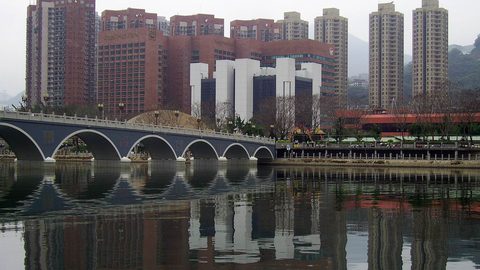 Tai Po vs Sha Tin Hong Kong New Town Comparison for Living
Decide between Sha Tin's polished malls and Tai Po's old market character with this direct comparison of two East Rail Line new towns in Hong Kong.
Tai Po vs Sha Tin Hong Kong New Town Comparison for Living
Decide between Sha Tin's polished malls and Tai Po's old market character with this direct comparison of two East Rail Line new towns in Hong Kong.
-
 Hong Kong Expat Cost of Living Broken Down by Lifestyle Tier
Real annual costs for expats in Hong Kong: budget, comfortable, and premium tiers covering rent by district, school fees, domestic helpers, and flights home.
Hong Kong Expat Cost of Living Broken Down by Lifestyle Tier
Real annual costs for expats in Hong Kong: budget, comfortable, and premium tiers covering rent by district, school fees, domestic helpers, and flights home.
-
 How to Set Up Your Finances When You First Arrive in Hong Kong
Open the right bank account, set up Octopus and FPS, and avoid costly transfer fees. A practical money setup guide for new arrivals in Hong Kong.
How to Set Up Your Finances When You First Arrive in Hong Kong
Open the right bank account, set up Octopus and FPS, and avoid costly transfer fees. A practical money setup guide for new arrivals in Hong Kong.
-
 Mobile Plans, SIM Cards and Connectivity Costs for Expats in Hong Kong
Compare 3HK, SmarTone, and CMHK mobile plans for Hong Kong expats. Monthly costs, data tiers, prepaid vs contract, and tips on staying connected abroad.
Mobile Plans, SIM Cards and Connectivity Costs for Expats in Hong Kong
Compare 3HK, SmarTone, and CMHK mobile plans for Hong Kong expats. Monthly costs, data tiers, prepaid vs contract, and tips on staying connected abroad.