A Very Safe City With a Short List of Real Risks
Hong Kong has low violent crime but real risks from typhoons, steep hikes, and tourist-targeted scams. Here is what actually goes wrong.
Hong Kong’s Real Risks: Heat, Scams, and the Trails After Dark
You step off the Peak Tram at 7:30 p.m., the city lights blinking below, and realise you left your wallet on the seat. You walk back down. It is still there. That is Hong Kong. The homicide rate is 0.65 per 100,000, nearly a tenth of the global average of 5.8. About 78% of people feel safe walking alone at night, according to the 2024 Global Law and Order Index. The city is efficient, policed, and camera-covered. But safety here is not about crime. It is about heatstroke at Signal No. 8, a stolen phone on Temple Street, a twisted ankle on a trail with no shade, and a scam that empties your bank account without a weapon in sight. These are the real risks in Hong Kong. The non-obvious ones. The ones that actually happen.
Summer Heat and Typhoon Shelter Rules
Hong Kong's summer is not just hot. It is wet. Humidity averages 80% to 90% from July through September, and the maximum recorded temperature in 2024 hit 35.7°C at Sheung Shui. The combination produces a heat index that feels closer to 45°C. On the streets of Mong Kok or the exposed ridges of the MacLehose Trail, that is a medical problem.
Heatstroke Is the Leading Rescue Call
In summer 2023, the government logged 30 to 40 heat-related rescue calls per month on hiking trails. That is one to two per day. If you hike between 11:00 a.m. and 3:00 p.m. in July without a litre of water and a hat, you are the person they are looking for. Start before 8:00 a.m. or after 4:00 p.m. The Country Parks trails in Hong Kong have very little shade above the tree line. Dragon's Back, a 8.5 km ridge walk, is exposed for most of its length. Bring 1.5 litres minimum for a two-hour hike.
Typhoon Signal No. 8 Means Stop Moving
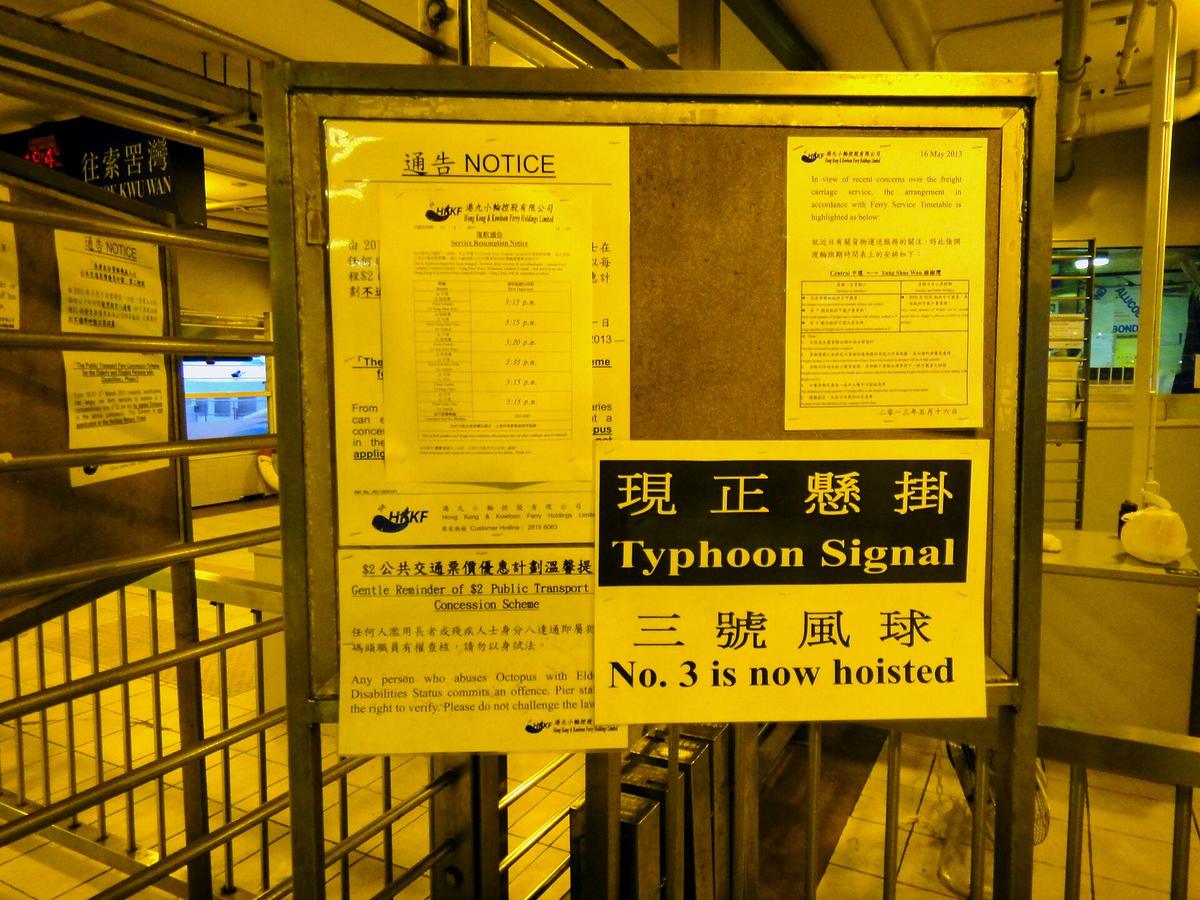
When the Hong Kong Observatory hoists Typhoon Signal No. 8, sustained winds hit 63 to 117 km/h, gusting over 180 km/h. All non-essential workers leave work. Schools close. Most public transport halts within two hours. If you are outside when the signal goes up, get inside fast. Shelter in a shopping mall or hotel lobby. Do not try to reach your destination. The highest recorded signal is a 10, seen during Super Typhoon Mangkhut in 2018, with maximum sustained winds of 175 km/h near the centre. The city averages zero to three typhoons requiring Signal No. 8 or above per year, so you will likely not see one. But if the signal changes from a 3 to an 8, your day ends. Accept it.
Black Rainstorm: Do Not Attempt to Travel
A Black Rainstorm Warning means more than 70 mm of rain has fallen or is expected in one hour, likely causing serious flooding. The required action is clear: remain where you are until the warning is lowered. Do not attempt to travel. The city averages zero to two Black Rainstorm warnings per year. When it happens, the MTR stations flood, streets turn into rivers, and landslides become the real threat. In 2023 alone, there were 601 landslides in Hong Kong. Fatalities are rare (nine total across a decade from 2014 to 2023), but a blocked road on Lantau Island can strand you for hours. Check the Hong Kong Observatory app before any morning hike.

Taxi Touts, Bag Snatching, and Phone Scams
Street crime is low. The robbery rate was 2.1 per 100,000 in 2023, and the city reported 1,145 indecent assaults that same year. But low does not mean zero. The risks cluster in predictable places.
Aggressive Taxi Touts at Border Crossings
Cross from Shenzhen into Hong Kong via the Lo Wu or Lok Ma Chau border points, and you will be approached by drivers offering a flat fare to your hotel. These touts charge two to three times the metered rate. A ride from Lok Ma Chau to Tsim Sha Tsui should cost roughly HK$400 on the meter. The tout price is often double that. Walk past them and take the MTR or a licensed red taxi from the official rank 50 metres further. Do not negotiate. Do not follow a driver to a parked car outside the lot.
Bag Snatching in Crowded Markets
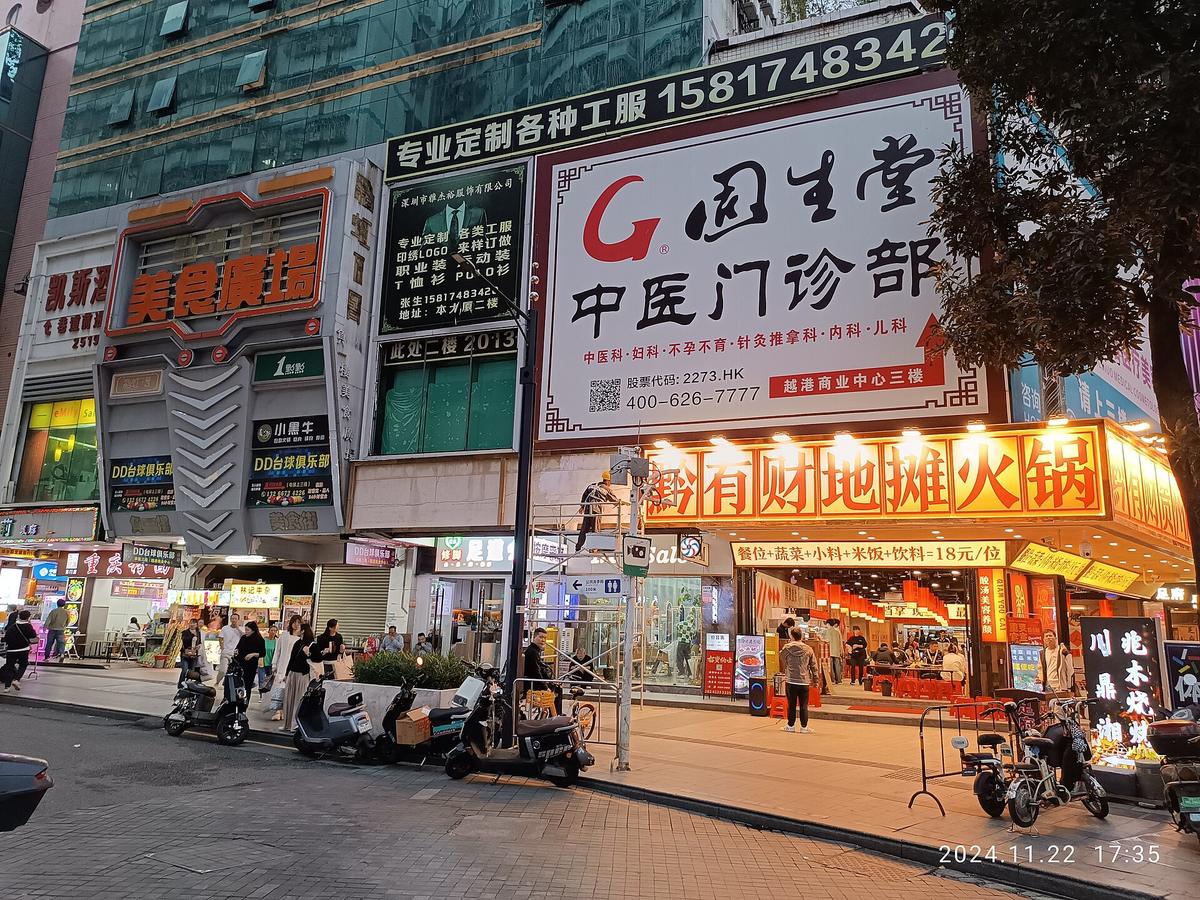
Mong Kok's Ladies' Market and Temple Street Night Market are shoulder-to-shoulder dense. Pickpocketing is the most common bag-snatching method. A phone in a back pocket, a bag hanging open on a pushcart, or a wallet in a rear jeans pocket will disappear. There is no pattern to the theft; it takes two seconds in a crowd. Carry a crossbody bag with the zip facing forward. Keep your phone in a front pocket. Do not stop in the middle of a narrow aisle to check a map. Move to the side, next to a shop wall.
The HK$1.05 Billion Phone Scam
In 2023, reported phone scam losses totalled HK$1.05 billion. The most common method is a call from a +86 number (Mainland China), where the caller impersonates a Mainland Chinese official or a Hong Kong police officer, claiming you are under investigation for a crime or that a package addressed to you has been seized. They demand you transfer money to a 'safety account'. The Hong Kong police operate a dedicated anti-deception hotline at 18222. If you receive such a call, hang up. Do not call back. Do not provide personal details. The police will never call asking for money. No government agency will ask you to transfer funds to verify your identity.
| Service | Contact | Details |
|---|---|---|
| Emergency (Police, Fire, Ambulance) | 999 | Works from any phone. No coins needed. |
| Non-Emergency Medical Transport | 1878 000 | Fire Services Department. For people who need ambulance transport but are not critical. |
| Anti-Deception Hotline | 18222 | Hong Kong Police. Call if you suspect a phone scam. |
| Public Hospital Emergency Department | HK$180 (residents) | 18 public hospitals with 24-hour emergency rooms. Average ambulance response time for critical calls is 10.3 minutes. |
| Private Hospital Emergency Consultation | HK$500 to HK$1,500 | Doctor fee only. Excludes tests, medication, and procedures. Ward daily rates range from HK$800 to HK$20,000 depending on room type. |

Traffic, Air Quality, and What to Do When the Normal Route Fails
Hong Kong's traffic fatality rate was 3.3 per 100,000 in 2023. That is modest by global standards. But 65% of road deaths were pedestrians. The same narrow, uneven pavements that make walking slow also make it dangerous. Scaffolding, parked motorcycles, and overflowing shop displays push you into the road. Cross at marked crossings with traffic lights. Do not jaywalk on a three-lane road in Central. The bus drivers do not stop for a pedestrian who appears suddenly from behind a truck.
Air Quality That Changes Your Day
The Air Quality Health Index (AQHI) runs from 1 (low) to 10+ (serious). In 2023, Hong Kong logged about 55 days when the AQHI reached 'Very High' (8 to 10) or 'Serious' (10+). The primary drivers are ozone and PM2.5. On those days, skip the outdoor hike on Lantau Trail and go to a museum instead. The M+ Museum in West Kowloon requires advance booking. The Hong Kong Palace Museum also requires advance booking. Both are indoor, air-conditioned, and worth the admission.
When You Need a Hospital
If you need emergency care, you have two options. Public hospital emergency departments charge HK$180 per visit for eligible Hong Kong residents. For visitors, the cost is higher (around HK$1,230 per visit as of 2024). Private hospital emergency consultations run HK$500 to HK$1,500 for the doctor fee alone, excluding tests, medication, or procedures. Private hospital ward daily rates range from HK$800 to HK$20,000 depending on room type and specialty. Buy travel insurance with substantial medical coverage before you arrive. The ambulance response time for critical calls averages 10.3 minutes. That is fast. But the bill for a private hospital overnight stay will ruin a trip without insurance.
What to Do at 1:00 A.M. When the MTR Has Stopped
The MTR runs until approximately 1:00 a.m. on main lines. After that, night buses exist but are infrequent and complicated to navigate without Cantonese. A taxi from Central to Tsim Sha Tsui costs about HK$100 after midnight. A taxi from Lantau Island to Central is not realistic; the fare would be steep, and availability is hit or miss. Stay in a district where you can walk to your accommodation from the last train. If you are on Lantau after the Tung Chung MTR station closes, you are stranded until the first morning bus around 5:30 a.m.
Common Questions
Is Hong Kong safe for solo female travellers?
Yes. The city has a low crime rate, good street lighting, and reliable public transport. The 2024 Global Law and Order Index found 78% of people feel safe walking alone at night. The main risk is not crime but physical exhaustion from humidity, long walks, and aggressive air-conditioning indoors. Carry a light layer for indoor spaces. Use the same street smarts you would in any dense city: keep your bag zipped, do not walk down dark side streets alone after midnight in older neighbourhoods like Wan Chai or Yau Ma Tei, and ignore taxi touts at border crossings.
Should I worry about pickpockets in Hong Kong?
The robbery rate is 2.1 per 100,000, one of the lowest in the world. But bag-snatching and pickpocketing happen in crowded markets like Mong Kok's Ladies' Market and Temple Street Night Market. Keep your phone in a front pocket and your bag crossbody with the zip facing forward. Do not leave a bag hanging on the back of a chair at a dim sum restaurant or a noodle shop. The theft risk is lower than in Paris, Barcelona, or London, but it is not zero.
What should I do during a typhoon warning?
When Signal No. 8 is raised, all non-essential workers leave work, schools close, and most public transport stops within two hours. Do not go outside. Shelter in your hotel or a nearby shopping mall. The Hong Kong Observatory app posts live updates. If you are on a hiking trail, get to the nearest town immediately. If you are at the airport, expect flight cancellations and book a hotel nearby. The city averages zero to three typhoons per year that require Signal No. 8 or above.
Is it safe to hike alone in Hong Kong?
The trails themselves are safe from crime. The risk is heatstroke. In summer 2023, there were 30 to 40 heat-related rescue calls per month. Hike before 8:00 a.m. or after 4:00 p.m. Bring 1.5 litres of water for a two-hour hike. Start with the 8.5 km Dragon's Back trail, which is well-marked and exposed. For longer trails like the 100 km MacLehose Trail, carry a printed map or a fully charged phone with Citymapper downloaded. Mobile reception is patchy in the northern New Territories.
Do I need to worry about phone scams in Hong Kong?
Yes. In 2023, reported losses from phone scams totalled HK$1.05 billion. The typical method is a call from a +86 number where someone claims to be a Mainland Chinese official or a Hong Kong police officer. They say you are under investigation or that a package addressed to you has been seized. It is a scam. Hang up. Call the anti-deception hotline at 18222 if you are unsure. Do not transfer money to any 'safety account'. No government agency will ask for a payment over the phone.
How dangerous are the roads for pedestrians?
Traffic fatalities are rare: 3.3 per 100,000 in 2023. But 65% of those deaths were pedestrians. The main cause is narrow, uneven pavements that force walkers into the road. Cross at marked crossings with traffic lights. Do not jaywalk on multi-lane roads in Central or Tsim Sha Tsui. Buses and taxis do not expect sudden pedestrian movement. At night in areas like Wan Chai and Mong Kok, use the footbridges and underpasses where available.
What is the biggest practical safety mistake visitors make?
Underestimating the summer heat and humidity. They plan a day that starts with a hike at 10:00 a.m., then dim sum in the afternoon, and end up in a hotel bathroom with heat exhaustion by 2:00 p.m. The heat index in July can hit 45°C. Carry a 1-litre water bottle, wear a hat, and plan indoor activities between 11:00 a.m. and 4:00 p.m. The second mistake is not having travel insurance that covers medical evacuation. Private hospital emergency fees start at HK$500 and can reach HK$20,000 per night.
Read next
-
 Hong Kong Hotels and Serviced Apartments Before a Lease
Serviced apartments in Wan Chai, Kennedy Town, and Sai Ying Pun compared for the six weeks before you sign a Hong Kong lease.
Hong Kong Hotels and Serviced Apartments Before a Lease
Serviced apartments in Wan Chai, Kennedy Town, and Sai Ying Pun compared for the six weeks before you sign a Hong Kong lease.
-
 Where to Stay in Hong Kong a Shortlist of Districts Compared Honestly
Hong Kong districts vary wildly in rent, space, and commute reality. This shortlist compares where to stay based on what you actually get for your money.
Where to Stay in Hong Kong a Shortlist of Districts Compared Honestly
Hong Kong districts vary wildly in rent, space, and commute reality. This shortlist compares where to stay based on what you actually get for your money.
-
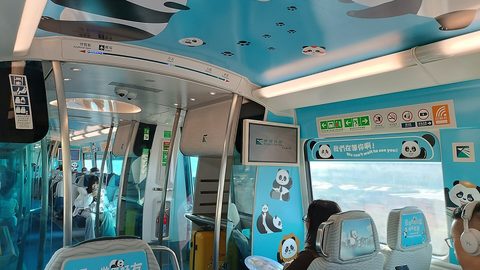 Hong Kong Flights, HKG Airport and the Airport Express
HKG to Central or Kowloon by Airport Express, taxi, or A-bus, plus how Hong Kong's in-town check-in makes it a strong flight hub.
Hong Kong Flights, HKG Airport and the Airport Express
HKG to Central or Kowloon by Airport Express, taxi, or A-bus, plus how Hong Kong's in-town check-in makes it a strong flight hub.
-
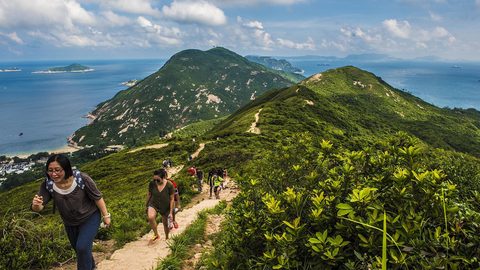 Hong Kong Weekends Hiking Trails Island Day Trips and Visitor Itineraries
Hong Kong's best escapes are minutes from the MTR: ridge hikes with harbour views, car-free islands with seafood, and fishing villages on stilts reachable in under an hour.
Hong Kong Weekends Hiking Trails Island Day Trips and Visitor Itineraries
Hong Kong's best escapes are minutes from the MTR: ridge hikes with harbour views, car-free islands with seafood, and fishing villages on stilts reachable in under an hour.
-
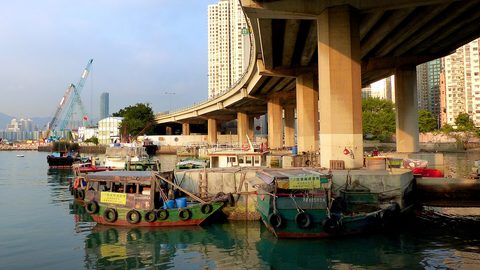 Best Time to Visit Hong Kong Weather Calendar and the Two Decisive Months
Hong Kong's best weather arrives from October to early December, with a secondary window in late March. Avoid Chinese New Year closures and the typhoon-prone summer.
Best Time to Visit Hong Kong Weather Calendar and the Two Decisive Months
Hong Kong's best weather arrives from October to early December, with a secondary window in late March. Avoid Chinese New Year closures and the typhoon-prone summer.
-
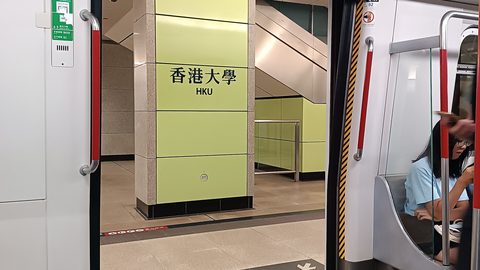 Getting Around Hong Kong MTR Octopus Minibuses and the Star Ferry
The MTR is the backbone of Hong Kong, but the Octopus card, minibuses, and exact-change rules on buses catch visitors out. Here is how to move without friction.
Getting Around Hong Kong MTR Octopus Minibuses and the Star Ferry
The MTR is the backbone of Hong Kong, but the Octopus card, minibuses, and exact-change rules on buses catch visitors out. Here is how to move without friction.
-
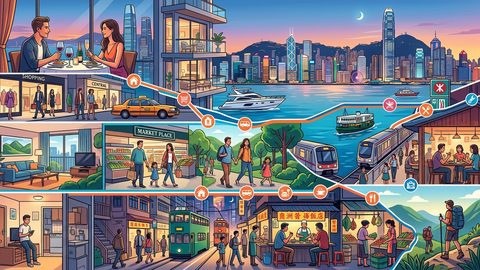 Hong Kong Expat Cost of Living Broken Down by Lifestyle Tier
Real annual costs for expats in Hong Kong: budget, comfortable, and premium tiers covering rent by district, school fees, domestic helpers, and flights home.
Hong Kong Expat Cost of Living Broken Down by Lifestyle Tier
Real annual costs for expats in Hong Kong: budget, comfortable, and premium tiers covering rent by district, school fees, domestic helpers, and flights home.
-
 How to Set Up Your Finances When You First Arrive in Hong Kong
Open the right bank account, set up Octopus and FPS, and avoid costly transfer fees. A practical money setup guide for new arrivals in Hong Kong.
How to Set Up Your Finances When You First Arrive in Hong Kong
Open the right bank account, set up Octopus and FPS, and avoid costly transfer fees. A practical money setup guide for new arrivals in Hong Kong.
-
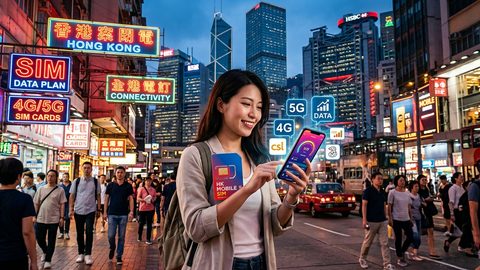 Mobile Plans, SIM Cards and Connectivity Costs for Expats in Hong Kong
Compare 3HK, SmarTone, and CMHK mobile plans for Hong Kong expats. Monthly costs, data tiers, prepaid vs contract, and tips on staying connected abroad.
Mobile Plans, SIM Cards and Connectivity Costs for Expats in Hong Kong
Compare 3HK, SmarTone, and CMHK mobile plans for Hong Kong expats. Monthly costs, data tiers, prepaid vs contract, and tips on staying connected abroad.