What Signal 1 to 10 and Black Rain Actually Close in Hong Kong
From Signal 1 to 10 and black rain, what each Hong Kong typhoon warning closes and how to prepare.
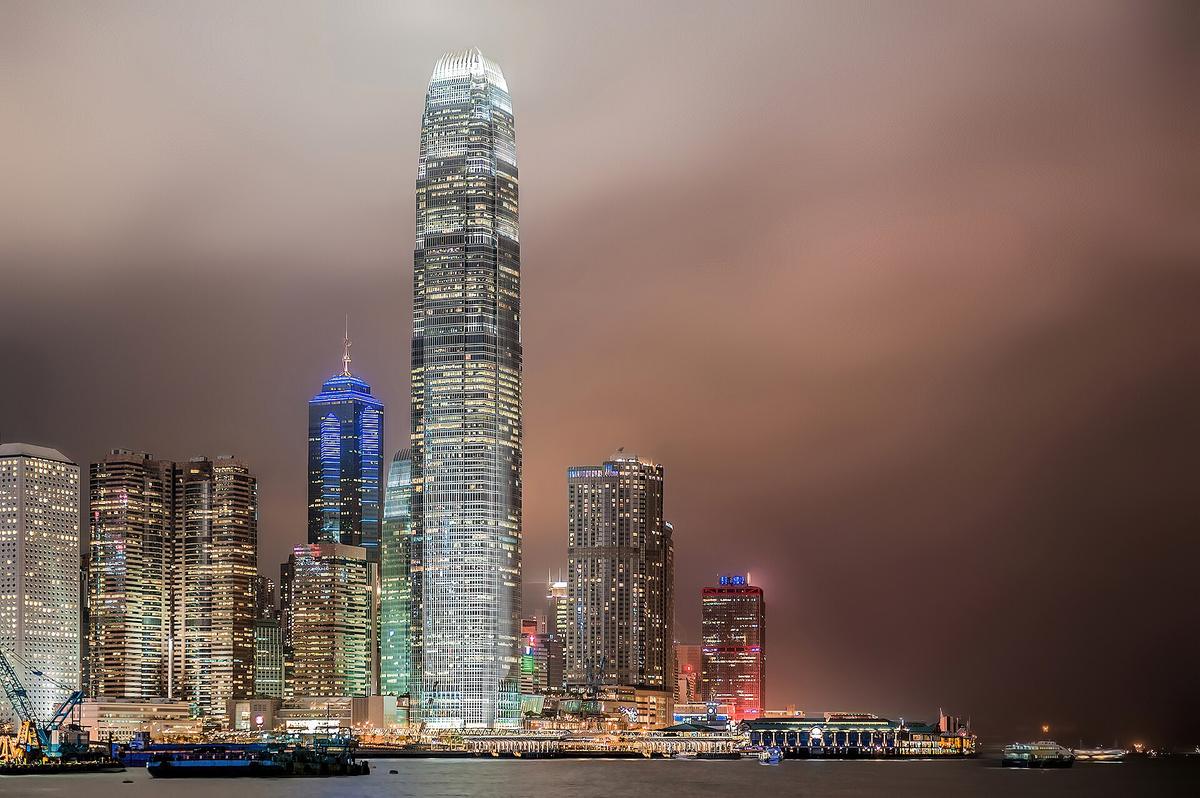

The MTR During a Signal 8 Typhoon
The train stops. The lights stay on. A recorded voice in Cantonese, Mandarin, and English tells you services are reducing frequency because Signal 8 has been hoisted. In a dense, humid, vertical city built on efficiency, the typhoon signal system is the one thing that shuts almost everything down. Here is what you need to know about each signal, what closes, when the MTR stops running, and the unwritten rules about leaving work early.
Signal 1 and Signal 3: Nothing Changes, Then Things Start to Close
Signal 1: Carry On
Typhoon warning signal 1 means a tropical cyclone is within 800 kilometres of Hong Kong. No closures. You ignore it. Shops open, the MTR runs normally, and outdoor plans carry on. The Observatory app, which costs nothing and sends push alerts, is your best tool at this stage. Download it when you arrive. Check it once in the morning. Do not overreact.
Signal 3: Stay Off The Hills
Signal 3 means strong winds of 41 to 62 kilometres per hour are expected or already blowing. Kindergartens close, but that does not affect you. Some ferry services may suspend, specifically outlying island and inter island routes. Harbour ferries like the Star Ferry may continue running. The MTR operates normally. Shops and restaurants stay open. If you are hiking, do not go. Landslide risk is high on steep hillsides during and after prolonged heavy rain, particularly on slopes graded A or B in the Slope Information System. Stick to the urban districts.
The failure case: you assume the Star Ferry is running and arrive at the pier to find a sign saying suspended. The MTR is still fine at Signal 3, so use it. If you are on an outlying island like Cheung Chau or Lamma, check the ferry operator's app before heading to the pier. Some services stop before Signal 3 is officially raised.
Signal 8: Everything Changes
What Closes And What Runs
Signal 8 is the threshold. Gale or storm force winds of 63 to 117 kilometres per hour are expected or blowing. Schools close. Most businesses close. The government advises non essential employees to stay home or go home. There is no legal requirement to attend work, but the practical rule is clear: do not travel unless your job is essential to public safety or emergency services.
The MTR runs at reduced frequency on open parts of the network. Open parts are the above ground stretches, like the Tung Chung line towards the airport and parts of the East Rail line. Underground stretches between Central and Tsim Sha Tsui may continue with longer waits. Do not count on the MTR running your whole route. Expect cancellations and sudden suspensions. All ferry services are suspended. Flight operations are severely limited. The airport stays open, but most flights are cancelled or delayed. If you are due to fly out during Signal 8, contact your airline before going to the airport. Ground operations at the airport are limited, and you may be stuck in the terminal with no transport back to the city.
Leaving Work Early: The Unwritten Rule
The unwritten rule about leaving work early: you do not wait for the official announcement. In practice, offices let staff leave when Signal 8 is announced, usually one to two hours before it takes effect. That window is the only safe time to get home on the MTR. Once Signal 8 is hoisted, the MTR may stop running entirely on some stretches. If you wait, you walk or you pay for a taxi at surge pricing that can hit a ridiculous sum for a short trip. If you are in Central and need to get to Mong Kok, leave the second the Observatory app notifies you. Do not finish your drink. Do not wait for the next lift.
Preparing Your Flat
Flat preparation for Signal 8 is straightforward: secure or bring indoors all loose objects on balconies and rooftops. Clear drains and gutters. Close and lock all windows and doors. Fit window locks or stays. Do not tape windows. Window taping has no structural benefit. It does not prevent breakage from windborne debris. It may reduce injury from shattered glass only if you have applied laminated safety film.
Signal 9 and Signal 10: Stay Indoors
Signal 9 means gale or storm force winds are increasing significantly in strength. Same closures as Signal 8. The MTR may suspend open stretches. Signal 10 means hurricane force winds of 118 kilometres per hour or higher. All non essential services close. The MTR open stretches may suspend entirely. You stay inside. Do not go to the window to film it. Do not go to the lobby. Windborne debris at that speed kills people. Ferry services are suspended. Flight operations are essentially stopped. The failure case: if you are in a ground level flat in a flood prone area, have sandbags ready at the door thresholds. Check and clear balcony drains. Ensure windows are sealed.
Rainstorm Warnings: Amber, Red, Black
Amber And Red: Adjust Your Day
Amber rainstorm means heavy rain exceeding 30 millimetres in an hour is expected. No closures. You treat it like a heavy summer downpour. The MTR runs normally. Shops and restaurants stay open. If you are hiking, turn back. Landslide risk is real on steep hillsides. Red rainstorm means heavy rain exceeding 50 millimetres in an hour expected. Schools close. Employees are advised to remain at work unless it is unsafe to travel. The MTR continues running, but expect delays and flooding on some above ground stretches. Do not drive. Flooding is sudden and deep in low lying areas like Yau Ma Tei and Sham Shui Po.
Black Rain: Shelter In Place
Black rainstorm means very heavy rain exceeding 70 millimetres in an hour expected. Schools close. The public is advised to take shelter. Non essential businesses close. Employment rules are the same as Signal 8: employees are not required to travel to work if the warning is issued before working hours. If it is issued during work hours, employees remain at work until it is safe to leave. Flights may continue during Black rain, but delays are common. Ground handling may halt if lightning risk is high.
The practical reality: Black rain is less predictable than a typhoon. It can start and stop within two hours. The MTR keeps running underground. If you are in a shopping mall when Black rain is hoisted, stay there. Malls rarely close. Wait for the warning to downgrade before moving. The failure case: you are on the street in Mong Kok when Black rain hits. Pavements flood within minutes. Drainage is poor in older districts. Stand under a shop awning or duck into a 7 Eleven. Do not try to reach the MTR station if water is above your ankles. The current from submerged drains can knock you over.
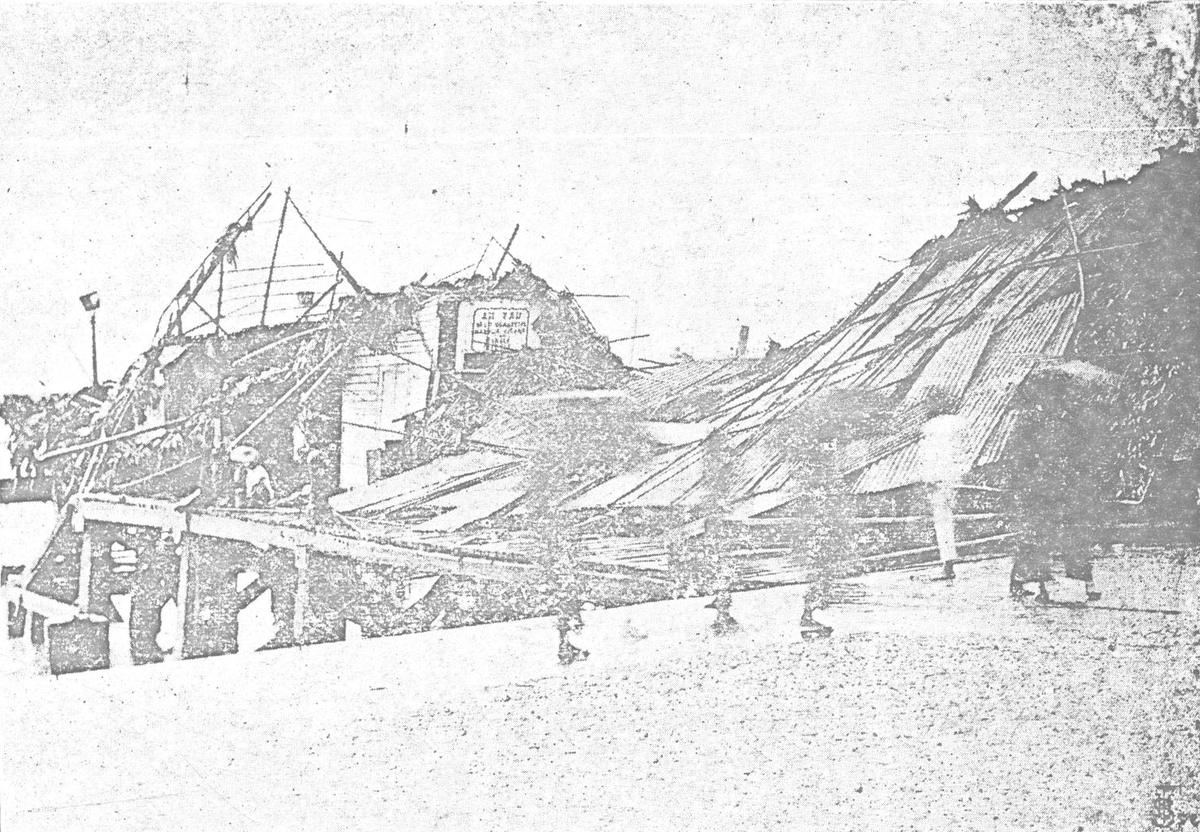

Stocking Up and Monitoring the Observatory App
Buy Early, Charge Everything
Stock up the day before a typhoon is forecast, not the morning of. Supermarkets in Hong Kong empty fast. Bread, instant noodles, bottled water, and toilet paper vanish within hours of a Signal 3 announcement. Buy enough for three days. Cash is essential. ATMs occasionally run out if the typhoon drags on, and some small eateries accept only cash. Charge your phone, power bank, and any other device fully before the signal is raised. The Hong Kong Observatory app is the only source you need. It sends push alerts for every signal change. Do not rely on news websites or social media. The app is faster and does not guess.
The Timing Trap
The single thing that most often goes wrong is timing. Visitors wait for the official announcement to leave work, then find the MTR has already reduced service or stopped entirely. The safe play is to leave the moment the Observatory announces the timing for Signal 8, not when the signal itself is hoisted. That window closes fast.
Common Questions
Do I get paid if I cannot get to work during Signal 8 or Black Rain?
There is no legal requirement to attend work during Signal 8 or above, or during a Black rainstorm warning. The government advises non essential employees to stay home. Whether you get paid depends on your employment contract. Most Hong Kong employers follow the government guideline to pay staff who cannot travel, but check your contract.
Can I leave work early before Signal 8 is hoisted?
In practice, yes. Most offices let staff leave one to two hours before the warning takes effect. The unwritten rule is that you go as soon as the Observatory announces the timing, not when the signal is actually raised. That window is your only safe travel time before the MTR reduces service.
Does the MTR stop completely during Signal 8?
Not completely. The MTR runs at reduced frequency on open stretches. Open stretches are above ground parts like the Tung Chung line and parts of the East Rail line. Underground stretches may continue but with longer waits. During Signal 10, open stretches may suspend entirely.
Are taxis available during Signal 8?
Some taxis continue operating, but supply is very low and demand is high. Surge pricing is common. A short trip from Central to Mong Kok can cost a small fortune. Do not rely on taxis as a backup plan. Leave early or stay put.
What about flights during Signal 8 or Black Rain?
Most flights are cancelled or delayed during Signal 8 or above. The airport remains open, but ground operations are severely limited. During Black rain, flights may continue but delays are common. Contact your airline before going to the airport. Do not go to the airport expecting to fly out normally.
Should I tape my windows when a typhoon is coming?
No. Window taping has no structural benefit. It does not prevent breakage from windborne debris. It may reduce injury from shattered glass only if you have applied laminated safety film. The effective preparation is to secure or bring indoors all loose objects on balconies, clear drains and gutters, and close and lock all windows and doors.
How do I stock up before a typhoon?
Buy non perishable food and bottled water the day before Signal 8 is expected. Supermarkets get stripped of bread, instant noodles, and bottled water within hours of a signal being announced. Cash is also important: ATMs may run out during prolonged closures, and some smaller shops only take cash. Charge all devices fully before the signal is raised.
Read next
-
 Hong Kong Expat Cost of Living Broken Down by Lifestyle Tier
Real annual costs for expats in Hong Kong: budget, comfortable, and premium tiers covering rent by district, school fees, domestic helpers, and flights home.
Hong Kong Expat Cost of Living Broken Down by Lifestyle Tier
Real annual costs for expats in Hong Kong: budget, comfortable, and premium tiers covering rent by district, school fees, domestic helpers, and flights home.
-
 How to Set Up Your Finances When You First Arrive in Hong Kong
Open the right bank account, set up Octopus and FPS, and avoid costly transfer fees. A practical money setup guide for new arrivals in Hong Kong.
How to Set Up Your Finances When You First Arrive in Hong Kong
Open the right bank account, set up Octopus and FPS, and avoid costly transfer fees. A practical money setup guide for new arrivals in Hong Kong.
-
 Mobile Plans, SIM Cards and Connectivity Costs for Expats in Hong Kong
Compare 3HK, SmarTone, and CMHK mobile plans for Hong Kong expats. Monthly costs, data tiers, prepaid vs contract, and tips on staying connected abroad.
Mobile Plans, SIM Cards and Connectivity Costs for Expats in Hong Kong
Compare 3HK, SmarTone, and CMHK mobile plans for Hong Kong expats. Monthly costs, data tiers, prepaid vs contract, and tips on staying connected abroad.
-
 Where Hong Kong Expats Actually Spend Their Evenings and Weekends
How expats in Hong Kong actually spend their free time. Hiking groups, waterfront bars, beach clubs, and the Happy Valley racing ritual with real costs.
Where Hong Kong Expats Actually Spend Their Evenings and Weekends
How expats in Hong Kong actually spend their free time. Hiking groups, waterfront bars, beach clubs, and the Happy Valley racing ritual with real costs.