Public and Private Healthcare in Hong Kong and What Insurance You Need
Hong Kong has excellent but split healthcare: cheap public care with long waits, or fast private care at a price.

You Need to Know How Public and Private Healthcare Actually Work Here
New arrivals in Hong Kong land in one of the world's safest cities with a healthcare system that splits sharply into two tiers. The public system, run by the Hospital Authority, is heavily subsidised but slow. The private system is fast and expensive. Your insurance choice depends on which door you plan to walk through. Here is what it costs, how long you wait, and what coverage you actually need.
The Public System is Cheap but Demands Patience
Fees And Registration
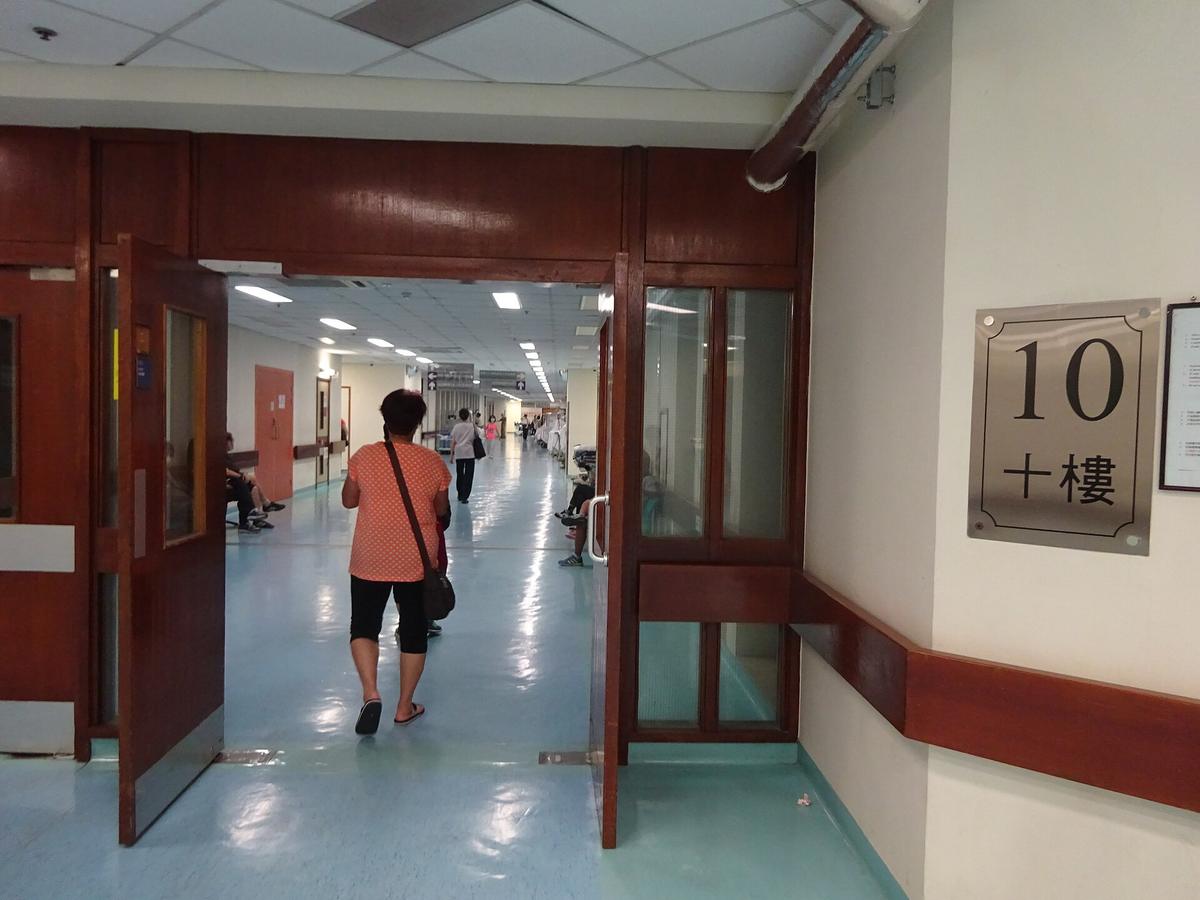
Hong Kong runs 43 public hospitals and 73 general outpatient clinics. If you hold a valid Hong Kong ID card, you pay HK$50 for a general outpatient consultation. A first specialist outpatient visit costs HK$135. Follow-up specialist visits cost HK$80. Drug items cost HK$75 per item for up to 16 weeks of supply. Inpatient admission costs HK$75, plus HK$120 per night for an acute bed or HK$100 for a convalescent bed. A&E attendance costs HK$180. These prices are among the lowest in any developed city.
Waiting Times
The catch is waiting. For stable new cases referred to a public specialist outpatient clinic, the median wait runs 30 to 60 weeks depending on the specialty. Urgent new cases are seen within one to two weeks. Semi-urgent cases wait 8 to 16 weeks. For routine general outpatient care, you book through the Hospital Authority's GOPC app or 24-hour hotline, and you must register with a specific clinic. You cannot walk into any public clinic and expect to be seen that day.
The Private System is Fast but Costs Multiply Quickly
Consultation And Room Fees
Thirteen private hospitals operate across the city. A private GP consultation runs HK$300 to HK$800 per visit. A first specialist consultation costs HK$800 to HK$2,000. Follow-up specialist visits run HK$600 to HK$1,500. Private hospital A&E consultation fees start at HK$400 and climb to HK$1,200 before any treatment costs. A general ward private hospital room costs HK$500 to HK$1,500 per night. A private room runs HK$2,000 to HK$8,000 or more per night. You do not queue here. You walk in, pay, and are seen. The price of speed is a bill that can reach five figures for an overnight stay with a procedure.
Walk-In Access And Pharmacies
Walk-in is standard at most private clinics. No formal registration or referral is needed for a GP. For a private specialist, most clinics accept direct booking without a referral letter. Pharmacies in the private system operate on a prescription model: prescription-only medicines require a doctor's note and are dispensed only at registered pharmacies. Over-the-counter items including paracetamol, ibuprofen, antihistamines, and mild corticosteroids are available without prescription at chains like Watsons and Mannings, typically open 09:00 to 22:00 with some 24-hour locations in Central, Causeway Bay, and Tsim Sha Tsui.
Basic Local Insurance Covers Public Care but Not Private Hospital Stays
Employer Plans
Employer-provided health insurance is common for full-time employees at mid-to-large companies. A typical employer plan covers outpatient GP visits, specialist consultations, and hospitalisation. But the annual limit is often HK$500,000 to HK$2,000,000 per policy year, with outpatient caps of HK$5,000 to HK$20,000 per year. Room and board limits for semi-private rooms run HK$500 to HK$1,500 per day. That works fine for public hospital stays, where a night in an acute bed costs HK$120. It does not cover a private room at HK$8,000 a night. Employer plans also exclude maternity care, dental care, pre-existing conditions, chronic condition management, congenital conditions, mental health treatment, preventive care, and vaccinations. If you use private hospitals, those exclusions hit hard.
Individual And VHIS Plans
Individual health insurance for someone aged 30 to 39 costs HK$3,000 to HK$12,000 per year depending on coverage. For ages 50 to 59, expect HK$8,000 to HK$30,000 per year. Waiting periods are standard: 0 to 30 days for outpatient, 10 to 12 months for maternity, and 12 to 24 months or permanent exclusion for pre-existing conditions. The government's Voluntary Health Insurance Scheme (VHIS) standard plan offers a cleaner baseline. For ages 30 to 39, annual premiums run HK$2,500 to HK$5,000. It covers a minimum of HK$420,000 per policy year, with a room and board limit of HK$750 per day and surgical benefits of HK$50,000 for complex procedures, HK$25,000 for intermediate, and HK$12,500 for minor surgery. You can deduct up to HK$8,000 per insured person from your Hong Kong taxes. VHIS is not the cheapest option, but it is the only one that guarantees renewability and covers a defined list of conditions that employer plans typically exclude.
What to Do in an Emergency
Dial 999 for ambulance, police, or fire services. Ambulance transport to a public hospital is free. The response time target is 12 minutes for emergency cases. The city has 18 public A&E departments, all operating 24 hours. Major ones include Queen Mary Hospital on Hong Kong Island, Queen Elizabeth Hospital in Kowloon, and Prince of Wales Hospital in the New Territories. For private emergency care, four hospitals offer 24-hour outpatient emergency clinics: Hong Kong Adventist Hospital in Happy Valley, St. Paul's Hospital in Causeway Bay, Gleneagles Hospital in Wong Chuk Hang, and Union Hospital in Tai Wai. Non-emergency ambulance transfer costs HK$1,000 to HK$3,000 depending on distance and provider. The Hospital Authority also runs a 24-hour health advice hotline at 183 6115.

The Most Common Failure for New Arrivals is Assuming Private Hospital Coverage
New arrivals often carry an employer plan with a HK$1,500 per day room and board limit and assume it covers a private hospital room that costs HK$8,000 a night. It does not. The gap between your daily limit and the actual room charge is your bill. A two-night stay in a private room with a minor procedure can leave you HK$15,000 or more out of pocket. The other failure is walking into a public specialist clinic without a referral. You need a GP referral letter for public specialist access, and you need to have registered with a specific general outpatient clinic through the HA app. Without that, you cannot start the queue. The result is a wasted trip and longer wait.
Frequently Asked Questions
Do I need health insurance to use public hospitals in Hong Kong?
No. As a Hong Kong ID holder, you can use public hospitals at subsidised rates without any insurance. The HK$75 inpatient admission fee and HK$120 per night bed charge are manageable without coverage. Insurance becomes necessary if you want private hospital access or need to cover employer-plan exclusions such as pre-existing conditions or maternity care.
Can I buy over-the-counter medication without a prescription in Hong Kong?
Yes for common items. Paracetamol, ibuprofen, antihistamines, cough and cold preparations, antacids, oral rehydration salts, topical antifungals, and topical corticosteroids up to 1% hydrocortisone are available without a prescription at pharmacies. Prescription-only medicines require a doctor's prescription and must be dispensed at a registered pharmacy.
How long do I wait for a public specialist appointment as a new patient?
For urgent new cases, the median wait is one to two weeks. Semi-urgent cases wait 8 to 16 weeks. Stable routine cases wait 30 to 60 weeks depending on the specialty. You need a GP referral letter to get on the waiting list, and you must register with a specific general outpatient clinic first.
Does employer health insurance in Hong Kong cover dental and maternity care?
Typically not. Employer plans commonly exclude maternity care, dental care, pre-existing conditions, chronic condition management, congenital conditions, mental health treatment, preventive care, and vaccinations. If you need these, either purchase a separate individual plan or upgrade through the Voluntary Health Insurance Scheme.
What is the Voluntary Health Insurance Scheme and is it worth it?
VHIS is a government-regulated insurance product with guaranteed renewability and standardised minimum coverage: HK$420,000 per policy year, HK$750 per day room and board limit, and defined surgical benefits. Annual premiums for ages 30 to 39 run HK$2,500 to HK$5,000. You can deduct up to HK$8,000 per insured person from your taxes. It is worth it if you want predictable coverage across conditions that employer plans exclude, especially if you plan to use private hospitals.
Read next
-
 Hong Kong Expat Cost of Living Broken Down by Lifestyle Tier
Real annual costs for expats in Hong Kong: budget, comfortable, and premium tiers covering rent by district, school fees, domestic helpers, and flights home.
Hong Kong Expat Cost of Living Broken Down by Lifestyle Tier
Real annual costs for expats in Hong Kong: budget, comfortable, and premium tiers covering rent by district, school fees, domestic helpers, and flights home.
-
 How to Set Up Your Finances When You First Arrive in Hong Kong
Open the right bank account, set up Octopus and FPS, and avoid costly transfer fees. A practical money setup guide for new arrivals in Hong Kong.
How to Set Up Your Finances When You First Arrive in Hong Kong
Open the right bank account, set up Octopus and FPS, and avoid costly transfer fees. A practical money setup guide for new arrivals in Hong Kong.
-
 Mobile Plans, SIM Cards and Connectivity Costs for Expats in Hong Kong
Compare 3HK, SmarTone, and CMHK mobile plans for Hong Kong expats. Monthly costs, data tiers, prepaid vs contract, and tips on staying connected abroad.
Mobile Plans, SIM Cards and Connectivity Costs for Expats in Hong Kong
Compare 3HK, SmarTone, and CMHK mobile plans for Hong Kong expats. Monthly costs, data tiers, prepaid vs contract, and tips on staying connected abroad.
-
 Where Hong Kong Expats Actually Spend Their Evenings and Weekends
How expats in Hong Kong actually spend their free time. Hiking groups, waterfront bars, beach clubs, and the Happy Valley racing ritual with real costs.
Where Hong Kong Expats Actually Spend Their Evenings and Weekends
How expats in Hong Kong actually spend their free time. Hiking groups, waterfront bars, beach clubs, and the Happy Valley racing ritual with real costs.