Where Hong Kong Expats Actually Spend Their Evenings and Weekends
How expats in Hong Kong actually spend their free time. Hiking groups, waterfront bars, beach clubs, and the Happy Valley racing ritual with real costs.
Hong Kong has a reputation for working its residents hard. Long hours, intense commutes, the constant hum of a city that barely pauses. What gets talked about far less is how expats actually unwind, and how surprisingly structured that downtime tends to be. The city has its own social rhythms. Once you find them, the weekends start to feel genuinely good.
Leisure in Hong Kong: What to Know First
- The city's hiking trails and beaches are far more accessible than most newcomers expect, and most cost nothing to use.
- After-work bar culture runs actively midweek, with well-placed happy hours keeping socialising affordable even in pricier areas.
- Wednesday night horse racing at Happy Valley functions as a recurring weekly ritual for many long-term expats, not a tourist detour.
Getting Out on the Trails Is a Social Strategy, Not Just Exercise
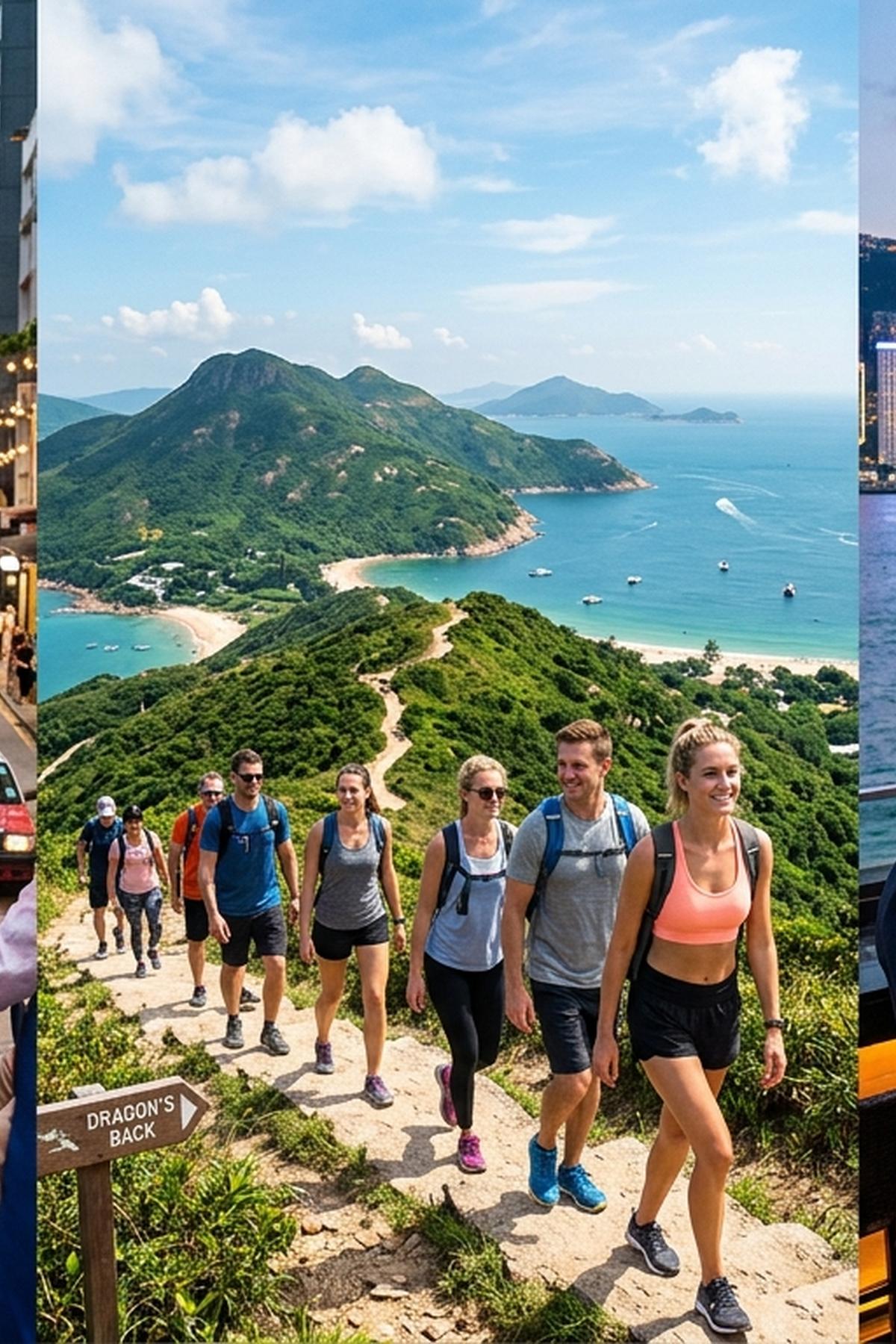
It surprises a lot of newcomers. Hong Kong is one of the most densely built cities on earth, yet nearly 40% of its land area is protected country park. The trails start very close to town. You can be on a ridgeline above Quarry Bay within 30 minutes of leaving a Central office.
That accessibility is why hiking became a social institution among expats. Groups form around Facebook communities, Meetup events, and company sports clubs. Some are casual Saturday morning affairs. Others are seriously organised, with WhatsApp chains, pre-hike briefings, and post-hike brunches baked into the routine.
The Agriculture, Fisheries and Conservation Department publishes free trail information for all country parks, covering more than 100 designated routes across the territory, most of them well-signed and manageable without a guide. The Wilson Trail, Dragon's Back, and Lantau Trail attract the most expat traffic. Dragon's Back in particular has become the default first hike for anyone new to the city. It is manageable, scenic, and ends near a beach. For families, the Pat Sin Leng trail in the New Territories offers a gentler gradient with equally dramatic views.
Costs are minimal. There is no entry fee for country parks. Trail maps are available at no charge. A post-hike beer at a nearby pub runs HK$50 to HK$70. The hiking community here is welcoming to strangers, and it is one of the fastest ways to meet people outside your immediate work circle.
Waterfront Bars and the Rhythm of a Weeknight in Hong Kong
After-work drinks in Hong Kong have a geography. Kennedy Town, along the western waterfront, draws a younger expat crowd. Wan Chai remains reliable for a no-fuss pint. Quarry Bay has developed a solid bar strip over the last decade, convenient for those working in the eastern commercial corridors. Central and Soho are busiest but also priciest.
A standard pint at a casual pub runs HK$65 to HK$90. Cocktails at a nicer bar sit around HK$110 to HK$150. Happy hours run in most establishments from around 5pm to 8pm and bring those numbers down considerably. Many bars compete hard on happy hour pricing, especially those targeting the office crowd that finishes at 6pm.
The waterfront around Tsim Sha Tsui is worth knowing. The promenade itself costs nothing, and a cluster of bars just behind it offers harbour views without the premium Central pricing. For those living on Lantau or further out, Discovery Bay has its own small but active bar scene, though it runs on a quieter tempo than the urban options.
Midweek drinks culture is genuinely alive here. It is not just a Friday thing. Thursday tends to be busy. Expats who work in finance often cite Monday evening drinks as a common decompression ritual at their firms. The city's compact geography means getting from office to bar to home again is rarely more than 30 minutes by MTR, which makes midweek socialising easier than in most cities of comparable size.
Beach Clubs Along the South Side and Beyond
The south side of Hong Kong Island gives the city a split personality. Stanley, Deep Water Bay, and Repulse Bay feel like a different world from Central, even though they sit only 20 minutes away by taxi or bus. Beach clubs have built up around these areas, catering heavily to families and expats who want a reliable weekend retreat without leaving the city.
The most established clubs around Repulse Bay and Stanley charge annual membership fees ranging from around HK$1,500 to HK$6,000, depending on what is included. Higher-end clubs with pool access, food and beverage minimums, and watersport facilities sit at the top of that range. Day passes for non-members typically run HK$300 to HK$600 and include use of the pool and beach-side lounges.
Clearwater Bay and Sai Kung offer a less polished but often more relaxed alternative. Families drive out on Saturdays, park the car, and spend the day at public beaches that remain uncrowded outside summer public holidays. The food options around Sai Kung town are excellent. Fresh seafood, local noodle shops, and a decent spread of Western cafes all sit within walking distance of the waterfront.
Lamma Island deserves attention too. The ferry from Aberdeen or Central takes around 25 minutes and delivers you to a car-free island with several good beaches and a stretch of relaxed restaurants. Many expats treat it as a half-day outing rather than a full beach club experience. Bring cash. Card acceptance is inconsistent outside the main restaurant strip in Yung Shue Wan.
Wednesday Night at Happy Valley: When Racing Becomes a Routine
The Happy Valley Racecourse is easy to write off as a tourist attraction. It sits in a small bowl of a valley, surrounded by residential towers, lit up spectacularly on race nights. Tourists do go. Describing it that way would mislead anyone planning to stay in Hong Kong for more than a few months, though.
For a large segment of the expat community, Happy Valley on a Wednesday night is a standing appointment. All meetings are administered by the Hong Kong Jockey Club, which publishes full race fixtures and entry details for the season. That season runs from September through to July, giving the city a reliable mid-week social fixture for the better part of the year.
Entry fees are low. Public enclosure entry costs HK$10, or nothing if you hold a registered account with the club. Food and drink inside runs at reasonable pub-level pricing. A group of four can have a solid night out for HK$400 to HK$600 all in, excluding any betting losses. The betting itself is structured and accessible. Minimum bets start at HK$10. Most regulars place a handful of small wagers across the evening rather than going heavy on any single race. The point is the atmosphere and the company, not the financial return.
Most Wednesday evenings feature six to eight races, enough to keep things interesting from the first race at around 7:15pm through to the final race near 11pm. Between race days, regulars keep up with form and outcomes through dedicated tracking sites. Checking HK racing results mid-week has become a light habit for many, a way to stay engaged with the hobby without it consuming much time. Most spend around 20 minutes reviewing past races before the following Wednesday night.
The Wednesday night culture also creates a steady social structure. Groups of colleagues book the same table most weeks. Acquaintances from other industries show up. New connections form at the rail between races. For many expats, the course becomes a place where work contacts turn into actual friends, because the setting is relaxed and the schedule is predictable.
How the City's Rhythms Eventually Become Your Own
Most expats arrive in Hong Kong expecting to stay busy with work and use the city purely as a launch pad for regional travel. What actually happens is different. The city pulls you into its routines. Hiking groups form around your availability. The same faces appear at the same bar on the same evening. Wednesday at Happy Valley becomes the thing you mention at dinner.
None of these activities require a large budget or an elaborate social network to access. The hiking trails are free. The waterfront bars have competitive happy hour pricing. The racecourse charges HK$10 to get in. What they require is showing up a second time after the first. That second visit is usually when Hong Kong stops feeling like a place you are staying and starts feeling like a place you actually live.
The city's cost-of-living reputation makes some expats cautious about leisure spending. The reality is that most of the activities described here fall well below what you would spend on a comparable night out in London or Sydney. The everyday social life in Hong Kong is considerably more affordable than the reputation suggests, and considerably more consistent than people expect before they arrive.
Read next
-
 Hong Kong Expat Cost of Living Broken Down by Lifestyle Tier
Real annual costs for expats in Hong Kong: budget, comfortable, and premium tiers covering rent by district, school fees, domestic helpers, and flights home.
Hong Kong Expat Cost of Living Broken Down by Lifestyle Tier
Real annual costs for expats in Hong Kong: budget, comfortable, and premium tiers covering rent by district, school fees, domestic helpers, and flights home.
-
 How to Set Up Your Finances When You First Arrive in Hong Kong
Open the right bank account, set up Octopus and FPS, and avoid costly transfer fees. A practical money setup guide for new arrivals in Hong Kong.
How to Set Up Your Finances When You First Arrive in Hong Kong
Open the right bank account, set up Octopus and FPS, and avoid costly transfer fees. A practical money setup guide for new arrivals in Hong Kong.
-
 Mobile Plans, SIM Cards and Connectivity Costs for Expats in Hong Kong
Compare 3HK, SmarTone, and CMHK mobile plans for Hong Kong expats. Monthly costs, data tiers, prepaid vs contract, and tips on staying connected abroad.
Mobile Plans, SIM Cards and Connectivity Costs for Expats in Hong Kong
Compare 3HK, SmarTone, and CMHK mobile plans for Hong Kong expats. Monthly costs, data tiers, prepaid vs contract, and tips on staying connected abroad.
-
 Hiring a Domestic Helper in Hong Kong: Contracts, Costs and Legal Steps
Understand Hong Kong's legal requirements for hiring a domestic helper, including the contract, minimum wage, employer levy, and lawful termination.
Hiring a Domestic Helper in Hong Kong: Contracts, Costs and Legal Steps
Understand Hong Kong's legal requirements for hiring a domestic helper, including the contract, minimum wage, employer levy, and lawful termination.