The Hong Kong Holiday Calendar and Its Effect on Travel
Hong Kong's public holiday calendar, which days close small restaurants, and when mainland holidays bring extreme crowds to tourist districts.
Hong Kong Public Holidays Calendar and Closures
Your travel dates determine whether you eat at that claypot rice stall or find it shuttered for a week. Hong Kong’s public holiday calendar dictates exactly how each one affects restaurant closures, transport schedules, and crowd levels for both visitors and residents.
Hong Kong has 17 statutory public holidays per year. Seven fall on fixed Gregorian dates. Ten shift with the lunar calendar. The distinction matters: statutory holidays mean employers must give workers the day off, while general holidays apply mainly to banks, schools, and government offices. For travellers, the practical difference is smaller. On either type, expect major retail closures, reduced restaurant availability, and packed transport hubs.

When the City Empties and Fills
Chinese New Year: The Biggest Disruption
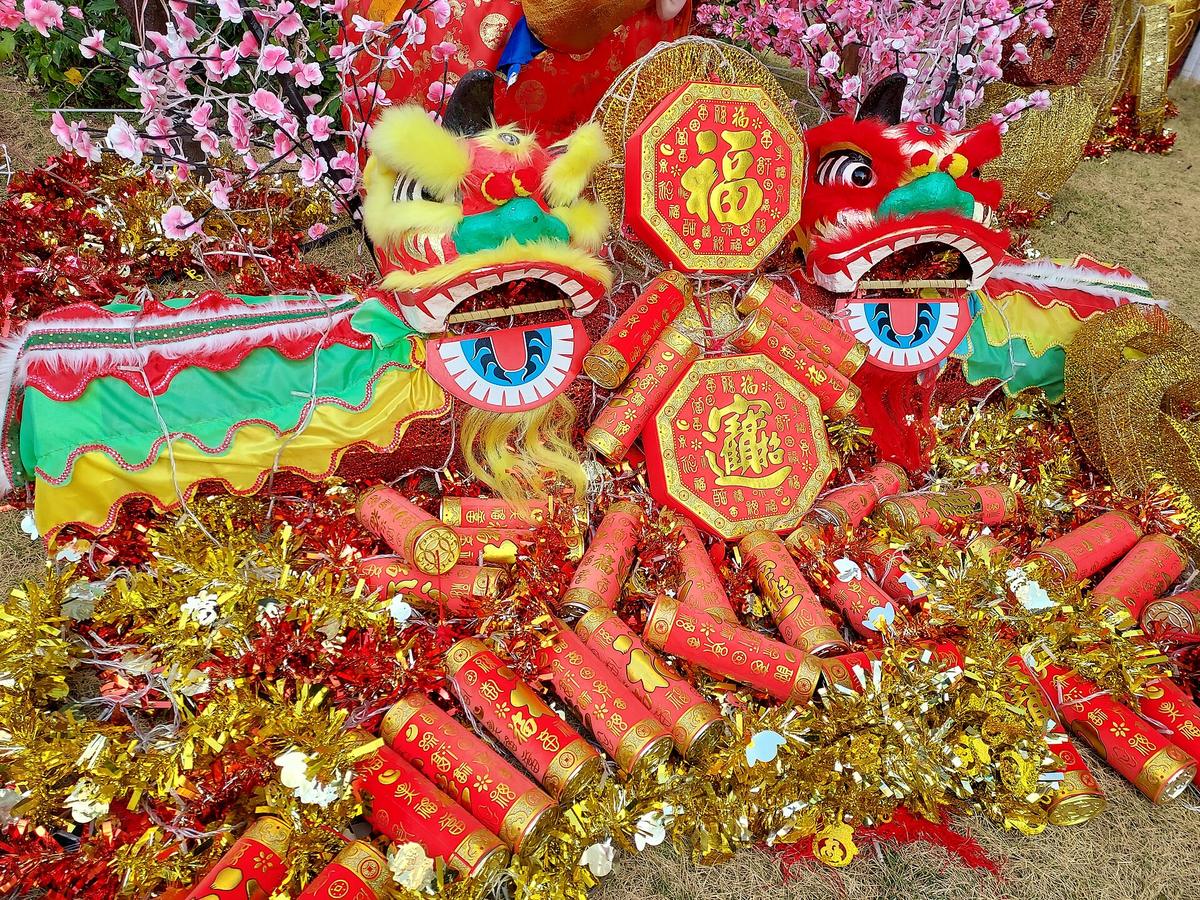
Chinese New Year runs three statutory days: Lunar New Year's Day, the second day, and the third day. Most retail, banks, and government offices close for those three days minimum. MTR and buses run but on reduced schedules. The surprise for newcomers is that many independent eateries and wet markets close for up to 7 to 10 days. That hole-in-the-wall wonton shop you saved on your map? Dark. The egg waffle stall at the corner? Gone until the 10th day. Major chain restaurants often close for 1 to 3 days, but small food shops are unreliable for a full week. Book accommodation well ahead: Chinese New Year triggers peak hotel pricing across Hong Kong, Macau, and the Greater Bay Area.
Golden Week: Mainland Crowds Arrive
From 1 to 7 October, mainland China's National Day holiday sends millions of visitors into Hong Kong. Tsim Sha Tsui and Causeway Bay become a slow-moving mass of people. Hotel rates surge across Hong Kong and Southeast Asia. If you want to see the harbour skyline without a hundred selfie sticks in the frame, avoid this window. MTR stations at East Tsim Sha Tsui and Causeway Bay can require queuing just to enter the platform.
Mid-Autumn Festival: Lanterns, Not Crowds
The statutory holiday is the day after Mid-Autumn Festival, which falls on the 16th day of the 8th lunar month. Victoria Park, Tsim Sha Tsui Promenade, and other district parks host lantern displays that run for 1 to 2 weeks around the festival date. Families picnic on the grass with mooncakes and tea. Crowds are moderate, not crushing. The transport system runs normally.
How Holidays Affect Your Plans
Restaurant Closures by Holiday
Chinese New Year hits hardest. Small eateries and wet market stalls shut down for up to 10 days. Large chain restaurants close for 1 to 3 days. Easter closes fewer places, but many independent spots take a long weekend. Christmas Day and Boxing Day see most sit-down restaurants open but with surcharges. Golden Week does not close restaurants; it fills them with queues.
Transport During Holidays
MTR and buses run on reduced schedules during Chinese New Year. Peak intervals stretch to 5 to 8 minutes instead of the usual 2 to 4. Ferry services to outlying islands like Cheung Chau and Lamma also reduce frequency. During Golden Week, the MTR remains on full schedule but stations in tourist zones require crowd control. The Airport Express operates normally on all holidays.
Crowd Levels by Season
Easter draws regional travellers and triggers elevated hotel rates across Hong Kong and nearby short-haul destinations. Christmas and New Year bring peak rates across Hong Kong and Southeast Asia. The worst crowds hit during Golden Week, followed by Chinese New Year. Book for October to early December or late March to April, when humidity drops and skies clear.
| Holiday | Date | Type | Travel Impact |
|---|---|---|---|
| New Year's Day | 1 January | Statutory | Normal operations, some retail closed |
| Lunar New Year's Day | 29 January | Statutory | Most retail and banks closed, reduced MTR |
| Second Day of Lunar New Year | 30 January | Statutory | Small shops closing for up to 10 days begins |
| Third Day of Lunar New Year | 31 January | Statutory | Peak hotel rates, reduced bus schedules |
| Good Friday | 18 April | Statutory | 4-day weekend, elevated hotel rates |
| Saturday before Easter | 19 April | Statutory | Same as Good Friday |
| Easter Monday | 21 April | Statutory | Flight bookings surge for long weekend |
| Ching Ming Festival | 4 or 5 April | Statutory | Grave-sweeping, some rural closures |
| Labour Day | 1 May | Statutory | Normal crowds |
| Buddha's Birthday | 5 May | Statutory | Temple visits, normal transport |
| Dragon Boat Festival | Late May to Late June | Statutory | Races at Victoria Harbour, Stanley, Tai O |
| Hong Kong Special Administrative Region Establishment Day | 1 July | Statutory | Normal crowds |
| Mid-Autumn Festival (day after) | 16th day of 8th lunar month | Statutory | Lantern displays in parks |
| National Day of the People's Republic of China | 1 October | Statutory | Start of Golden Week, extreme crowds |
| Chung Yeung Festival | 9th day of 9th lunar month | Statutory | Grave-sweeping, potential 3-day weekend |
| Christmas Day | 25 December | Statutory | Peak rates, restaurants open with surcharges |
| Boxing Day | 26 December | Statutory | Same as Christmas Day |

Planning Around Holiday Closures
What to Book Ahead
For Chinese New Year, book flights and hotels 3 to 4 months ahead. Easter and Christmas follow the same pattern. For Golden Week, book 2 months ahead, but consider skipping the period entirely. M+ Museum and Hong Kong Palace Museum require advance booking year-round; during holidays, slots fill days or weeks ahead. Book Peak Tram tickets online 2 days prior; they sell out on holiday afternoons.
What Stays Open
During Chinese New Year, major hotels, chain restaurants in shopping malls, and convenience stores remain open. MTR and buses run on reduced schedules. The Star Ferry operates normally. During Golden Week, everything is open but crowded. During Easter, expect normal schedules with slightly reduced staffing at smaller venues.
The Failure Case
You arrive on the second day of Chinese New Year without a reservation. Your hotel is full. Your favourite dai pai dong is closed. The only food options are 7-Eleven sandwiches and the overpriced hotel buffet. Avoid this: check the lunar calendar before booking flights, and pack snacks if arriving during the first three days of the new year.
Common Questions
How many statutory public holidays does Hong Kong have per year?
Hong Kong has 17 statutory public holidays per year. Seven fall on fixed Gregorian dates, and ten shift with the lunar calendar.
Do small restaurants close during Chinese New Year?
Yes. Many independent eateries and wet markets close for up to 7 to 10 days. Major chain restaurants often close for 1 to 3 days. MTR and buses run but on reduced schedules.
When is Golden Week in Hong Kong?
Golden Week runs from 1 to 7 October. It coincides with mainland China's National Day holiday and brings extreme crowds to Tsim Sha Tsui and Causeway Bay. Hotel rates surge across Hong Kong.
What is the difference between a statutory and general holiday?
Statutory holidays require employers to give workers the day off. General holidays apply mainly to banks, schools, and government offices. For travellers, both types mean reduced services at retail and restaurants.
When is the best time to visit Hong Kong for low crowds?
Book for October to early December or late March to April. These months offer comfortable weather, low humidity, and fewer crowds. Avoid Chinese New Year, Golden Week (1 to 7 October), and the first week of May.
Does the MTR run during public holidays?
Yes. During Chinese New Year, the MTR runs on reduced schedules with peak intervals of 5 to 8 minutes. During Golden Week, the MTR runs on full schedule but stations in tourist areas may have crowd control.
Which holidays create long weekends for flight bookings?
Easter creates a 4-day weekend from Friday to Monday. Chinese New Year extends to 5 to 7 days with weekends. Christmas offers 2 to 4 days depending on weekend alignment. Ching Ming and Chung Yeung can create 3-day weekends when adjacent to a weekend.
Read next
-
 Hong Kong Hotels and Serviced Apartments Before a Lease
Serviced apartments in Wan Chai, Kennedy Town, and Sai Ying Pun compared for the six weeks before you sign a Hong Kong lease.
Hong Kong Hotels and Serviced Apartments Before a Lease
Serviced apartments in Wan Chai, Kennedy Town, and Sai Ying Pun compared for the six weeks before you sign a Hong Kong lease.
-
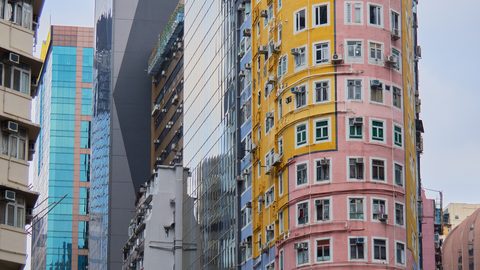 Where to Stay in Hong Kong a Shortlist of Districts Compared Honestly
Hong Kong districts vary wildly in rent, space, and commute reality. This shortlist compares where to stay based on what you actually get for your money.
Where to Stay in Hong Kong a Shortlist of Districts Compared Honestly
Hong Kong districts vary wildly in rent, space, and commute reality. This shortlist compares where to stay based on what you actually get for your money.
-
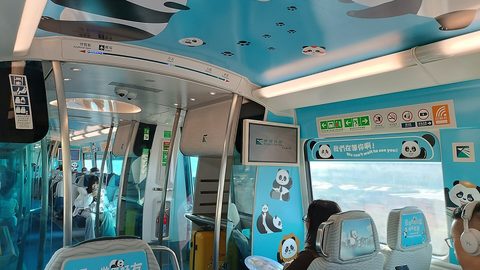 Hong Kong Flights, HKG Airport and the Airport Express
HKG to Central or Kowloon by Airport Express, taxi, or A-bus, plus how Hong Kong's in-town check-in makes it a strong flight hub.
Hong Kong Flights, HKG Airport and the Airport Express
HKG to Central or Kowloon by Airport Express, taxi, or A-bus, plus how Hong Kong's in-town check-in makes it a strong flight hub.
-
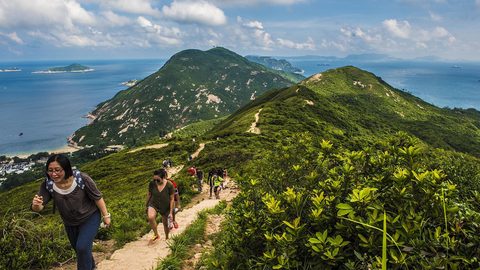 Hong Kong Weekends Hiking Trails Island Day Trips and Visitor Itineraries
Hong Kong's best escapes are minutes from the MTR: ridge hikes with harbour views, car-free islands with seafood, and fishing villages on stilts reachable in under an hour.
Hong Kong Weekends Hiking Trails Island Day Trips and Visitor Itineraries
Hong Kong's best escapes are minutes from the MTR: ridge hikes with harbour views, car-free islands with seafood, and fishing villages on stilts reachable in under an hour.
-
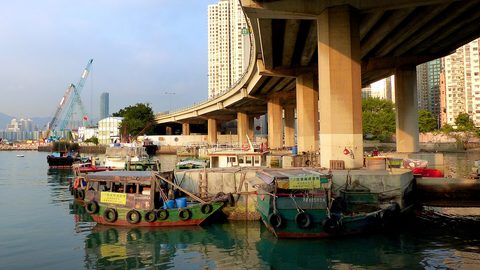 Best Time to Visit Hong Kong Weather Calendar and the Two Decisive Months
Hong Kong's best weather arrives from October to early December, with a secondary window in late March. Avoid Chinese New Year closures and the typhoon-prone summer.
Best Time to Visit Hong Kong Weather Calendar and the Two Decisive Months
Hong Kong's best weather arrives from October to early December, with a secondary window in late March. Avoid Chinese New Year closures and the typhoon-prone summer.
-
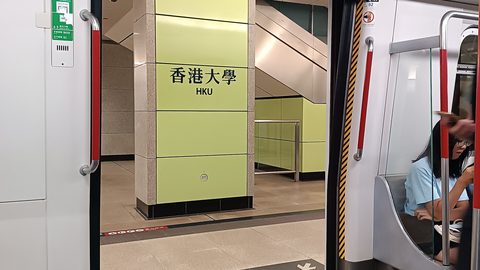 Getting Around Hong Kong MTR Octopus Minibuses and the Star Ferry
The MTR is the backbone of Hong Kong, but the Octopus card, minibuses, and exact-change rules on buses catch visitors out. Here is how to move without friction.
Getting Around Hong Kong MTR Octopus Minibuses and the Star Ferry
The MTR is the backbone of Hong Kong, but the Octopus card, minibuses, and exact-change rules on buses catch visitors out. Here is how to move without friction.
-
 Hong Kong Expat Cost of Living Broken Down by Lifestyle Tier
Real annual costs for expats in Hong Kong: budget, comfortable, and premium tiers covering rent by district, school fees, domestic helpers, and flights home.
Hong Kong Expat Cost of Living Broken Down by Lifestyle Tier
Real annual costs for expats in Hong Kong: budget, comfortable, and premium tiers covering rent by district, school fees, domestic helpers, and flights home.
-
 How to Set Up Your Finances When You First Arrive in Hong Kong
Open the right bank account, set up Octopus and FPS, and avoid costly transfer fees. A practical money setup guide for new arrivals in Hong Kong.
How to Set Up Your Finances When You First Arrive in Hong Kong
Open the right bank account, set up Octopus and FPS, and avoid costly transfer fees. A practical money setup guide for new arrivals in Hong Kong.
-
 Mobile Plans, SIM Cards and Connectivity Costs for Expats in Hong Kong
Compare 3HK, SmarTone, and CMHK mobile plans for Hong Kong expats. Monthly costs, data tiers, prepaid vs contract, and tips on staying connected abroad.
Mobile Plans, SIM Cards and Connectivity Costs for Expats in Hong Kong
Compare 3HK, SmarTone, and CMHK mobile plans for Hong Kong expats. Monthly costs, data tiers, prepaid vs contract, and tips on staying connected abroad.