Car Free Weekend Escapes From Hong Kong for New Residents
A practical guide to Car Free Weekend Escapes From Hong Kong for New Residents.

Car-free weekends for new Hong Kong residents
Moving to Hong Kong can feel like stepping into one of the most kinetic cities on earth. The streets hum with traffic, the MTR runs with clockwork intensity, and the skyline seems to grow taller by the month. For anyone still learning the rhythms of the city, the idea of a weekend escape can feel both essential and slightly daunting. The good news is that some of the most rewarding getaways require no car, no complex logistics, and no prior local knowledge. They begin at the ferry piers and MTR stations you already pass every day.
Hong Kong is threaded with public-transport links that lead directly to car-free islands, coastal trails, and historic villages. These are places where the pace drops, the air clears, and the city feels reassuringly distant. For new residents, they offer something beyond a day out: a way to understand the geography and layered character of the territory without needing to navigate highways or parking permits. The following escapes are all reachable by ferry, MTR, and bus. None requires a private vehicle at any stage.
Cheung Chau
Cheung Chau is one of the most straightforward introductions to Hong Kong's outlying islands. The island has no private cars at all, so movement is on foot or by rented bicycle from the moment you step off the ferry. Sun Ferry operates the service from Central Pier No. 5, with ordinary ferries taking roughly 55 to 60 minutes and fast ferries around 35 to 40 minutes. The crossing itself is part of the appeal, pulling the dense towers of Central into a receding panorama and replacing them with a low, green shoreline.
Once ashore, the waterfront promenade leads past seafood restaurants and dried-fish stalls before narrowing into lanes that wind toward the island's beaches and temples. Because there is no motor traffic, walking feels unusually relaxed. The absence of engine noise makes the island's soundscape noticeably different from the urban districts most new residents inhabit during the week. If you are still building your mental map of Hong Kong, Cheung Chau offers a compact and legible geography that is easy to explore without a fixed plan.
Lamma Island
Lamma Island is another car-free option with a distinctly different personality. Hong Kong and Kowloon Ferry connects Central Pier No. 4 to Yung Shue Wan in about 27 to 30 minutes, making it one of the shorter ferry rides among the major outlying islands. The village itself has a low-key, multicultural feel, with grocery shops and open-fronted cafes lining the narrow main street.
For a gentle walk that requires no route-finding skill, the Lamma Island Family Trail links Yung Shue Wan with Sok Kwu Wan. The path is paved and covers five kilometres, taking roughly an hour and a half at an easy pace. It is the kind of walk that suits a morning start followed by a seafood lunch at the far end. Sok Kwu Wan has its own ferry back to Central, so there is no need to retrace your steps. This point-to-point simplicity is worth noting for anyone who dislikes out-and-back routes. The trail also offers a practical way to see two sides of the island in a single afternoon without rushing.
Peng Chau
Peng Chau tends to be overlooked in favour of its larger neighbours, which is precisely why it deserves attention. The island is car-free and reached by Hong Kong and Kowloon Ferry from Central Pier No. 6, with a crossing of about 45 to 55 minutes. The slightly longer journey filters the crowd, and the island itself has a quiet, lived-in atmosphere that feels less shaped by weekend visitors than some other destinations.
The island is small enough to walk around in a few hours. Former industrial buildings, small temples, and a scattering of local eateries give it a texture that rewards slow exploration. For new residents, Peng Chau offers a chance to see a working island community rather than a purpose-built leisure zone. The absence of cars means children can wander more freely, and the waterfront benches are genuinely peaceful places to sit with a drink and watch the boat traffic on the channel.
Dragon’s Back and the eastern shore
Not every car-free escape requires a ferry. The Dragon's Back hike is on Hong Kong Island itself and is reached entirely by public transport. Take the MTR Island Line to Shau Kei Wan station and use Exit A3, then catch Bus 9 to the To Tei Wan stop on Shek O Road. The trailhead is steps from the bus stop, and no private vehicle is involved at any point.
The ridge walk is deservedly famous for its views over the South China Sea and the outlying islands, but its practical appeal for new residents is the ease of access. You can leave home mid-morning, complete the hike, and be back in the city by late afternoon. The route ends near Big Wave Bay, where a bus or minibus returns you to the MTR network. This makes it one of the most time-efficient nature experiences available without a car, and a useful option when ferry schedules do not align with your plans.
Lantau beyond the airport
Many new residents associate Lantau Island with the airport or Disneyland, but the island holds two very different car-free experiences that are connected directly to the MTR. The Ngong Ping 360 cable car runs from Tung Chung to Ngong Ping, covering 5.7 kilometres in about 25 minutes. The lower terminal is a five-minute walk from Tung Chung MTR station Exit B. From the upper terminus, you can visit the Big Buddha and Po Lin Monastery on foot.
Further west, Tai O fishing village is reached by taking the MTR Tung Chung Line to Tung Chung station, then New Lantao Bus route 11 direct to the Tai O bus terminus. The entire chain uses public transport, with no car required. Tai O's stilt houses and narrow waterways feel far removed from the glass-and-steel districts most newcomers call home. The contrast is instructive: it shows how quickly Hong Kong's urban density gives way to older, slower patterns of life once you cross the water.
Heritage trails and geopark access
For a weekend outing that focuses on history rather than coastline, the Ping Shan Heritage Trail in the New Territories links 14 traditional Chinese historic buildings along a 1.6-kilometre route. It is accessible via a three-minute walk from Tin Shui Wai MTR station Exit E3. The trail is flat, well-signed, and compact enough to combine with lunch in the area. It offers a structured introduction to the New Territories' walled villages and ancestral halls that requires no guide or advance booking.
If geology interests you more than architecture, the Volcano Discovery Centre in Sai Kung Waterfront Park serves as the official visitor centre for the Hong Kong UNESCO Global Geopark. It is reachable by public bus or minibus from multiple MTR stations, including Diamond Hill, Choi Hung, and Hang Hau. The centre provides context for the hexagonal rock columns and volcanic formations that make the geopark significant. Before making a special trip, check the centre's current opening status directly with the operator, as refurbishment work has been scheduled. The surrounding waterfront area of Sai Kung town is itself a pleasant place to spend a few hours, with its fishing boats and alfresco dining.
Planning around seasons and schedules
Several practical points help these escapes run smoothly. All outlying-island ferry operators accept Octopus card payment, so there is no need to carry exact change. Sunday and public holiday fares are higher than Monday-to-Saturday fares on all routes, which is worth factoring into your weekly budget if you plan to explore regularly.
Po Toi Island, the southernmost inhabited island in Hong Kong, is car-free with no roads and has public ferry service from Aberdeen or Stanley on Sundays and public holidays only. It is a striking destination, but its limited service pattern means it requires more advance planning than islands with daily connections. Confirm the current schedule with the ferry operators at Aberdeen Typhoon Shelter before setting out, as services are seasonal.
During the May-to-October typhoon season, check the Hong Kong Observatory before departure. A typhoon signal No. 3 or above suspends most outlying-island ferry services, and being stranded on an island is not the kind of adventure most new residents are looking for. Ferry schedules, fares, and last sailings for all outlying-island routes are subject to periodic revision, so confirm details with the relevant operator before travel. The same applies to the Ngong Ping 360 cable car: opening hours, ticket prices, and scheduled maintenance closure dates can change, so verify on the day of travel.
The advice here is simple. Build a habit of checking operator websites or notices before you leave home. The extra two minutes of confirmation can save a wasted journey. Over time, you will develop a sense of which islands suit different moods and seasons, and the checking process will become second nature. For now, the important thing is that none of these escapes requires a car, a licence, or any equipment beyond comfortable shoes and an Octopus card.
Sources and verification
- discoverhongkong.com — Research source checked for this guide
- td.gov.hk — Research source checked for this guide
- discoverhongkong.com — Research source checked for this guide
- hkkf.com.hk — Research source checked for this guide
- enjoyleisure.afcd.gov.hk — Research source checked for this guide
- np360.com.hk — Research source checked for this guide
Read next
-
 Hong Kong Hotels and Serviced Apartments Before a Lease
Serviced apartments in Wan Chai, Kennedy Town, and Sai Ying Pun compared for the six weeks before you sign a Hong Kong lease.
-
 Where to Stay in Hong Kong a Shortlist of Districts Compared Honestly
Hong Kong districts vary wildly in rent, space, and commute reality. This shortlist compares where to stay based on what you actually get for your money.
-
 Hong Kong Flights, HKG Airport and the Airport Express
HKG to Central or Kowloon by Airport Express, taxi, or A-bus, plus how Hong Kong's in-town check-in makes it a strong flight hub.
-
 Hong Kong Weekends Hiking Trails Island Day Trips and Visitor Itineraries
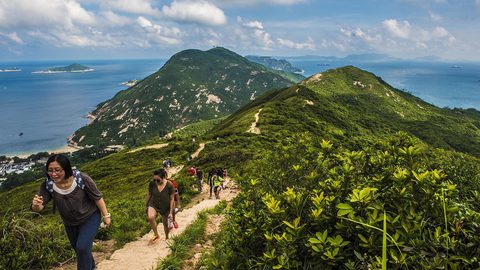
Hong Kong's best escapes are minutes from the MTR: ridge hikes with harbour views, car-free islands with seafood, and fishing villages on stilts reachable in under an hour.
-
 Best Time to Visit Hong Kong Weather Calendar and the Two Decisive Months
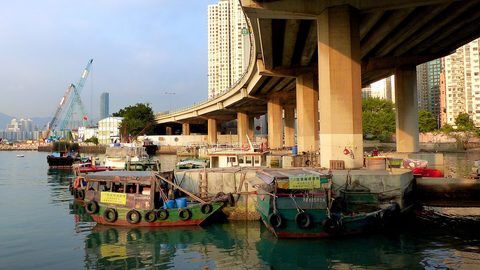
Hong Kong's best weather arrives from October to early December, with a secondary window in late March. Avoid Chinese New Year closures and the typhoon-prone summer.
-
 Getting Around Hong Kong MTR Octopus Minibuses and the Star Ferry
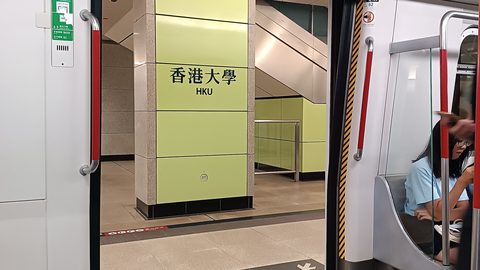
The MTR is the backbone of Hong Kong, but the Octopus card, minibuses, and exact-change rules on buses catch visitors out. Here is how to move without friction.
-
 Village House or High Rise Living in Hong Kong
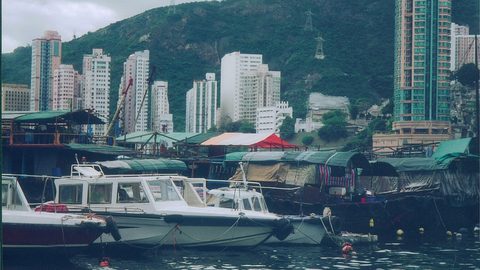
A practical guide to Village House or High Rise Living in Hong Kong.
-
 Hong Kong School Districts and the Commute Tradeoffs for Families
A practical guide to Hong Kong School Districts and the Commute Tradeoffs for Families.
-
 Your First 30 Days in Hong Kong An Expat Setup Checklist
A practical guide to Your First 30 Days in Hong Kong An Expat Setup Checklist.