Your First 30 Days in Hong Kong An Expat Setup Checklist
A practical guide to Your First 30 Days in Hong Kong An Expat Setup Checklist.
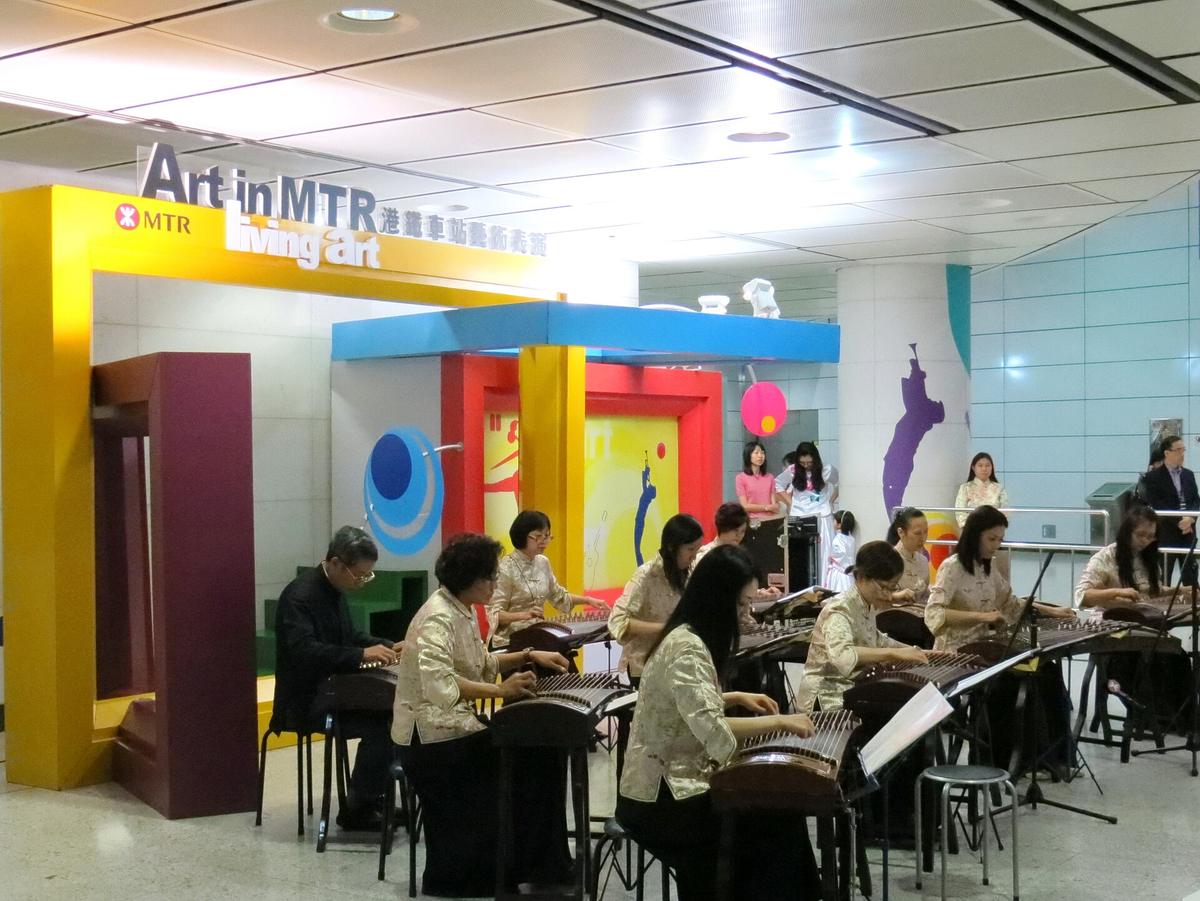

Your first month as a newly arrived expat
Landing in Hong Kong brings a rush of energy, but the first 30 days are also a narrow window for several legal and practical deadlines. Missing them can mean fines, delayed access to services, or extra trips to government offices. This checklist covers the non-negotiable tasks that must be completed within your first month, drawn from official requirements set by Hong Kong authorities. It does not attempt to cover housing searches, school enrolment, or social settling-in. Those are important, but they belong to a broader guide. Here, the focus stays on what has a hard 30-day clock attached to it.
The Hong Kong Identity Card deadline
If you are aged 11 or over and have permission to stay for more than 180 days, you must register for a Hong Kong Identity Card within 30 days of arrival. This is a statutory requirement administered by the Immigration Department. The card is not just an ID document. It determines your eligibility for public healthcare at subsidised rates and is routinely requested by banks, employers, and landlords.
Registration is not a walk-in process. You need an appointment booked through the GovHK website, the Immigration Department mobile app, or by calling 2598 0888. The booking window covers 96 working days ahead, so you can secure a slot before you even board your flight. Appointment availability varies by demand. Check current slot availability when you book, and be prepared to refresh the guidance or try less central Registration of Persons Offices if your preferred location shows no openings.
At the appointment, bring your valid travel document, your entry permit or visa showing your residential status, and any previous HKID card you hold. Originals are required. The first application is free. Processing usually takes five working days, excluding general holidays, and you can generally collect the new card on the next working day after processing is complete.
Setting up your Octopus card
An Octopus card is the closest thing Hong Kong has to a daily essential. It pays for the MTR, buses, ferries, and minibuses, and it works at convenience stores, supermarkets, and countless food outlets. You can buy an adult On-Loan Octopus card at any MTR Customer Service Centre for HK$200. That sum breaks down into a HK$50 refundable deposit and HK$150 in initial stored value.
There is no residency requirement to buy one, so you can do this on your first day. The card does not expire quickly and the deposit is returned if you surrender the card, minus a small handling fee if you have held it for a very short period. While digital payment apps are growing in Hong Kong, the Octopus card remains the fastest way through a turnstile and the only payment method accepted on some green minibus routes. Get it early, load extra value, and keep it in a pocket you can reach without thinking.
Employer obligations that affect your first month
If you are moving for a job, two employer-side processes run on timers that start on your first day of employment. You do not file these yourself, but you should know they exist so you can confirm they are underway.
First, your employer must file Form IR56E with the Inland Revenue Department within three months of your start date, provided you are likely to be chargeable to Salaries Tax. This notification triggers the creation of your tax file. If you leave Hong Kong permanently later, a tax clearance process will depend on this record existing.
Second, your employer must enrol you in a Mandatory Provident Fund scheme within the first 60 calendar days of employment if you are aged 18 to 64. Both you and your employer must each contribute 5% of your relevant income, subject to a minimum monthly relevant income of HK$7,100 and a maximum of HK$30,000. As a new employee, you get a contribution holiday: you are not required to make employee contributions for the first 30 days of employment and for the first incomplete wage period immediately following that 30-day period. This means your first one or two paycheques may look larger than you expect, but do not mistake the holiday for an error. The deductions will begin automatically once the holiday period ends.
Stamp duty on your tenancy agreement
If you sign a residential lease, stamp duty must be paid within 30 days of execution. This is not optional. An unstamped tenancy agreement is not admissible as evidence in court, and the Inland Revenue Department can impose penalties for late stamping. For a lease term exceeding one year but not exceeding three years, the rate is 0.5% of the yearly or average yearly rent.
In practice, landlords and agents often handle the stamping and split the cost, but the legal obligation rests on both parties. Confirm who will file and pay, and ask for the stamped copy. Do not let this slide past the 30-day mark. The calculation is straightforward, but if your lease includes unusual terms like a rent-free period or stepped rent, the average yearly rent may need careful working out. The Inland Revenue Department provides explanatory notes that cover these scenarios.
Public healthcare eligibility
Once you hold a Hong Kong Identity Card, you are classified as an Eligible Person for public healthcare services. This matters because the fee difference between Eligible and Non-Eligible Persons is substantial. At the Family Medicine Clinic, the consultation fee for Eligible Persons is HK$150 per attendance, effective from 1 January 2026. Specialist outpatient and inpatient services have separate, higher charges.
Public healthcare fees are subject to periodic revision by the Hospital Authority. Before attending a clinic or hospital, verify the current rates through the Hospital Authority's official channels. The HKID card is what unlocks the Eligible Person rate, which is another reason to complete your registration within the first 30 days. If you need medical attention before your card is ready, keep your appointment booking confirmation and travel document handy, and ask the clinic about interim billing arrangements.
Opening a bank account
There is no statutory 30-day deadline for opening a bank account, but doing it early makes everything else easier. Your employer will need a local account to pay your salary, and you will need one to set up automatic rent payments or link to payment apps.
Individual banks set their own documentary requirements. Typically, you will be asked for your HKID card or the acknowledgement of your HKID application, proof of residential address, proof of employment or source of funds, and your passport. Requirements vary between institutions. Some banks accept a letter from your employer as proof of address if you are staying in temporary accommodation. Others insist on a utility bill or a stamped tenancy agreement. Before you walk into a branch, check the Hong Kong Monetary Authority's guidance on account opening and maintenance, and call the bank to confirm what they need. This avoids a wasted trip and a second queue.
A suggested sequence for your first 30 days
You can compress the most time-sensitive tasks into a logical order. On day one, buy your Octopus card. It costs HK$200 and makes every subsequent errand faster. On the same day or before you travel, book your HKID appointment. The booking window is long, but slots in the first two weeks after arrival can fill quickly. Attend the appointment with your original documents. The card is free and processing takes about a week.
Once you have your HKID card, or at least the acknowledgement of your application, approach banks. Their requirements vary, so pick one that matches the documents you can produce. If you sign a lease, stamp it within 30 days. The rate for a lease of one to three years is 0.5% of the average yearly rent. Confirm with your employer that your MPF enrolment is underway within 60 days and that Form IR56E has been filed within three months. Your own MPF contributions will not start until after the 30-day contribution holiday plus the first incomplete wage period, so use that breathing room to build a cash buffer.
This sequence is not the only way, but it respects the hard deadlines while minimising backtracking. The HKID unlocks healthcare rates and bank access. The Octopus unlocks the city. The employer-side filings run on their own timers, but a quick check with HR gives you peace of mind.
Sources and verification
- immd.gov.hk — Research source checked for this guide
- immd.gov.hk — Research source checked for this guide
- immd.gov.hk — Research source checked for this guide
- mtr.com.hk — Research source checked for this guide
- ird.gov.hk — Research source checked for this guide
- mpfa.org.hk — Research source checked for this guide
Read next
-

 Hong Kong Hotels and Serviced Apartments Before a Lease
Serviced apartments in Wan Chai, Kennedy Town, and Sai Ying Pun compared for the six weeks before you sign a Hong Kong lease.
-
 Where to Stay in Hong Kong a Shortlist of Districts Compared Honestly
Hong Kong districts vary wildly in rent, space, and commute reality. This shortlist compares where to stay based on what you actually get for your money.
-
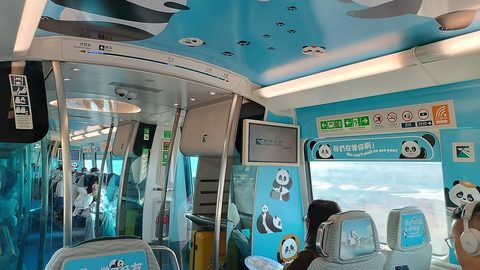 Hong Kong Flights, HKG Airport and the Airport Express
HKG to Central or Kowloon by Airport Express, taxi, or A-bus, plus how Hong Kong's in-town check-in makes it a strong flight hub.
-
 Hong Kong Weekends Hiking Trails Island Day Trips and Visitor Itineraries
Hong Kong's best escapes are minutes from the MTR: ridge hikes with harbour views, car-free islands with seafood, and fishing villages on stilts reachable in under an hour.
-
 Best Time to Visit Hong Kong Weather Calendar and the Two Decisive Months
Hong Kong's best weather arrives from October to early December, with a secondary window in late March. Avoid Chinese New Year closures and the typhoon-prone summer.
-
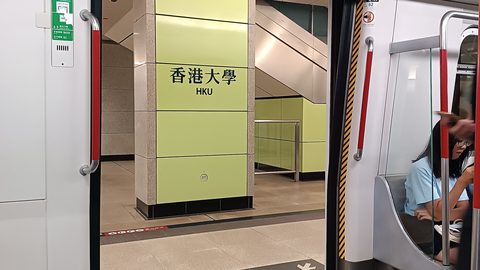 Getting Around Hong Kong MTR Octopus Minibuses and the Star Ferry
The MTR is the backbone of Hong Kong, but the Octopus card, minibuses, and exact-change rules on buses catch visitors out. Here is how to move without friction.
-
 A Digital Admin Checklist for Your First Week Living in Hong Kong
Set up mobile access, transport apps, government services and banking verification during your first week living in Hong Kong.
-
 Hong Kong Expat Cost of Living Broken Down by Lifestyle Tier
Real annual costs for expats in Hong Kong: budget, comfortable, and premium tiers covering rent by district, school fees, domestic helpers, and flights home.
-
 How to Set Up Your Finances When You First Arrive in Hong Kong
Open the right bank account, set up Octopus and FPS, and avoid costly transfer fees. A practical money setup guide for new arrivals in Hong Kong.