Reading Hong Kong Hiking Trail Grades and Matching Them to Summer Heat
A practical guide to Reading Hong Kong Hiking Trail Grades and Matching Them to Summer Heat.
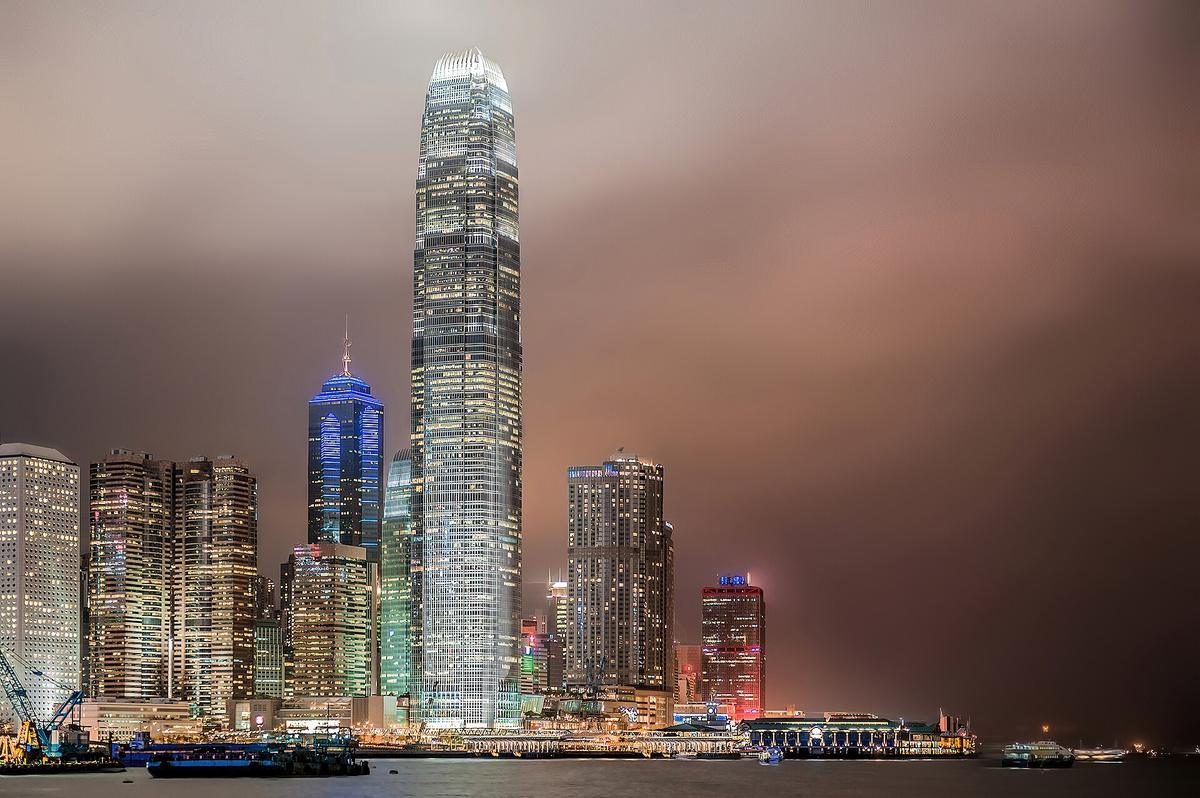

How Hong Kong grades its hiking trails
Hong Kong uses two official grading systems for hiking trails, and understanding both is the first step in matching a route to summer conditions. The Agriculture, Fisheries and Conservation Department (AFCD) applies a five-star difficulty scale to trails listed on its Enjoy Hiking platform. One star means Easy, two stars Moderate, three stars Demanding, four stars Difficult, and five stars Very Difficult. These ratings are not subjective. Each level corresponds to measurable thresholds for distance, duration, elevation gain and surface type.
A one-star trail runs under four kilometres, takes no more than an hour, climbs less than 100 metres in total, and follows a flat, smooth surface. At the opposite end, a five-star route stretches at least 15 kilometres, demands five hours or more, gains over 500 metres of elevation, and includes numerous stairs and hard-to-walk surfaces. The middle ratings fill the gaps between these extremes, giving hikers a consistent framework to assess physical demand before they step onto a trail.
The Leisure and Cultural Services Department (LCSD) operates a separate three-tier system for its 44 designated hiking routes. Those routes are labelled Easy, Moderate or Difficult, with the LCSD referencing both the international UIAA grading system and AFCD information when assigning levels. A route rated Easy by the LCSD does not automatically equal a one-star AFCD trail, because the two departments use different criteria and serve different sets of paths. When planning a summer hike, check which authority manages the trail and read its specific rating rather than assuming the scales are interchangeable.
The heat warnings that should change your plans
Hong Kong's summer heat is formally measured and warned against. The Hong Kong Observatory (HKO) issues a Very Hot Weather Warning whenever the daily maximum temperature is expected to hit 33°C or above. That figure is not taken from a single thermometer. The HKO draws on readings from multiple weather stations and factors in the Hong Kong Heat Index, a composite measure that combines temperature, humidity, wind speed and solar radiation. A Very Hot Weather Warning means the risk of heat stress is real and widespread, not just uncomfortable.
Since late May 2023, the HKO has added a sharper alert. When temperatures reach 35°C or above while a Very Hot Weather Warning is already in force, the Observatory pushes an "Extremely Hot" Special Weather Tips notification. This is not a separate warning category but an escalation that signals conditions have moved from dangerous to severe. For hikers, the difference between 33°C on an exposed ridge and 35°C in a humid, windless valley can be the margin between finishing a route safely and needing emergency assistance.
The Hong Kong Heat Index itself received a significant upgrade in April 2026, when the HKO added real-time data from eight additional weather stations. This means the index now reflects conditions across a wider geographic spread, including areas closer to popular hiking catchments. Before heading out, check the current warning status and the regional heat index values for the specific area where your trail is located. The HKO publishes this information through its Regional Weather page and the MyObservatory app. A warning that is not in force at dawn can be issued by mid-morning, so a pre-departure check is not a one-time task.
What the star rating does not tell you about summer
A trail's difficulty stars describe physical challenge, not thermal risk. A three-star route with full tree cover can be safer on a hot day than a one-star coastal path with zero shade. The AFCD recognises this gap and provides a separate shade indicator for each trail on its Enjoy Hiking website. That indicator tells you how much of the route is sheltered from direct sun, which directly affects your exposure and heat management. The AFCD is explicit that the shade indicator is not a guarantee that a route is cool or safe in hot weather. Even a well-shaded trail can become dangerous when the heat index is high and air movement is low.
This is where the grading systems and the weather warnings must be read together. A two-star trail that feels trivial in January can become a serious undertaking under a Very Hot Weather Warning, especially if the shade indicator shows long sections of exposure. The AFCD's Country Park Hiking Safety Guidelines, updated in May 2026, state plainly that hikers should avoid hiking on days of very hot weather, high humidity, with no wind, bad or unstable weather, or when the Air Quality Health Index reaches the serious level. These are not suggestions tucked into a footnote. They are the official safety position of the body that manages Hong Kong's country parks.
The AFCD also identifies the entire May to November window as a period when high temperatures may cause heat stroke and heat exhaustion, alongside risks from thunderstorms, typhoons and heavy showers. That is more than half the calendar year. During these months, the department advises hikers to plan a route shaded by trees, leave more time for rest, avoid prolonged exposure to direct sunlight, and drink ample water. These recommendations apply regardless of the star rating on the trailhead sign.
How to downgrade your trail choice for hot weather
Matching a trail grade to summer heat is an exercise in subtraction. Start with the trail's official star rating or LCSD level, then reduce your ambition based on three factors: the shade indicator, the forecast heat index for that specific area, and whether a Very Hot Weather Warning or Extremely Hot alert is active. There is no published formula for this adjustment, but a practical approach is to treat any warning as grounds to drop at least one difficulty tier from what you would attempt in cooler months. If you normally hike three-star trails, look at two-star or even one-star options when the temperature is forecast to reach 33°C or above.
The shade indicator is the tiebreaker. A two-star trail with extensive tree cover may still be viable under a Very Hot Weather Warning if you start early and carry enough water. A two-star trail with minimal shade and the same warning in force is a route to postpone. The AFCD does not publish a combined heat-risk rating, so the decision rests on your willingness to cross-reference the difficulty grade, the shade indicator, and the real-time weather data. This is not a perfect system, but it is the most complete picture available using official sources.
Time of day matters as much as route selection. The AFCD's summer guidance to leave more time for rest is not just about pace. It is an acknowledgement that heat slows the body in ways that a trail's distance and elevation figures cannot capture. A route rated at one hour in the AFCD system may take significantly longer when you are stopping for shade, managing your heart rate, and drinking more frequently. Build that buffer into your plan and treat the stated duration as a cool-weather baseline, not a summer promise.
The real cost of misreading the conditions
The gap between a trail grade and the day's heat can close violently. The Government Flying Service reports that heat-related illnesses accounted for 45 to 50 percent of its search and rescue callouts during summer months. That is nearly half of all summer emergency responses concentrated on a single, preventable category of incident. Heat exhaustion and heat stroke do not require a five-star trail. They require a mismatch between the hiker's condition, the environment, and the speed at which help can arrive.
On 9 August 2026, Hong Kong recorded 36.9°C at the HKO headquarters, the highest temperature since records began in 1884. That same day, a 64-year-old hiker died from suspected heatstroke on the Plover Cove Reservoir Country Trail. The trail's difficulty rating and shade characteristics are a matter of public record on the AFCD website. The temperature and warning status were published by the HKO. The fatality is not an argument against hiking. It is evidence that official grading systems and weather warnings are not abstract. They describe conditions that can kill when the two are not read together.
The Labour Department operates a parallel warning framework that reinforces how seriously Hong Kong treats heat stress. Its three-tier Heat Stress at Work Warning system uses Amber, Red and Black levels based on the Hong Kong Heat Index. As of August 2026, the system was enhanced to automatically raise the warning level by one tier when temperatures reach 35°C or above across Hong Kong. This is an occupational safety mechanism, not a hiking tool, but the underlying data is the same heat index that affects anyone outdoors. When the working world is instructed to escalate precautions, a recreational hiker on an exposed trail has no margin to ignore the same conditions.
What to verify before you leave
Several pieces of information are mutable and must be checked on the day of a hike. The Very Hot Weather Warning status and any Extremely Hot Special Weather Tips are published by the Hong Kong Observatory and can change within hours. The AFCD's Enjoy Hiking website lists current trail difficulty ratings, shade indicators, and any temporary closures or maintenance notices for individual routes. The Environmental Protection Department publishes the Air Quality Health Index, and the AFCD explicitly advises against hiking when the index at general stations reaches the serious level. Real-time Hong Kong Heat Index values by location are available through the HKO's Regional Weather page and the MyObservatory app.
None of these checks is optional if you are serious about matching a trail grade to summer heat. A star rating that was accurate when the AFCD assessed the route does not account for today's humidity, this afternoon's sun, or the air quality reading at the nearest monitoring station. The official systems give you the framework. The mutable data tells you whether the framework holds for the hours you plan to be on the trail.
Sources and verification
- hiking.gov.hk — Research source checked for this guide
- lcsd.gov.hk — Research source checked for this guide
- hko.gov.hk — Research source checked for this guide
- hko.gov.hk — Research source checked for this guide
- hko.gov.hk — Research source checked for this guide
- afcd.gov.hk — Research source checked for this guide
Read next
-

 Hong Kong Hotels and Serviced Apartments Before a Lease
Serviced apartments in Wan Chai, Kennedy Town, and Sai Ying Pun compared for the six weeks before you sign a Hong Kong lease.
-
 Where to Stay in Hong Kong a Shortlist of Districts Compared Honestly
Hong Kong districts vary wildly in rent, space, and commute reality. This shortlist compares where to stay based on what you actually get for your money.
-
 Hong Kong Flights, HKG Airport and the Airport Express
HKG to Central or Kowloon by Airport Express, taxi, or A-bus, plus how Hong Kong's in-town check-in makes it a strong flight hub.
-
 Hong Kong Weekends Hiking Trails Island Day Trips and Visitor Itineraries
Hong Kong's best escapes are minutes from the MTR: ridge hikes with harbour views, car-free islands with seafood, and fishing villages on stilts reachable in under an hour.
-
 Best Time to Visit Hong Kong Weather Calendar and the Two Decisive Months
Hong Kong's best weather arrives from October to early December, with a secondary window in late March. Avoid Chinese New Year closures and the typhoon-prone summer.
-
 Getting Around Hong Kong MTR Octopus Minibuses and the Star Ferry
The MTR is the backbone of Hong Kong, but the Octopus card, minibuses, and exact-change rules on buses catch visitors out. Here is how to move without friction.
-
 What to Bring to a Hong Kong Junk Boat as a First Time Guest
A practical guide to What to Bring to a Hong Kong Junk Boat as a First Time Guest.
-
 A Beginner's Walk Through a Hong Kong Wet Market Without the Intimidation
A practical guide to A Beginner's Walk Through a Hong Kong Wet Market Without the Intimidation.
-
 What a Hong Kong Summer Electricity Bill Looks Like With the AC Running
A practical guide to What a Hong Kong Summer Electricity Bill Looks Like With the AC Running.