A Beginner's Walk Through a Hong Kong Wet Market Without the Intimidation
A practical guide to A Beginner's Walk Through a Hong Kong Wet Market Without the Intimidation.
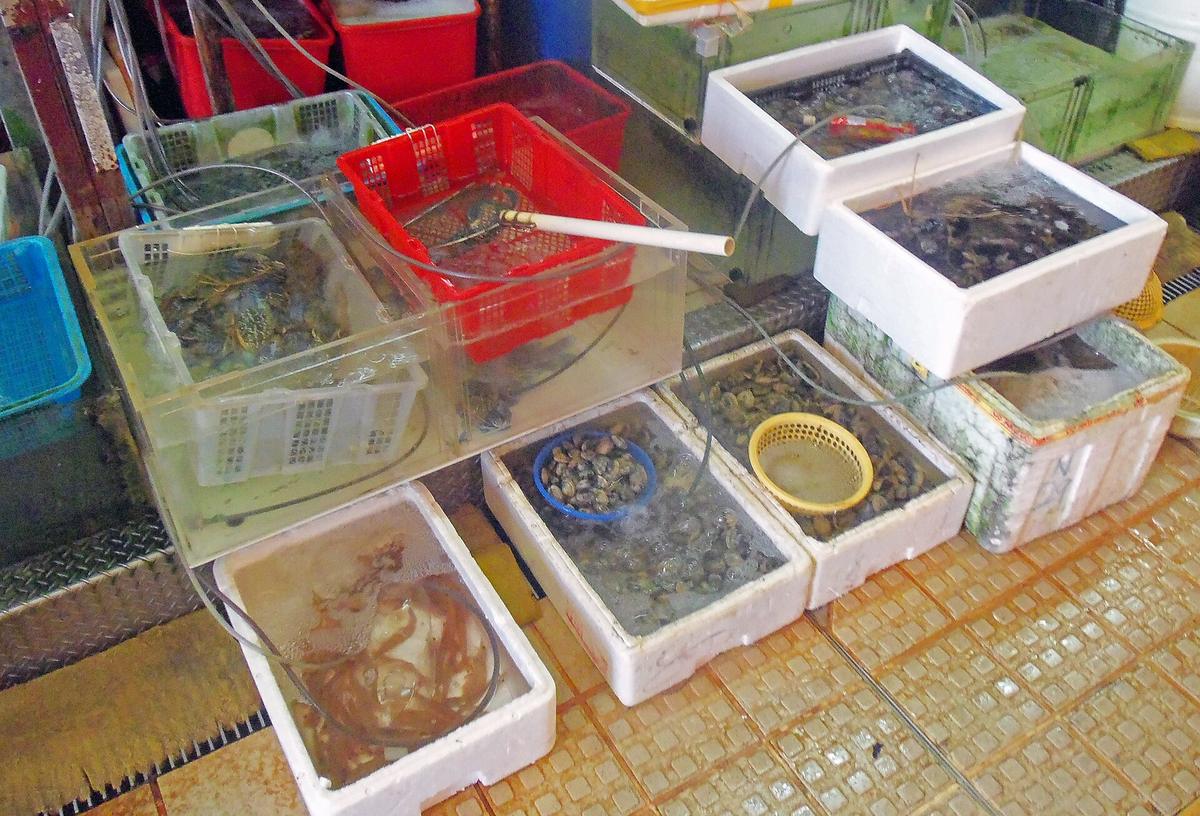

What Makes a Market Wet
The term “wet market” paints an immediate picture for anyone who has stepped through one of Hong Kong’s bustling fresh-food halls. The name comes from the damp floors that are a constant feature of these spaces. Stallholders regularly hose down their areas, and ice used to keep seafood displays fresh melts steadily throughout the day, leaving surfaces wet from morning until closing time. In Cantonese, these markets are called “gaai si” (街市), which translates literally to “street market,” a nod to their open-air origins that persist in a handful of historic locations even as most have moved into purpose-built municipal buildings.
Understanding this environment before you arrive removes much of the uncertainty. The wet floors are not a sign of poor maintenance but of a market operating exactly as intended. Wear shoes with some grip and accept that this is a working food hall, not a polished supermarket aisle. The sensory experience is part of the appeal: the smell of fresh seafood, the sound of cleavers on butcher blocks, and the sight of vegetables stacked high and glistening from a recent spray of water.
The Public Market System
Hong Kong’s wet markets are not a free-for-all of unregulated vendors. The Food and Environmental Hygiene Department (FEHD) manages 93 public markets and cooked food markets across the territory, housing approximately 13,100 stalls under one administrative umbrella. This means the markets you are most likely to visit operate within a structured system with consistent standards. Public scales are available in FEHD-managed markets specifically so customers can verify the weight of purchased goods, a practical safeguard that first-time visitors should know exists.
Individual stall opening hours vary, and the FEHD publishes current information on its public markets through official channels. Before planning a visit to a specific market, check the department’s market listings for operating hours rather than relying on a single posted time. Some stalls close earlier than the official market hours once they have sold through their daily stock, so arriving with time to browse is wiser than targeting the final hour of operation.
Two Markets Worth Knowing
Graham Street Market in Central holds a special place in Hong Kong’s food landscape. Established around 1900, it is the city’s oldest continuously operating outdoor wet market and one of the last remaining open-air examples. Walking its lanes gives you a sense of what street-market shopping looked like before most vendors moved indoors. The market sits amid the towers of Central, creating a striking contrast between old and new Hong Kong.
For sheer scale, Kowloon City Market on Nga Tsin Wai Road is unmatched. With nearly 600 stalls and a history spanning more than a century, it is Hong Kong’s largest wet market. The variety here can be overwhelming for a beginner, but that breadth also makes it an excellent place to observe how different sections are organised. Meat, seafood, produce, and dry goods typically cluster together, and spending a few minutes walking the perimeter before diving in helps you orient yourself.
How Goods Are Weighed and Sold
Fresh produce, meat, and seafood in Hong Kong wet markets are sold by the catty (斤), a traditional Chinese unit equal to approximately 605 grams or 1.3 pounds. One catty divides into 16 taels (兩), with each tael equalling roughly 37.8 grams. Stallholders quote prices per catty, and your purchase is weighed on the spot. If you are accustomed to thinking in kilograms or pounds, a rough mental conversion helps: one catty is a little over 600 grams, so two catties are about 1.2 kilograms.
You do not need to memorise the conversion to shop effectively. Pointing at what you want and indicating how much is perfectly acceptable. Many shoppers use hand gestures or simple English numbers. The public scales provided by the FEHD offer a way to double-check weights after purchase, a step that is routine rather than confrontational.
Timing Your Visit
The rhythm of a wet market shifts noticeably across the day. Early morning, roughly between 6:00 AM and 9:00 AM, is when deliveries have arrived and selection reaches its peak. This is the window for the freshest produce and the widest variety, though it also brings the most activity as restaurant buyers and early-rising home cooks do their shopping.
Late afternoon brings a different kind of opportunity. Many produce stalls begin offering discounted prices after 3:00 PM and continue reducing them until sell-out. If your priority is value over maximum choice, this is the practical window. The tradeoff is straightforward: morning visits reward you with abundance, afternoon visits reward you with bargains on what remains. Neither is objectively better; the right choice depends on whether freshness or cost matters more for your plans.
Payment and Practical Etiquette
Payment habits in wet markets are shifting, but unevenly. Many stalls remain cash-only businesses, while an increasing number now accept Octopus cards, WeChat Pay, AlipayHK, and other contactless methods. The availability of digital payment options varies significantly by stall and by market. The FEHD publishes updated market information that can indicate which markets have broader adoption of electronic payments, but the safest approach is to carry enough cash to cover your intended purchases regardless of what any single source claims about a market’s payment readiness.
A point of etiquette that catches some first-time visitors off guard: some shopkeepers prefer customers not to touch produce directly. This is not universal, and the best approach is to observe what regular shoppers are doing before reaching for goods. If locals are pointing rather than picking up items, follow their lead. If they are handling produce to inspect it, you likely can too. This small act of observation costs nothing and signals respect for the stallholder’s preferences.
Navigating Your First Visit
Start with a walk-through. Enter the market, pick a direction, and spend ten minutes simply observing the layout, the flow of shoppers, and how transactions unfold. Notice which stalls attract queues and which have quieter rhythms. This reconnaissance makes the actual shopping far less intimidating because you have already absorbed the market’s tempo.
Choose one or two items to buy on your first outing rather than attempting a full grocery shop. A piece of fruit, a few vegetables, or a small portion of something familiar gives you a low-stakes transaction to practise the rhythm of pointing, hearing the price, paying, and receiving your goods. Success with a small purchase builds confidence for a larger shop on a return visit.
If you are uncertain about a price or a weight, the public scales are there to be used. Checking your purchase is not an accusation; it is a normal part of the market ecosystem that the FEHD explicitly supports. Approach it matter-of-factly, the way a local shopper would.
Sources and verification
- ohmyking.com — Research source checked for this guide
- fehd.gov.hk — Research source checked for this guide
- customs.gov.hk — Research source checked for this guide
- discoverhongkong.com — Research source checked for this guide
- discoverhongkong.com — Research source checked for this guide
- [fehd.gov.hk](https://www.fehd.gov.hk/english/legco/2025-26/EEB(F) — Research source checked for this guide
Read next
-
 Hong Kong Hotels and Serviced Apartments Before a Lease
Serviced apartments in Wan Chai, Kennedy Town, and Sai Ying Pun compared for the six weeks before you sign a Hong Kong lease.
-
 Where to Stay in Hong Kong a Shortlist of Districts Compared Honestly
Hong Kong districts vary wildly in rent, space, and commute reality. This shortlist compares where to stay based on what you actually get for your money.
-
 Hong Kong Flights, HKG Airport and the Airport Express
HKG to Central or Kowloon by Airport Express, taxi, or A-bus, plus how Hong Kong's in-town check-in makes it a strong flight hub.
-
 Hong Kong Weekends Hiking Trails Island Day Trips and Visitor Itineraries
Hong Kong's best escapes are minutes from the MTR: ridge hikes with harbour views, car-free islands with seafood, and fishing villages on stilts reachable in under an hour.
-
 Best Time to Visit Hong Kong Weather Calendar and the Two Decisive Months
Hong Kong's best weather arrives from October to early December, with a secondary window in late March. Avoid Chinese New Year closures and the typhoon-prone summer.
-
 Getting Around Hong Kong MTR Octopus Minibuses and the Star Ferry
The MTR is the backbone of Hong Kong, but the Octopus card, minibuses, and exact-change rules on buses catch visitors out. Here is how to move without friction.
-
 What to Bring to a Hong Kong Junk Boat as a First Time Guest
A practical guide to What to Bring to a Hong Kong Junk Boat as a First Time Guest.
-
 What a Hong Kong Summer Electricity Bill Looks Like With the AC Running
A practical guide to What a Hong Kong Summer Electricity Bill Looks Like With the AC Running.
-
 Hong Kong Stamp Duty on a Rental Agreement What Expats Actually Pay
A practical guide to Hong Kong Stamp Duty on a Rental Agreement What Expats Actually Pay.