Space and Privacy Rules for a Live In Helper in a Hong Kong Flat
A practical guide to Space and Privacy Rules for a Live In Helper in a Hong Kong Flat.


What the live-in requirement actually means
Every foreign domestic helper in Hong Kong works under a Standard Employment Contract that contains a strict live-in rule. The helper must both work and sleep at the employer's residence for the entire employment period. This obligation does not pause on rest days, statutory holidays or during paid annual leave. Even when the employer travels away from Hong Kong, the helper cannot be compelled to leave the flat. The residence listed on the contract is a single address only. An employer cannot split the helper's time between two properties or ask them to work at a second home. If you move house during the contract period, you must notify the Director of Immigration by submitting a revised Schedule of Accommodation and Domestic Duties. The live-in requirement shapes every other rule about space and privacy, so understanding it clearly is the first step toward a compliant arrangement.
The minimum facilities an employer must provide
Before a visa application can be approved, the employer must confirm that six essential facilities are available free of charge. These are a light and water supply, toilet and bathing facilities, a bed, blankets or a quilt, pillows, and a wardrobe. The Immigration Department treats this list as a baseline. An application will normally not be approved if any of these six items is missing. The bed must be a proper sleeping surface, not a temporary arrangement. The wardrobe should offer reasonable storage for personal belongings. These requirements apply regardless of flat size, and meeting them is not a gesture of generosity. It is a contractual obligation written into the Schedule of Accommodation and Domestic Duties that accompanies every standard helper contract.


Privacy standards and sleeping arrangements
Hong Kong's regulations do not require employers to give a helper a separate bedroom. A helper may share a room with a child or sleep in a partitioned area, provided the setup offers reasonable privacy. What the authorities explicitly deem unsuitable is more instructive. A helper should not share a room with an adult or teenager of the opposite sex. A made-do bed placed in a corridor with little privacy is also explicitly considered unsuitable. These two prohibitions set a practical floor for what reasonable privacy means. A curtained-off corner of a living room might be acceptable if it is not a thoroughfare and the helper can retreat there undisturbed after work. A mattress in a hallway that family members constantly pass through is not. When planning a sleeping area, ask whether the helper can change clothes, make a private phone call and rest without being on display. If the answer is no, the arrangement probably falls short of the contractual standard.
Public housing estates and the consent requirement
If the contractual address is a flat in a Housing Department or Hong Kong Housing Society estate, an extra step applies. The employer must obtain a letter of consent from the respective housing authority that explicitly grants permission for the helper to live there. A copy of the tenancy agreement must also be provided. This is not a formality that can be skipped. The Immigration Department checks for this consent during the visa application process. Employers renting privately do not face this requirement, but those in subsidised housing should start the consent application early. Housing authority processing times can vary, and a missing consent letter will delay or block the helper's visa. If you are unsure whether your estate falls under the Housing Department or the Housing Society, check your tenancy agreement or contact the estate management office directly before submitting the helper's contract.
CCTV, surveillance and the helper’s private spaces
Installing cameras inside a Hong Kong flat is not prohibited, but where they point and how they are disclosed carries legal weight. Any CCTV system must not capture images of activities inside toilets, bathrooms or the private area where the helper rests after work. The Office of the Privacy Commissioner draws a clear line around these spaces. Covert monitoring is strongly discouraged and should only be considered as a last resort with strong justification. Even then, the employer must notify the helper openly about any camera installation before monitoring begins. Failing to do so may breach the Personal Data (Privacy) Ordinance. A practical approach is to walk through the flat with the helper before cameras are installed, point out every device, explain what it records and confirm that no lens covers the helper's sleeping or washing areas. Documenting this conversation in writing provides a record for both sides.
When accommodation arrangements change
Moving flat is the most obvious trigger for updating the helper's contract, but smaller changes to the accommodation setup can also matter. The employer must notify the Director of Immigration of any change to the residential address or accommodation arrangements. This is done by submitting a signed copy of the Revised Schedule of Accommodation and Domestic Duties. If a renovation temporarily alters where the helper sleeps, or if a child moves out and the room-sharing arrangement shifts, consider whether the change is material enough to report. The safest approach is to treat any significant alteration to sleeping quarters, privacy levels or the facilities listed in the original schedule as notifiable. The form itself is straightforward, and filing it keeps the contract accurate. An outdated schedule that no longer reflects reality can create problems if a dispute arises later.
Practical advice for a compliant setup
Meeting the legal minimum is not the same as building a workable long-term living arrangement. The regulations set a floor, but a helper who feels cramped, exposed or unable to rest properly is less likely to stay. When assessing a flat, measure the sleeping area against the two explicit prohibitions: no sharing with an opposite-sex adult or teenager, and no corridor bed with little privacy. Then check the six essential facilities. If any item is missing, fix it before the visa application. For public housing tenants, start the consent process early. If cameras are part of your household, map their fields of view and confirm in writing that private areas are excluded. The wage and food allowance are reviewed periodically by the HKSAR Government, so check the Labour Department's website for the current rates before signing a new contract. These figures change on set dates and apply only to contracts signed on or after the effective date of the latest adjustment. Relying on an outdated number can lead to underpayment. A compliant setup protects both the employer and the helper, and it starts with treating the contract's accommodation clauses as fixed obligations rather than negotiable suggestions.
Sources and verification
- immd.gov.hk — Research source checked for this guide
- immd.gov.hk — Research source checked for this guide
- [immd.gov.hk](https://www.immd.gov.hk/pdforms/ID(E) — Research source checked for this guide
- fdh.labour.gov.hk — Research source checked for this guide
- fdh.labour.gov.hk — Research source checked for this guide
- immd.gov.hk — Research source checked for this guide
Read next
-
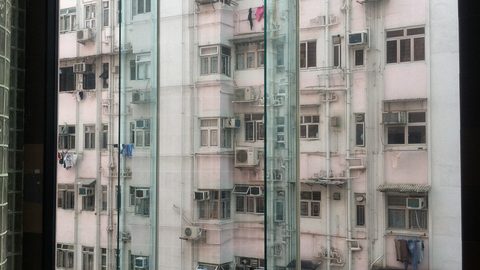
 Hong Kong Hotels and Serviced Apartments Before a Lease
Serviced apartments in Wan Chai, Kennedy Town, and Sai Ying Pun compared for the six weeks before you sign a Hong Kong lease.
-
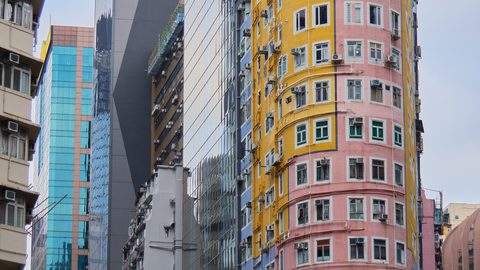 Where to Stay in Hong Kong a Shortlist of Districts Compared Honestly
Hong Kong districts vary wildly in rent, space, and commute reality. This shortlist compares where to stay based on what you actually get for your money.
-
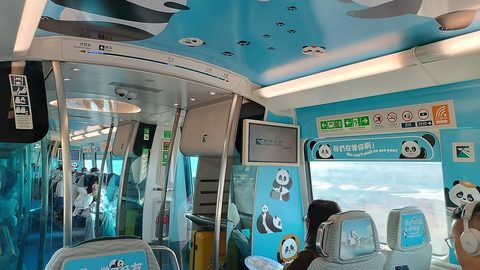 Hong Kong Flights, HKG Airport and the Airport Express
HKG to Central or Kowloon by Airport Express, taxi, or A-bus, plus how Hong Kong's in-town check-in makes it a strong flight hub.
-
 Hong Kong Weekends Hiking Trails Island Day Trips and Visitor Itineraries
Hong Kong's best escapes are minutes from the MTR: ridge hikes with harbour views, car-free islands with seafood, and fishing villages on stilts reachable in under an hour.
-
 Best Time to Visit Hong Kong Weather Calendar and the Two Decisive Months
Hong Kong's best weather arrives from October to early December, with a secondary window in late March. Avoid Chinese New Year closures and the typhoon-prone summer.
-
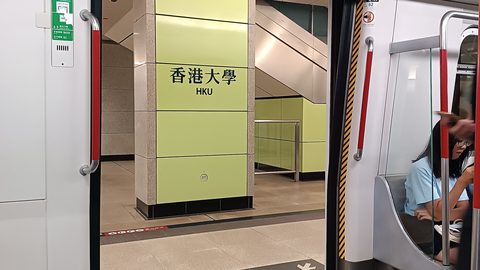 Getting Around Hong Kong MTR Octopus Minibuses and the Star Ferry
The MTR is the backbone of Hong Kong, but the Octopus card, minibuses, and exact-change rules on buses catch visitors out. Here is how to move without friction.
-
 Domestic Helper Agency or Direct Hire in Hong Kong the Real Cost Difference
A practical guide to Domestic Helper Agency or Direct Hire in Hong Kong the Real Cost Difference.
-
 Car Free Weekend Escapes From Hong Kong for New Residents
A practical guide to Car Free Weekend Escapes From Hong Kong for New Residents.
-
 Village House or High Rise Living in Hong Kong
A practical guide to Village House or High Rise Living in Hong Kong.