Understanding Hong Kong School Places, Debentures and Waiting Lists
The true cost of a Hong Kong international school place includes debentures, capital levies and a long wait.
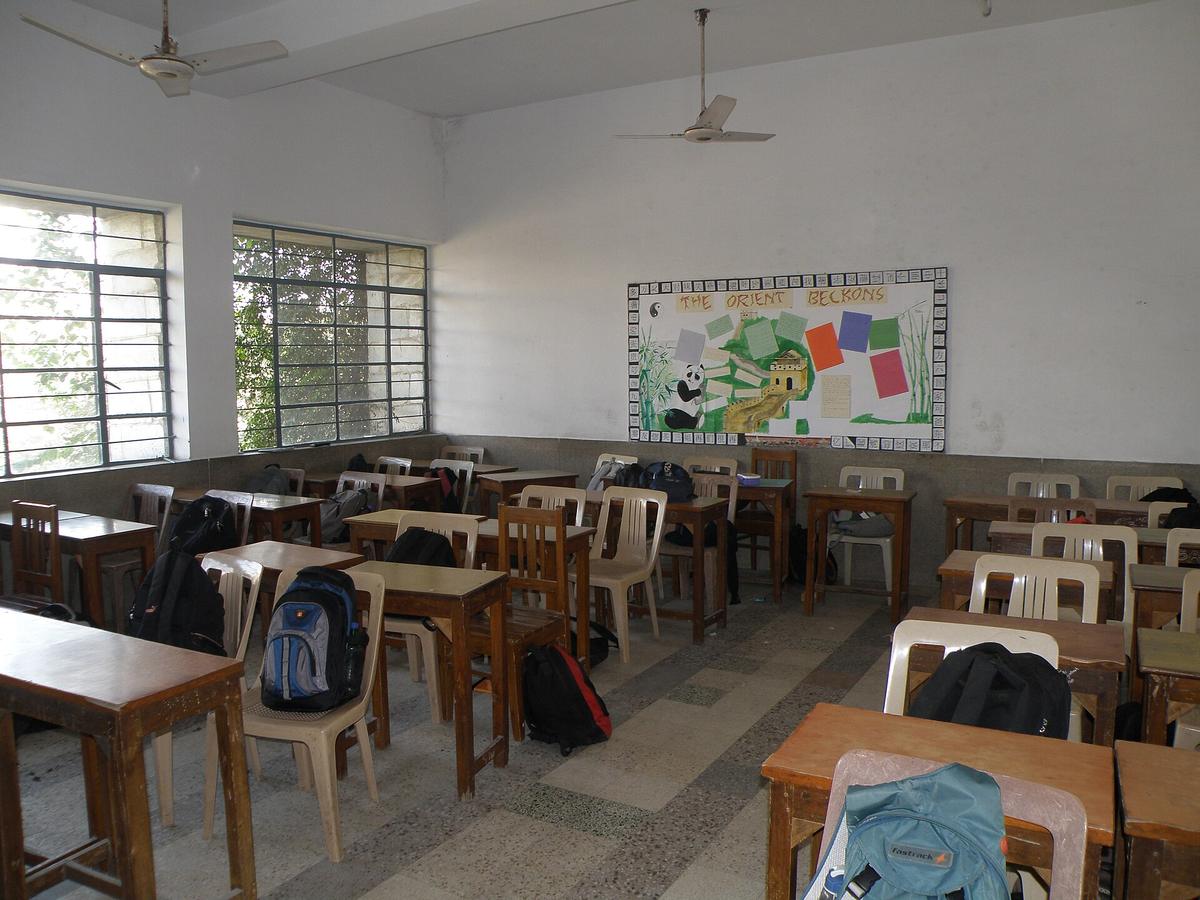

The Real Cost of a Hong Kong International School Place
The first number you need is this: total annual cost per child for a Year 7 student at a private international school can reach HKD 830,000 once you add tuition, a one-time debenture, and a non-refundable capital levy. At an English Schools Foundation (ESF) school, that same year costs HKD 160,900, including the new-student capital levy but no debenture. The difference is not just curriculum or language. It is a financial structure that traps families who fail to plan three years ahead.
Hong Kong has four international school types: English National Curriculum schools that run IGCSEs at 16 and A-Levels at 18; International Baccalaureate (IB) schools offering the IB Diploma or IB Career-Related Programme; American schools offering a US High School Diploma with Advanced Placement options; and the English Schools Foundation, which operates 22 schools across primary, secondary, kindergarten and special education. ESF schools are subvented by the Hong Kong Government, which keeps their fees roughly half to two-thirds of fully private competitors.
Payment Types And What They Cost
Understand the payment types clearly because the vocabulary determines your budget. A debenture is a one-time, non-interest-bearing payment required when you accept a place. It can range from HKD 20,000 to over HKD 5 million depending on the school and whether it is an individual or corporate debenture. Refundability varies: some schools return the full amount on departure, some deduct an administration fee, and some depreciate the value over time. A corporate debenture, bought by an employer, may give priority admission but is not transferable if you change jobs. A capital levy is separate and different. It is a non-refundable payment for facilities and development, charged either annually (HKD 20,000 to 60,000) or as a one-time fee (HKD 200,000 to 600,000). ESF charges a flat non-refundable capital levy of HKD 38,000 for new students from the 2023/24 academic year, regardless of year group.
The Failure Case
The failure case: you apply for Year 7 in October of the year before entry and learn the school requires a HKD 500,000 debenture, a HKD 50,000 capital levy, and has a waiting list of 18 months. You have no priority category. Your child does not enter until Year 9, if at all. The typical application lead time is one to two years before the intended start date, and waiting lists are common for top-tier schools, especially at Year 7 and Year 12 entry points.
ESF vs Private: the Two Financial Tracks
The ESF system is the cheaper, more predictable route. Annual tuition for Year 1 is HKD 81,000; Year 7 is HKD 122,900; Year 12, 13 is HKD 140,700. Add the HKD 38,000 capital levy once per student, and no debenture is required. ESF schools follow the IB Primary Years Programme, IGCSE or GCSE in Years 10, 11, and the IB Diploma in Years 12, 13. The system has 22 schools, and places are still competitive, but the financial shock is lower.
Private international schools operate on a different model. Annual tuition ranges from HKD 80,000 to 190,000 for Reception or Year 1, HKD 120,000 to 230,000 for Year 7, and HKD 130,000 to 270,000 for Year 12, 13. On top of that, a debenture of HKD 20,000 to over HKD 5 million may be required on acceptance. Some schools bundle the debenture and capital levy into a single acceptance fee. Others charge both separately. Ask the admissions office directly: is the debenture refundable, and under what conditions? What is the capital levy, annual or one-time, and is it waived for debenture holders?
Worst-Case Cost Comparison
The real per-child cost difference emerges when you calculate worst case. A Year 7 student at a private school charging HKD 200,000 tuition, a HKD 500,000 debenture amortised over five years, and a HKD 50,000 annual capital levy costs HKD 350,000 per year. ESF Year 7, by contrast, costs HKD 160,900 in the first year and HKD 122,900 each year after. Over five years, the private school costs HKD 1.75 million more per child. For two children, that gap is HKD 3.5 million.
Application Timing and Priority Categories
Apply 18 to 24 months before your child's intended start date. Waiting lists are real, and they are longest for Year 7 and Year 12, when schools admit the largest cohorts. Schools prioritise applicants in this order: corporate debenture holders, siblings of current students, children of alumni, and passport holders of the school's founding nationality. If your child falls into none of these categories, your chance of entry drops significantly at selective schools.
Where To Live
The geography of international schools matters for logistics. The three main clusters are Hong Kong Island Southside (Repulse Bay, Stanley, Pok Fu Lam), Kowloon Tong, and the New Territories around Sai Kung, Clear Water Bay, and Discovery Bay. Live outside these clusters and your child faces a school bus commute that can exceed 60 minutes one way during peak traffic. Many families move residential areas specifically to reduce that commute. The local school system uses a Primary One Admission (POA) system with 36 school nets, and families targeting local or aided primary schools often change address before the application year. That same residential zoning pressure applies to international school families, but without the formal net system: you just need to be within a manageable bus route.
If You Miss The Window
If you miss the application window for a Year 7 place, options shrink. Some schools accept mid-year transfers if a spot opens, but most hold waiting lists that are non-transferable between years. The Direct Subsidy Scheme (DSS) schools offer an alternative: government-subsidised schools that charge fees from zero to HKD 80,000 per year and can offer the HKDSE, the IB, or a dual track. DSS schools are not international schools, but some deliver the IB and have lower financial barriers. They are also competitive and require applications at least one year ahead.

Common Questions
What is the difference between a debenture and a capital levy?
A debenture is a one-time, non-interest-bearing payment required on acceptance, usually refundable on departure. A capital levy is a non-refundable payment for school facilities, charged annually or one-time. You may have to pay both.
How much does ESF cost per year?
ESF tuition is HKD 81,000 for Year 1, HKD 122,900 for Year 7, and HKD 140,700 for Year 12, 13. A one-time non-refundable capital levy of HKD 38,000 applies to new students from 2023/24. No debenture is required.
How far ahead should I apply to an international school?
One to two years before the intended start date. Waiting lists are common for top-tier schools, especially for Year 7 and Year 12 entry.
Do I get the debenture money back?
It depends on the school. Some refund the full amount on departure, some deduct an administration fee, and some depreciate the value over time. Check the specific terms before paying.
What if I cannot get a place at an international school?
Consider Direct Subsidy Scheme (DSS) schools, which charge HKD 0, 80,000 per year and may offer the IB. They are less expensive and do not require debentures, but are still competitive and require early application.
Read next
-
 Hong Kong Expat Cost of Living Broken Down by Lifestyle Tier
Real annual costs for expats in Hong Kong: budget, comfortable, and premium tiers covering rent by district, school fees, domestic helpers, and flights home.
Hong Kong Expat Cost of Living Broken Down by Lifestyle Tier
Real annual costs for expats in Hong Kong: budget, comfortable, and premium tiers covering rent by district, school fees, domestic helpers, and flights home.
-
 How to Set Up Your Finances When You First Arrive in Hong Kong
Open the right bank account, set up Octopus and FPS, and avoid costly transfer fees. A practical money setup guide for new arrivals in Hong Kong.
How to Set Up Your Finances When You First Arrive in Hong Kong
Open the right bank account, set up Octopus and FPS, and avoid costly transfer fees. A practical money setup guide for new arrivals in Hong Kong.
-
 Mobile Plans, SIM Cards and Connectivity Costs for Expats in Hong Kong
Compare 3HK, SmarTone, and CMHK mobile plans for Hong Kong expats. Monthly costs, data tiers, prepaid vs contract, and tips on staying connected abroad.
Mobile Plans, SIM Cards and Connectivity Costs for Expats in Hong Kong
Compare 3HK, SmarTone, and CMHK mobile plans for Hong Kong expats. Monthly costs, data tiers, prepaid vs contract, and tips on staying connected abroad.
-
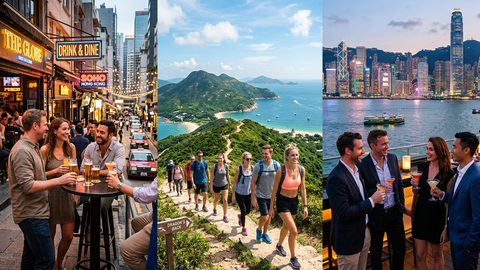 Where Hong Kong Expats Actually Spend Their Evenings and Weekends
How expats in Hong Kong actually spend their free time. Hiking groups, waterfront bars, beach clubs, and the Happy Valley racing ritual with real costs.
Where Hong Kong Expats Actually Spend Their Evenings and Weekends
How expats in Hong Kong actually spend their free time. Hiking groups, waterfront bars, beach clubs, and the Happy Valley racing ritual with real costs.