Wan Chai and Causeway Bay: Older Buildings, Lower Rates
Wan Chai and Causeway Bay trade polish for price, with older buildings, wet markets, and the same Island Line access.
- Population
- 180,000
- Currency
- HKD
- Timezone
- Asia/Hong_Kong
Wan Chai and Causeway Bay: the Hong Kong Island Rate Hack
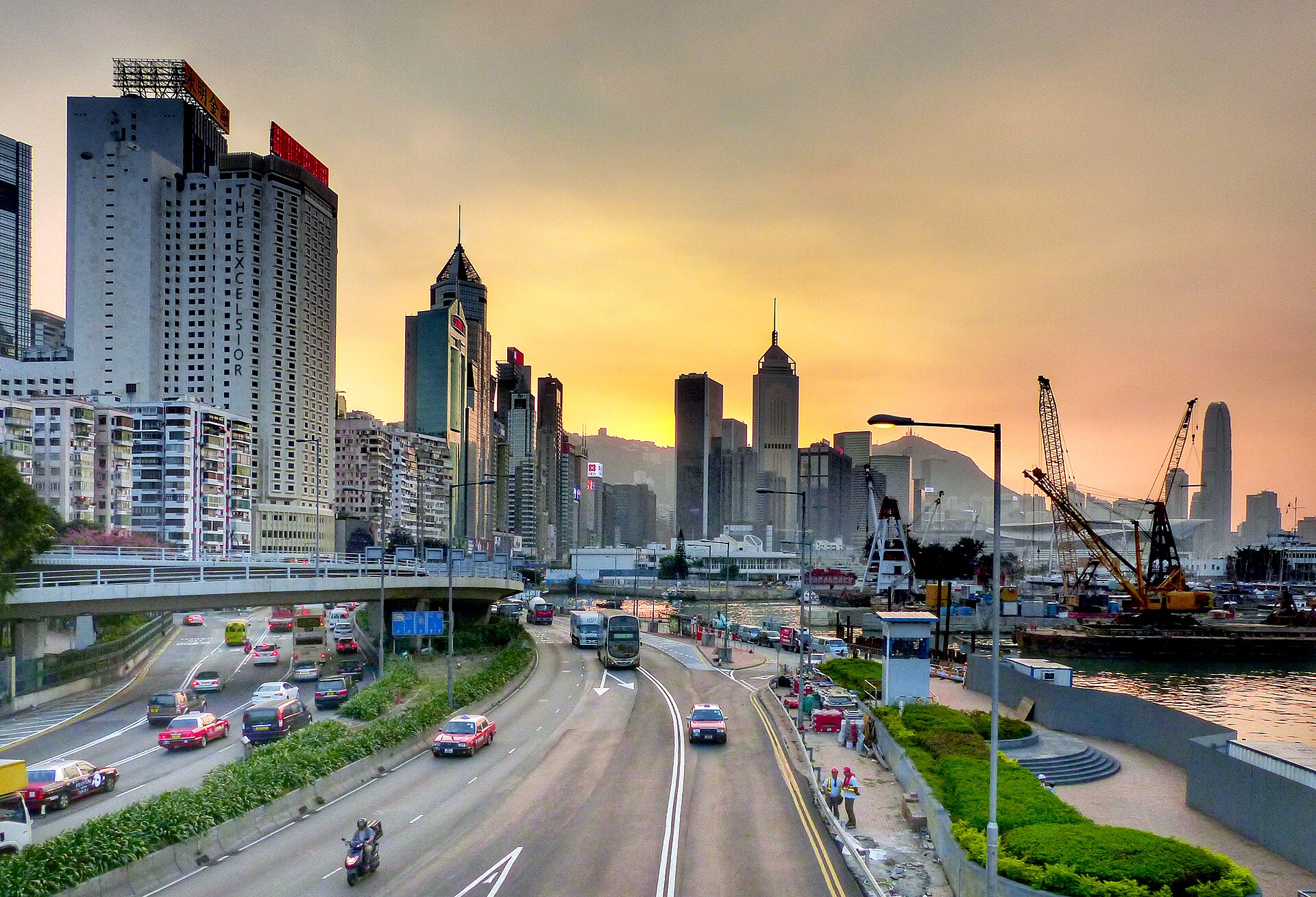
You pay 20 to 35 percent less for a hotel room in Wan Chai or Causeway Bay than you would for a comparable room in Central. The reason is not mystery: the buildings are older, the street mix is grittier, and the towers along Hennessy Road went up in the 1960s through 1980s. But the MTR Island Line runs under both districts. Your walk to the station is shorter than it would be from a Mid-Levels hotel. And the money you save buys you something real. An extra night. A better meal. A harbour-view upgrade on Lantau.
What Lower Rent Actually Means for Your Stay
The Numbers Behind the Discount
The rent gap is a fact you can measure. A Grade A office in Wan Chai costs HK$90 to HK$110 per square foot per month. In Central it is HK$120 to HK$150. A 500-square-foot flat in Wan Chai rents for HK$28,000 to HK$38,000 monthly. The same size in Central runs HK$45,000 to HK$65,000. Hotels follow a similar curve. Buildings here are 30 to 50 years old, not 10 to 20. That means smaller lobbies, narrower lift cars, and older plumbing. It does not mean dirty sheets or broken air-conditioning. It means the hotel spent its budget on upkeep rather than a marble entrance.
What an Older Room Feels Like
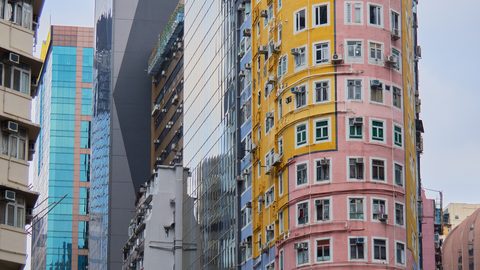
The trade-off is physical. If your hotel went up in the 1970s, expect lower ceilings, smaller windows, and a bathroom renovated in the 2000s. Check for water seepage on the ceiling before you unpack. Ask whether the lift serves all floors. Pre-1970s walk-ups with no lift still exist here. The Mandatory Building Inspection Scheme applies to any structure 30 years or older, so your hotel has been inspected by law. Fire safety falls under the same ordinance. The risk you actually face is noise, not structural failure.
Noise and Crowds by the Hour
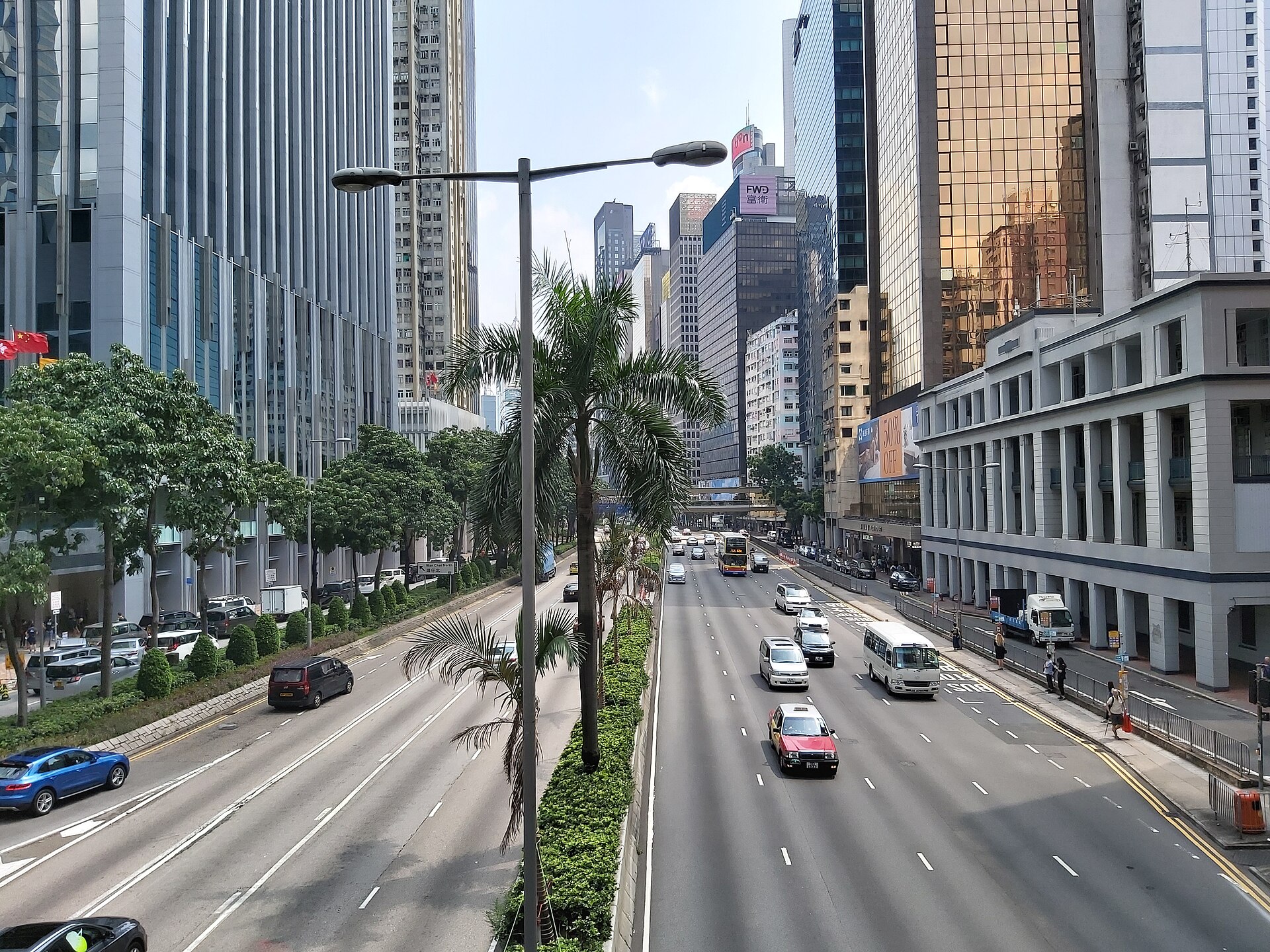
Noise is the real cost of the Wan Chai rate. Hennessy Road reads 70 to 80 decibels during daytime. Lockhart Road bars run until 04:00 or 06:00 Thursday through Saturday. If you are a light sleeper, do not take a room facing the street on a weekend night. Request a high floor on the rear side. Causeway Bay is quieter after dark because the retail crowd goes home, but weekend pedestrian density in the core retail zone hits 2 to 4 people per square meter between 14:00 and 20:00. The crossing at Great George Street sees 200 to 300 people per minute at peak.
Skip the Car, Use the Card
Car owners get worst of both. Parking costs HK$3,000 to HK$5,000 per month in both districts. Do not rent a car. You do not need one. The MTR runs every 2 to 4 minutes and covers both districts. The tram runs along the north shore and costs a fraction of a taxi. You just need an Octopus card or contactless payment. Cash on buses and trams requires exact change. Get the card at the airport convenience store before you board the train.
.jpg)
Wan Chai: Wet Markets, Dai Pai Dong, and Late-Night Congee
Eat Where the Neighbourhood Eats
Wan Chai is not a polished district. The Wan Chai Market at 258 Queen's Road East still operates as a wet market, with live poultry, hanging meat, and slippery floors. The dai pai dong cluster around Cross Street and the surrounding lanes serves stir-fried noodles and claypot rice under fluorescent lights. These are not Instagram setups. They are working kitchens that have been feeding the neighbourhood since the 1960s.
Book a cha chaan teng for breakfast or lunch. Capital Cafe, Tsui Wah, and Honolulu Coffee Shop are the anchors here. Order a pineapple bun with a slab of cold butter and a glass of Hong Kong-style milk tea, strong, silky, and sweetened with condensed milk. For dinner, line up at Joy Hing Roasted Meat or Yat Lok for roast goose with plum sauce. Both are on Hennessy Road. Both are fast, and both expect you to order quickly and vacate the table.
After Midnight
Late-night food runs from 24-hour congee and noodle shops on Hennessy Road and Lockhart Road to a cluster of Japanese restaurants on Lee Tung Avenue and Queen's Road East. The Japanese places lean toward izakaya-style dining and stay open until midnight or later. The congee shops are your move after a night in the Wan Chai bar zone. The zone operates until 04:00 to 06:00 on Lockhart Road and Jaffe Road. If you want quiet after dark, stay in Tai Hang or Happy Valley, not on Hennessy Road.
Causeway Bay and the Quieter Edges: Tai Hang and Happy Valley
Dense, Loud, and Open All Night
Causeway Bay is the densest retail district in Hong Kong. Weekend footfall on core retail streets runs 100,000 to 200,000 pedestrians per day. You will find five or more major food courts within 500 meters of MTR Exit F. Lockhart Street and Tang Lung Street are the hotpot cluster. Jardine's Crescent and Kai Chiu Road have street food stalls for egg waffles and fish balls. The late-night dining stays open on Percival Street and Lockhart Road with 24-hour dim sum and noodle shops. You can eat here any hour. You cannot walk quickly here during peak hours. Plan your route through the back alleys to avoid the crowds on Russell Street, where retail rent runs HK$2,000 to HK$3,000 per square foot per month, among the highest in the world.
Tai Hang: The Low-Rise Alternative
Tai Hang is a low-rise residential pocket 10 to 15 minutes walk from Causeway Bay MTR. It has a mix of 1950s to 1970s walk-ups and 2000s to 2010s low-rise blocks. Key streets are Tai Hang Road, Ormsby Street, Warren Street, and School Street. More than 30 restaurants sit within 400 meters of the Tai Hang Road and School Street junction. The food anchors are Lin Heung Kui, Bing Kee Cha Chaan Teng, and Sister Wah. Stay here if you want Causeway Bay's convenience without its crowd density.
Happy Valley: The Racecourse Edge
Happy Valley sits 15 to 20 minutes walk from Causeway Bay MTR. It is a residential area on the edge of the racecourse. Structures run from 1960s to 1980s mid-rises with some 1990s to 2010s towers. Key streets are Sing Woo Road, King Kwong Street, and Blue Pool Road. More than 40 restaurants sit within 500 meters of the Sing Woo Road and Wong Nai Chung Road junction. The anchors are Kam Fung Cafe, Pang's Kitchen, and Happy Valley Bar & Grill. The racecourse itself is the reason most visitors come here. Race nights are Wednesday nights from September through July. The turf track is 1,450 meters. Public enclosure admission costs HK$10. The beer garden entry costs HK$10 to HK$20. The first race was run in 1846. Capacity is 55,000. If you are not here for racing, Happy Valley still works as a quiet base with better air and less foot traffic than anywhere on Hennessy Road.
_20190918.jpg)
| Metric | Wan Chai / Causeway Bay | Central |
|---|---|---|
| Building age | 30 to 50 years | 10 to 20 years |
| Grade A office rent per sq ft per month | HK$90 to HK$110 | HK$120 to HK$150 |
| 500 sq ft flat rent per month | HK$28,000 to HK$38,000 | HK$45,000 to HK$65,000 |
| Floor area for same budget vs Central | 15% to 30% more | Baseline |
| Parking per month | HK$3,000 to HK$5,000 | Similar or higher |
| Hennessy Road daytime noise | 70 to 80 dB | Lower |
| Peak pedestrian density | 2 to 4 people per sq m | Lower |
Common Questions
Is it safe to stay in a 1960s building in Wan Chai?
Yes. The Mandatory Building Inspection Scheme covers all buildings 30 years or older. Fire safety is regulated by the Fire Safety Ordinance. The real risks are noise, water seepage in older bathrooms, and lift breakdowns in buildings without modern maintenance. Check the ceiling and ask about lift age before you book.
Which district is quieter at night, Wan Chai or Causeway Bay?
Causeway Bay is quieter than Wan Chai after 22:00 because the retail crowds go home. Lockhart Road in Wan Chai has bars running until 04:00 to 06:00 Thursday through Saturday. For real quiet, stay in Tai Hang or Happy Valley, both within walking distance of Causeway Bay MTR.
How much cheaper is a hotel in Wan Chai compared to Central?
Expect 20 to 35 percent lower rates for a comparable hotel room. The exact difference depends on building age, floor level, and whether the hotel has renovated recently. Older buildings with smaller lobbies cost less. Recent renovations push rates up but still under Central pricing.
Do I need a rental car if I stay in Causeway Bay?
No. Parking here costs HK$3,000 to HK$5,000 per month. The MTR Island Line runs trains every 2 to 4 minutes and puts you in Central in less than 10 minutes. The tram runs along the north shore. Use an Octopus card or contactless payment. Cash on buses requires exact change.
Read next
-
 Hong Kong First Arrival Guide From Airport to Understanding the City
Hong Kong rewards those who treat it as a series of distinct neighbourhoods rather than a single city centre. Here is the geography and rhythm every newcomer needs.
Hong Kong First Arrival Guide From Airport to Understanding the City
Hong Kong rewards those who treat it as a series of distinct neighbourhoods rather than a single city centre. Here is the geography and rhythm every newcomer needs.
-
 Hong Kong Hotels and Serviced Apartments Before a Lease
Serviced apartments in Wan Chai, Kennedy Town, and Sai Ying Pun compared for the six weeks before you sign a Hong Kong lease.
Hong Kong Hotels and Serviced Apartments Before a Lease
Serviced apartments in Wan Chai, Kennedy Town, and Sai Ying Pun compared for the six weeks before you sign a Hong Kong lease.
-
 Where to Stay in Hong Kong a Shortlist of Districts Compared Honestly
Hong Kong districts vary wildly in rent, space, and commute reality. This shortlist compares where to stay based on what you actually get for your money.
Where to Stay in Hong Kong a Shortlist of Districts Compared Honestly
Hong Kong districts vary wildly in rent, space, and commute reality. This shortlist compares where to stay based on what you actually get for your money.
-
 Hong Kong Flights, HKG Airport and the Airport Express
HKG to Central or Kowloon by Airport Express, taxi, or A-bus, plus how Hong Kong's in-town check-in makes it a strong flight hub.
Hong Kong Flights, HKG Airport and the Airport Express
HKG to Central or Kowloon by Airport Express, taxi, or A-bus, plus how Hong Kong's in-town check-in makes it a strong flight hub.
- Hong Kong Typhoon Signals and Rainstorm Warnings Explained From Signal 1 to 10 and black rain, what each Hong Kong typhoon warning closes and how to prepare.
- Your First Month in Hong Kong in the Order That Works The first month in Hong Kong, sequenced: ID card, bank, phone, lease and helper in the order that works.
- Hong Kong Island or Kowloon for Your First Home The real trade-offs between living on Hong Kong Island or in Kowloon, from rent to commute to food.
-
 Hong Kong Healthcare and Insurance for New Arrivals
Hong Kong has excellent but split healthcare: cheap public care with long waits, or fast private care at a price.
Hong Kong Healthcare and Insurance for New Arrivals
Hong Kong has excellent but split healthcare: cheap public care with long waits, or fast private care at a price.