The Value End of Hong Kong Island: Sai Ying Pun to Kennedy Town
Sai Ying Pun and Kennedy Town deliver a local rhythm, waterfront space, and lower rents at the end of the Island Line.
- Population
- 120,000
- Currency
- HKD
- Timezone
- Asia/Hong_Kong
Why the Western End of the Island Line is Your Best Bet
Kennedy Town station opened on 28 December 2014. Sai Ying Pun station followed on 29 March 2015. Before those dates, these two neighbourhoods were too impractical for a short stay. You relied on a slow tram or a taxi that got stuck in the Connaught Road tunnel. Now you are six minutes from the city core if you get off at Sai Ying Pun, eight minutes if you ride one more stop to Kennedy Town. That is three MTR stops versus four. The rent difference between these districts and the business district is 30 to 45 percent, but you are not here to sign a lease. You are here to sleep better, eat cheaper, and walk out your door into a version of Hong Kong that does not revolve around tourists. Book a room west of Sheung Wan. You trade a five minute shorter commute to the Peak Tram queue for a 600 metre waterfront promenade, a street life built around wet markets and cha chaan tengs, and a crowd of neighbours who are not carrying a selfie stick.
The Waterfront and the Walk: Kennedy Town’s True Asset
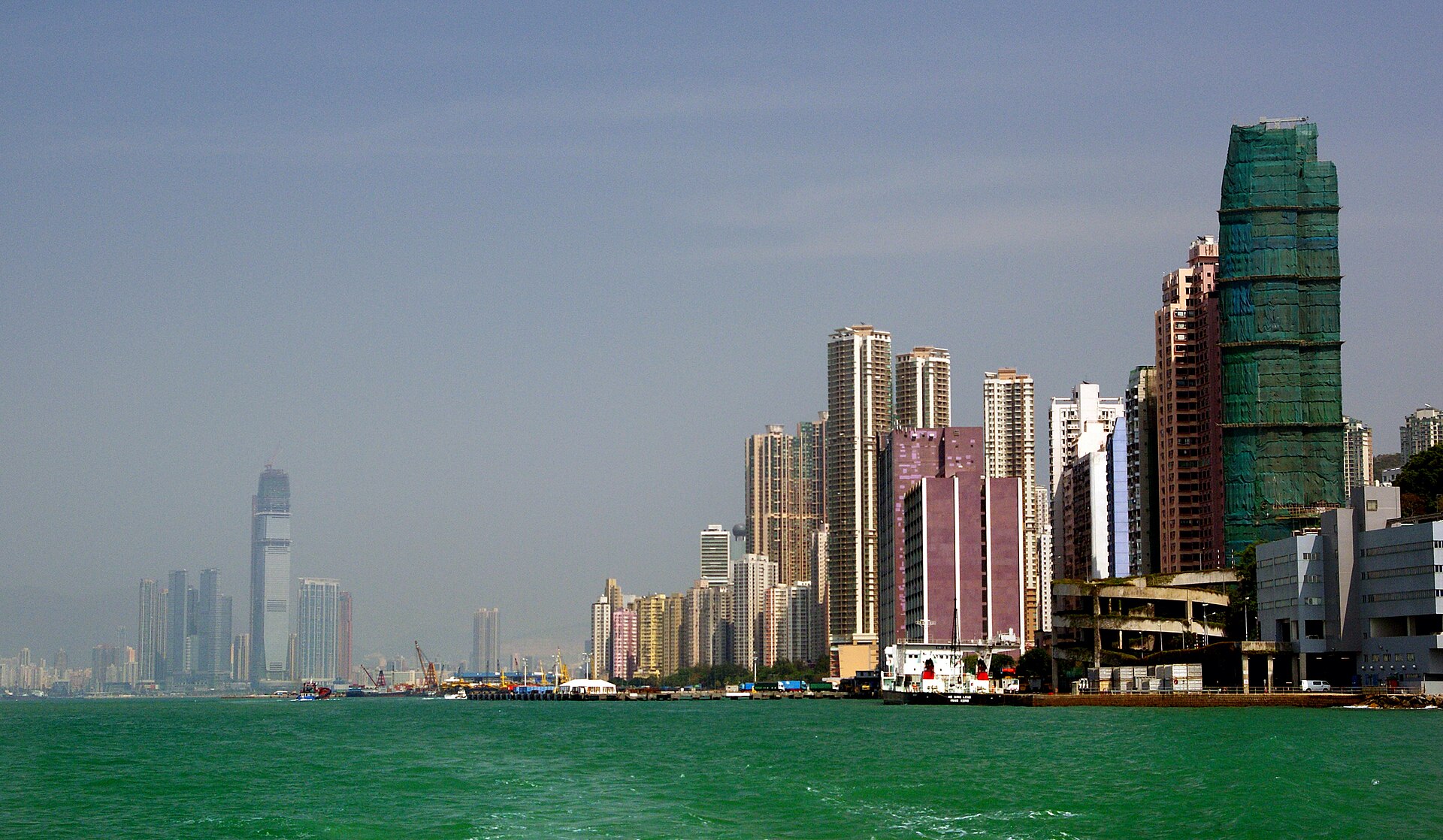
Most visitors to Hong Kong Island never see the harbour from ground level west of the business district. The Tsim Sha Tsui Promenade is famous. The Kennedy Town waterfront is not. That is the point. The 600 metre promenade opened in phases from 2017 onward and runs from the public cargo working area near the passenger ferry pier to the end of New Praya. Walk it in the evening when the temperature drops and the container ships slide past the Sulphur Channel. There are benches every fifty metres. Dogs. Joggers. Old men playing Chinese chess on the seawall. No one selling you a harbour tour. Arrive at 17:30 in October or November and you catch the sunset over the South China Sea, which means you face west, not towards the Kowloon skyline. Bring a layer. The wind off the water is cool even in summer.
Where To Stay And What It Costs In Practice
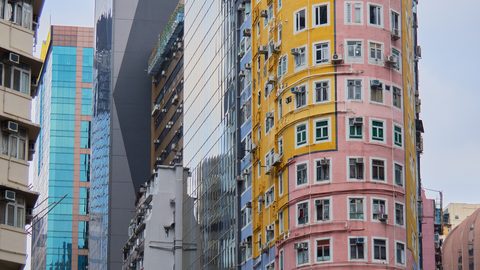
The residential towers built after the MTR arrived tell you who lives here now: The Hudson (2012), Imperial Kennedy (2016), HighLine (2018), Kennedy 38 (2023). That is finance, legal, and tech professionals aged 28 to 40 who moved west because they get 20 to 40 percent larger floor area for the same budget. You do not need their floor plan. You need their logic. The guesthouses and serviced apartments in the old tong lau buildings, the 1950s to 1960s four to six storey walk-ups, sit between these new towers. You pay less than you would in Sheung Wan for a room with a window that opens, a separate kitchenette, and a street below where the fishmonger is open by 07:00. The trade off is the stairs and the lack of a lift in the cheapest options. If your building has no elevator, request a ground floor or first floor room. Hong Kong humidity makes a fifth floor walk-up with your luggage an error you make once.
Where To Eat Without A Reservation
Kennedy Town has more restaurants per block than Sai Ying Pun but a higher proportion of Western style places catering to the expat residents. You want the Cantonese places. Find the claypot rice vendor on Belcher's Street that cooks over charcoal from November to February. Eat the egg waffles from the stall outside the MTR exit, crisp shell and soft interior, no queue because the tourists have not found it yet. For a proper dinner, walk to the New Praya end and pick one of the seafood places that does typhoon shelter crab, the crustacean buried under fried garlic and chilli. Book nothing. Arrive before 19:00 on a weekday and you walk straight in. After 20:00 on Friday night, you wait.
.jpg)
Sai Ying Pun for the Cafe Crawl That Central Cannot Match
Sai Ying Pun has the density. Not of people, though it has that too, but of independent cafes. The business district has chain coffee. Sheung Wan has a handful of good roasters. Sai Ying Pun has one on almost every corner between the MTR exit and the old market building, a 1899 Edwardian structure that was adapted into a community space. Walk out of exit B3 and you can hit three speciality coffee spots within fifty metres before you have finished your first flat white. The reason is the rent. A cafe owner pays 30 to 40 percent less per square foot than they would in the business district. That discount goes into better beans, slower brewing, and a seat you are allowed to keep for ninety minutes without someone hovering for the table. Do that in a city core coffee bar and you get asked to leave.
The Dried Seafood And Medicine Streets Worth A Walk
Des Voeux Road West holds the dried seafood trade between Wilmer Street and Eastern Street. Shark fin, abalone, sea cucumber, dried scallops, all in open fronted shops that smell of salt and umami. You do not buy. You just walk through at 10:00 when the deliveries arrive and the shopkeepers are sorting stock on the pavement. Ko Shing Street is the old Medicine Street, a traditional Chinese medicine wholesale district since the late nineteenth century. The herbal smell is stronger here. The drawers of dried roots and bark line both sides. This is not a tourist attraction. It is a working wholesale lane. Go early, before the delivery trucks block the street, and you see the same supply chain that has run through this neighbourhood for over a century.
Redevelopment And What It Means For Your Stay
The Urban Renewal Authority divided Sai Ying Pun into nine redevelopment zones, codes SYP 1 through SYP 9. Some buildings are already replaced with glass towers. Some are still the original tong lau. The construction scaffolding and the hoardings can make walking feel like an obstacle course. The narrow pavements, the uneven concrete, the sudden queue for a bus. This is the friction you accept for the lower price and the local character. Pack walking shoes with grip. Leave the wheeled suitcase behind if your accommodation is in a block under renovation. A backpack or a duffel is faster on these streets.
How to Connect the Two Neighbourhoods in a Single Day
Start at Kennedy Town waterfront at 07:30. Walk the full 600 metres east to west. Cross the new tram tracks and walk up Forbes Street into the residential grid. Find breakfast at a cha chaan teng on Catchick Street. Hong Kong style milk tea, strong and sweetened with condensed milk, plus a pineapple bun with a slab of cold butter. Cost: under 40 HKD. Then take the MTR one stop east to Sai Ying Pun. Spend the morning on the cafe crawl between Centre Street and the old market building. By 13:00 walk down to Des Voeux Road West for the dried seafood corridor and Ko Shing Street for the herbal shops. You cover both neighbourhoods in under five hours of slow walking including two coffee stops. The total MTR cost for the day: one single trip between Kennedy Town and Sai Ying Pun, under 10 HKD. You have not seen a single branded store. You have not stood in a queue for a view. That is the point.

| Factor | Kennedy Town | Sai Ying Pun |
|---|---|---|
| MTR to city core | 8 minutes, 4 stops | 6 minutes, 3 stops |
| Waterfront | 600m promenade | None |
| Cafe density | Moderate | High |
| Hiking access | Direct to Lung Fu Shan trail | Requires bus or taxi |
| Dinner reservations needed | Rarely before 20:00 | Rarely before 20:30 |
| Local food vs expat food ratio | 60/40 | 70/30 |
Common Questions
Is Sai Ying Pun or Kennedy Town better for a first time visitor to Hong Kong?
Sai Ying Pun. The MTR connection to the city core is one stop shorter, the cafe density is higher, and the walking access to Sheung Wan and the escalator system is direct. Kennedy Town works better on a second visit.
How safe is it to walk around these districts at night?
Very safe. Hong Kong has low violent crime rates and these are residential neighbourhoods with active street life until 23:00. The waterfront promenade in Kennedy Town is well lit and popular with joggers and dog walkers until late.
Can I pay with a credit card at restaurants and shops here?
Not reliably. Many smaller eateries, cha chaan tengs, and wet market stalls only take cash or Octopus. Carry small notes. Top up your Octopus card at the MTR station, not a convenience store, because store top ups are cash only.
Which district has better access to hiking trails?
Kennedy Town. The Lung Fu Shan trail and the Pinewood Battery path start within a ten minute walk from the waterfront. That trail connects to the Morning Trail and Victoria Peak. Sai Ying Pun requires a bus or a taxi to the same trailheads.
Read next
-
 Hong Kong First Arrival Guide From Airport to Understanding the City
Hong Kong rewards those who treat it as a series of distinct neighbourhoods rather than a single city centre. Here is the geography and rhythm every newcomer needs.
Hong Kong First Arrival Guide From Airport to Understanding the City
Hong Kong rewards those who treat it as a series of distinct neighbourhoods rather than a single city centre. Here is the geography and rhythm every newcomer needs.
-
 Hong Kong Hotels and Serviced Apartments Before a Lease
Serviced apartments in Wan Chai, Kennedy Town, and Sai Ying Pun compared for the six weeks before you sign a Hong Kong lease.
Hong Kong Hotels and Serviced Apartments Before a Lease
Serviced apartments in Wan Chai, Kennedy Town, and Sai Ying Pun compared for the six weeks before you sign a Hong Kong lease.
-
 Where to Stay in Hong Kong a Shortlist of Districts Compared Honestly
Hong Kong districts vary wildly in rent, space, and commute reality. This shortlist compares where to stay based on what you actually get for your money.
Where to Stay in Hong Kong a Shortlist of Districts Compared Honestly
Hong Kong districts vary wildly in rent, space, and commute reality. This shortlist compares where to stay based on what you actually get for your money.
-
 Hong Kong Flights, HKG Airport and the Airport Express
HKG to Central or Kowloon by Airport Express, taxi, or A-bus, plus how Hong Kong's in-town check-in makes it a strong flight hub.
Hong Kong Flights, HKG Airport and the Airport Express
HKG to Central or Kowloon by Airport Express, taxi, or A-bus, plus how Hong Kong's in-town check-in makes it a strong flight hub.
- Hong Kong Typhoon Signals and Rainstorm Warnings Explained From Signal 1 to 10 and black rain, what each Hong Kong typhoon warning closes and how to prepare.
- Your First Month in Hong Kong in the Order That Works The first month in Hong Kong, sequenced: ID card, bank, phone, lease and helper in the order that works.
- Hong Kong Island or Kowloon for Your First Home The real trade-offs between living on Hong Kong Island or in Kowloon, from rent to commute to food.
-
 Hong Kong Healthcare and Insurance for New Arrivals
Hong Kong has excellent but split healthcare: cheap public care with long waits, or fast private care at a price.
Hong Kong Healthcare and Insurance for New Arrivals
Hong Kong has excellent but split healthcare: cheap public care with long waits, or fast private care at a price.