Kowloon Tong and Ho Man Tin: The Family Choice
Kowloon Tong and Ho Man Tin are where families trade nightlife and a short commute for schools, space, and quieter streets.
- Population
- 110,000
- Currency
- HKD
- Timezone
- Asia/Hong_Kong
Kowloon Tong and Ho Man Tin: the Family Choice
Families relocating to Hong Kong who have spent their first 12 to 24 months in Mid Levels, Wan Chai, or Southside nearly all make the same move: Kowloon Tong or Ho Man Tin. That pattern is not random. It is driven by space, schools, and a fundamental shift in what daily life looks like when children enter the picture. The city's denser districts serve a young professional well. They become a liability when you need a garden, a school run, and a bedroom that is not a box.
Space and Housing Stock
Kowloon Tong and Ho Man Tin sit on the other side of the harbour, in Kowloon City District, and they operate on a different logic than the glass towers of Central and Tsim Sha Tsui. The dominant housing typology here is not the high rise. It is the low rise house, the garden house, and the low density residential block. The zoning maps label these areas Residential (Group C) or Residential (Group D), which is the bureaucratic way of saying the buildings do not scrape the sky. A detached or semi detached house in Kowloon Tong runs 2,000 to 5,000 square feet of gross floor area. A luxury house pushes past 5,000 and can go well over 10,000. That is not a flat. That is a house with a garden, multiple floors, and rooms that do not double as offices and guest bedrooms.
The rent reflects the space. A 2,000 to 3,500 square foot house in Kowloon Tong costs between HKD 80,000 and HKD 150,000 per month in 2024. A larger house, 3,500 to 5,000 square feet, runs HKD 150,000 to HKD 250,000. The luxury tier above 5,000 square feet is HKD 250,000 to HKD 500,000 or more. That is expensive. But compare it to a three bedroom flat in Mid Levels, which at 1,200 to 1,800 square feet costs HKD 70,000 to HKD 120,000. For a similar budget, you get roughly triple the space and a garden. The trade off is not subtle.
Schools as the Anchor
The schools are the real anchor. Kowloon Tong alone has approximately 8 international schools and 20 local schools. The notable cluster streets Waterloo Road, Oxford Road, Somerset Road, and Ede Road form a de facto education corridor. Parents walk their children to school here. The school run is a short walk or a five minute drive, not a forty minute MTR commute with a pushchair on a packed train. That changes your entire day.
The Downsides
Being honest about the downsides matters more than the sales pitch. The commute to Central is longer than from Mid Levels or Wan Chai. Kowloon Tong Station, served by the East Rail Line and the Kwun Tong Line, puts you in Central in 18 to 22 minutes by MTR. Ho Man Tin Station, on the Tuen Ma Line and Kwun Tong Line, takes 20 to 25 minutes to Central and 15 to 18 minutes to Admiralty. That is a reasonable commute. It is not a five minute taxi. Nightlife is limited. The area is residential. You will not walk out your door into a street market or a late night cocktail bar. Friday night dinner options are family restaurants and the private clubs attached to the international schools. If late night energy is your non negotiable, Kowloon Tong is the wrong choice.
The profile of families who land here is predictable but instructive. Most arrive after a prior assignment in a denser district, typically Mid Levels, Wan Chai, or Southside. The trigger is often a mid posting relocation, where the corporate housing policy shifts from a city centre flat to a suburban house once the family reaches a certain stage. The typical stay in the prior district before the move to Kowloon Tong is 12 to 24 months. That pattern is so consistent that local real estate agents and school admissions officers can predict it within a month or two.

What the Commute Actually Costs You
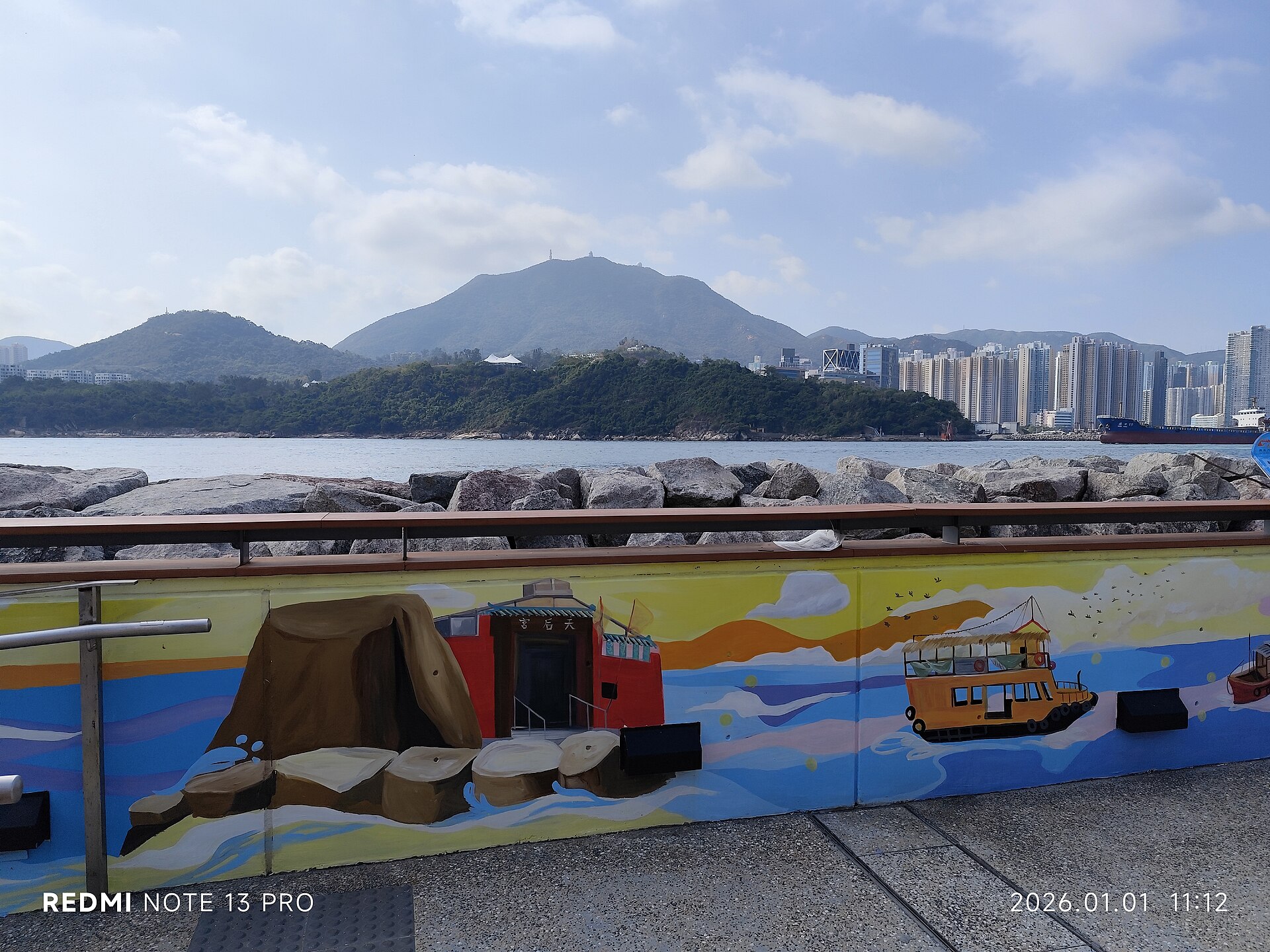
Do not let the longer travel time scare you off without context. An 18 to 22 minute MTR ride from Kowloon Tong to Central is shorter than the commute many families accept in London, New York, or Singapore. The East Rail Line is one of the newer and better maintained routes in the system, with trains every three to four minutes during peak hours. You sit. You read. You do not deal with traffic.
Ho Man Tin Station, which opened in 2021 as part of the Tuen Ma Line extension, is even more convenient for the southern end of this district. The line connects directly to the West Kowloon cultural district and Tsim Sha Tsui without a transfer. That matters for weekend outings to the M+ Museum or the Hong Kong Palace Museum, both of which require advance booking on any visit.
The real friction is not the train. It is the walk from your house to the station. Kowloon Tong's low rise houses sit on streets that were laid out for cars, not pedestrians. The pavement network is incomplete in places. You will use a taxi or the school bus more often than you expect. Factor that into your monthly transport budget. The Octopus card is the only sensible payment method across the system; top ups are cash only at convenience stores, so keep a supply of small bills.
The Street Life You Get and the Street Life You Give Up
What Kowloon Tong and Ho Man Tin do not offer is the dense, chaotic street life of Mong Kok or Sham Shui Po. You do not have a wet market on your corner. You do not have a 2:00 AM noodle shop a block away. What you do have is quiet roads, trees, and the ability to let a child ride a bicycle on the pavement without constant fear of a taxi mounting the kerb.
That trade off is the entire reason these districts exist as a residential enclave. The zoning designation Residential (Group C) and Residential (Group D) is not an accident. It is a deliberate planning restriction that limits building height and density. The result is a suburb inside a hyper dense city. You can walk to a shopping mall, a park, and a half dozen international schools, then come home to a garden where the neighbours are ten metres away rather than forty storeys up.
If you need a dose of the city's energy, Kowloon Tong Station is three stops from Mong Kok. That is eight minutes. You can be in the middle of the neon, the street markets, and the extreme density of the city's most intense district in the time it takes to brew coffee. The point of living here is that you choose when to step into that energy rather than living inside it.
The Schools Context Without the Full Guide
This page does not replace the full schools guide, which covers admissions timelines, curriculum options, and application fees in detail. What you need to know here is the geography. Waterloo Road, Oxford Road, Somerset Road, and Ede Road contain a density of international and local schools that is unmatched in any other Hong Kong district. Walking your child to a British curriculum school, an IB programme, or a local Chinese medium school from a single house on Ede Road is routine. The school run crosses roads, not tunnels.
That physical proximity changes the economics of your time. A parent who spends 90 minutes per day on school transport in Mid Levels spends 15 minutes per day in Kowloon Tong. Over a school year, that difference is enormous. It is not a small number. It is six full weeks of waking hours returned to your family.
The draw for relocating families is therefore not just the size of the houses. It is the daily logistics. Fewer hours in transit, more hours at home, and a neighbourhood where children are the majority demographic rather than an anomaly in a district designed for finance workers and tourists.
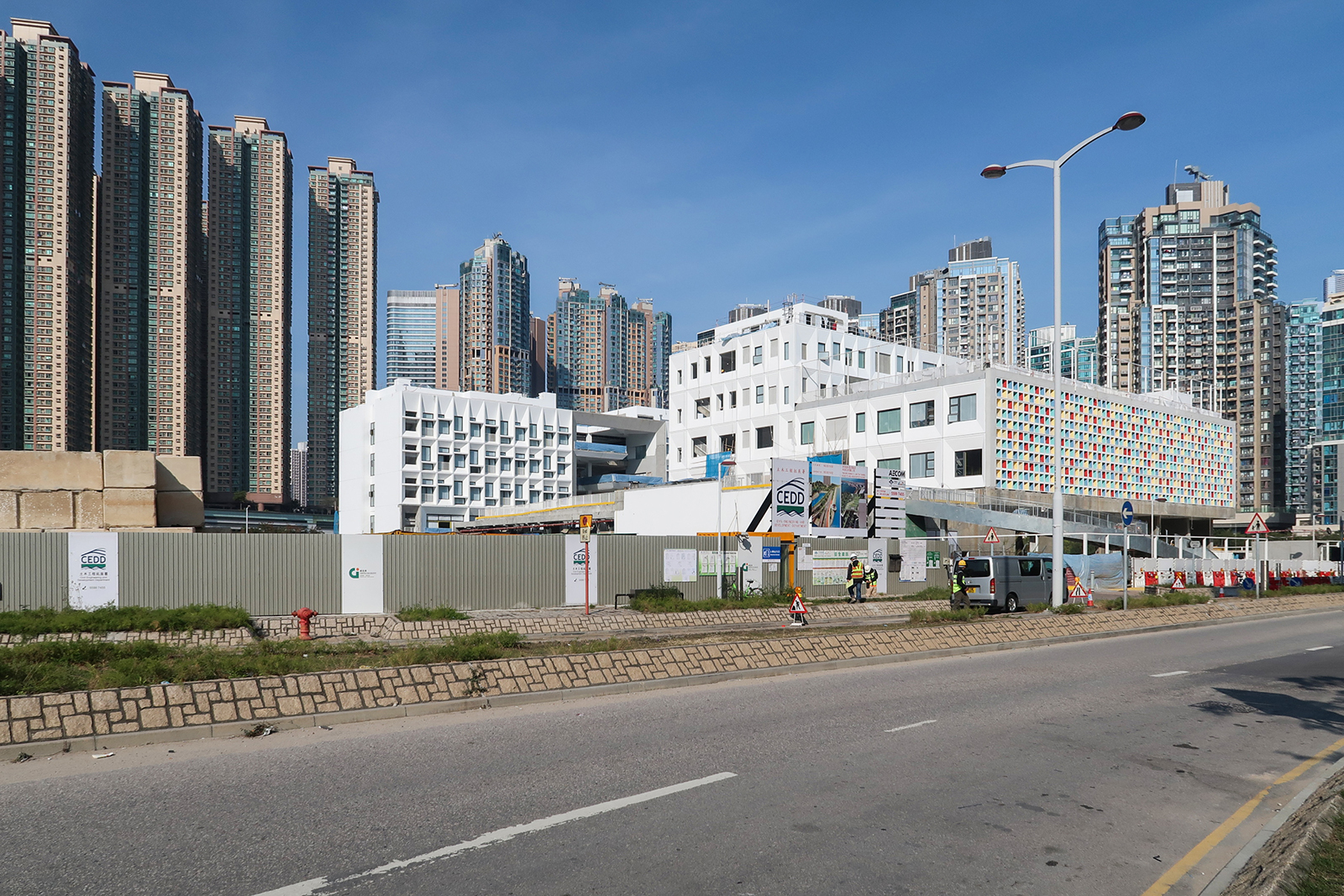

| District | Property Type | Typical Floor Area | Monthly Rent |
|---|---|---|---|
| Kowloon Tong | Detached/Semi-Detached House | 2,000-3,500 sq ft | HKD 80,000-150,000 |
| Kowloon Tong | Detached/Semi-Detached House | 3,500-5,000 sq ft | HKD 150,000-250,000 |
| Kowloon Tong | Luxury House | 5,000-10,000+ sq ft | HKD 250,000-500,000+ |
| Mid Levels (Island) | 3 Bedroom Flat | 1,200-1,800 sq ft | HKD 70,000-120,000 |
| Pok Fu Lam (Island) | 3 Bedroom Flat | 1,200-1,800 sq ft | HKD 60,000-100,000 |
Frequently Asked Questions
Is Kowloon Tong more expensive than the Mid Levels for a family?
Not necessarily. A 3 bedroom flat in Mid Levels of 1,200 to 1,800 square feet costs HKD 70,000 to HKD 120,000 per month in 2024. A 2,000 to 3,500 square foot house in Kowloon Tong costs HKD 80,000 to HKD 150,000. For roughly the same rent you get 2 to 3 times the space plus a garden. The price per square foot is lower in Kowloon Tong.
How long is the commute from Kowloon Tong to Central?
18 to 22 minutes by MTR on the East Rail Line from Kowloon Tong Station. Ho Man Tin to Central is 20 to 25 minutes. Both are single seat rides for most destinations in Central and Admiralty.
Can you walk to restaurants and shops in Kowloon Tong?
Yes, but within limits. There are shopping malls, supermarkets, and family restaurants within walking distance of most houses. The street level dining scene is thin compared to Mong Kok or Wan Chai. You will rely on taxis or the MTR for a wider selection of evening restaurants.
Do I need a car in Kowloon Tong?
Not if you use the MTR and taxis. Many families do own a car because a detached house often comes with a garage or a driveway. Parking is far easier here than in Mid Levels or Wan Chai. The decision is convenience versus cost.
When is the best time to look for rental houses in Kowloon Tong?
The rental market is driven by the school calendar. Houses become available between March and June as families complete their assignments and leave. Listings are scarce in August and September when new arrivals compete for the same stock. Start searching in February for a July or August move.
What is the nightlife like in Ho Man Tin?
Limited. There are a few wine bars and hotel lounges. Do not move to Ho Man Tin for nightlife. The draw is quiet streets and space. The nearest concentration of bars and clubs is in Tsim Sha Tsui, which is 10 minutes by MTR.
What kind of families live in Kowloon Tong?
Almost exclusively expatriate families with school age children. The dominant profile is a corporate relocator on a mid posting assignment who previously lived in Mid Levels, Wan Chai, or Southside for 12 to 24 months. Local Hong Kong Chinese families are present but in smaller numbers.
Read next
-
 Hong Kong First Arrival Guide From Airport to Understanding the City
Hong Kong rewards those who treat it as a series of distinct neighbourhoods rather than a single city centre. Here is the geography and rhythm every newcomer needs.
Hong Kong First Arrival Guide From Airport to Understanding the City
Hong Kong rewards those who treat it as a series of distinct neighbourhoods rather than a single city centre. Here is the geography and rhythm every newcomer needs.
-
 Hong Kong Hotels and Serviced Apartments Before a Lease
Serviced apartments in Wan Chai, Kennedy Town, and Sai Ying Pun compared for the six weeks before you sign a Hong Kong lease.
Hong Kong Hotels and Serviced Apartments Before a Lease
Serviced apartments in Wan Chai, Kennedy Town, and Sai Ying Pun compared for the six weeks before you sign a Hong Kong lease.
-
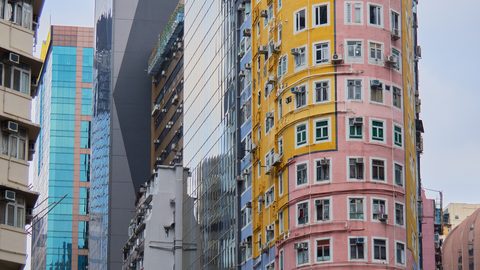 Where to Stay in Hong Kong a Shortlist of Districts Compared Honestly
Hong Kong districts vary wildly in rent, space, and commute reality. This shortlist compares where to stay based on what you actually get for your money.
Where to Stay in Hong Kong a Shortlist of Districts Compared Honestly
Hong Kong districts vary wildly in rent, space, and commute reality. This shortlist compares where to stay based on what you actually get for your money.
-
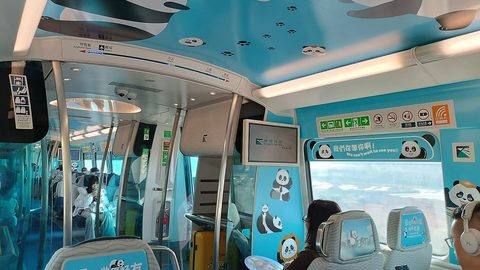 Hong Kong Flights, HKG Airport and the Airport Express
HKG to Central or Kowloon by Airport Express, taxi, or A-bus, plus how Hong Kong's in-town check-in makes it a strong flight hub.
Hong Kong Flights, HKG Airport and the Airport Express
HKG to Central or Kowloon by Airport Express, taxi, or A-bus, plus how Hong Kong's in-town check-in makes it a strong flight hub.
- Hong Kong Typhoon Signals and Rainstorm Warnings Explained From Signal 1 to 10 and black rain, what each Hong Kong typhoon warning closes and how to prepare.
- Your First Month in Hong Kong in the Order That Works The first month in Hong Kong, sequenced: ID card, bank, phone, lease and helper in the order that works.
- Hong Kong Island or Kowloon for Your First Home The real trade-offs between living on Hong Kong Island or in Kowloon, from rent to commute to food.
-
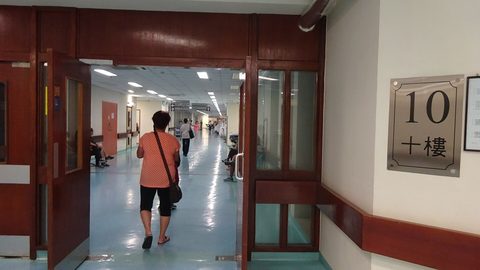 Hong Kong Healthcare and Insurance for New Arrivals
Hong Kong has excellent but split healthcare: cheap public care with long waits, or fast private care at a price.
Hong Kong Healthcare and Insurance for New Arrivals
Hong Kong has excellent but split healthcare: cheap public care with long waits, or fast private care at a price.