Staying in Central and Sheung Wan Without Wasting Time
Central and Sheung Wan put the most restaurants, bars, and the Airport Express within walking distance, but you pay for the commute you skip.
- Population
- 250,000
- Currency
- HKD
- Timezone
- Asia/Hong_Kong
Your First Morning in Central Sheung Wan
You step out of the Sheung Wan MTR exit onto Des Voeux Road West at 08:30. A woman is hosing down the pavement in front of her dried seafood shop. The air smells of salted fish and ginger. You are three minutes from the Airport Express terminal. This is the zero commute.
Central and Sheung Wan cost more per square foot than any other place to sleep in Hong Kong. The rooms are small. The streets are steep. The noise from Lan Kwai Fong can keep you awake if you choose wrong. But for a short stay, these districts justify every dollar by turning travel time into living time. You do not commute to the city. You wake up inside it.


Why You Pay for Location, Not Space
A one bedroom flat in Central runs HKD 25,000 to 45,000 a month for 500 to 800 square feet net. In Sheung Wan, the same size costs between HKD 20,000 and 38,000. These are rental figures for annual leases, not short term stays, but they explain the pricing logic: you are paying for a front row seat.
Short term accommodation in this corridor, whether a hotel or a serviced apartment, follows the same rule. The premium buys you the densest concentration of restaurants, bars, galleries, and transport connections on Hong Kong Island. The Airport Express reaches Hong Kong Station in 24 minutes. The Star Ferry is a ten minute walk from Central Pier. The MTR puts Admiralty one minute away, Sheung Wan two minutes the other direction. You can reach the Peak Tram lower terminus in fifteen minutes on foot. Nothing you came to Hong Kong Island for requires a taxi or a bus from here.
The Trade Off You Need To Accept
Rooms are small. A 300 to 500 square foot one bedroom walk up is typical. Lift buildings give you 400 to 700 square feet, but older buildings from 30 to 60 years old dominate the area. Walk ups have no lift. Stairs only. Expect a 10 to 25 percent rent discount for a walk up versus a comparable lift building, but that discount does not apply to short term holiday rentals, where the premium is purely about location. The steep streets are real. The Mid Levels escalator, running 800 metres from Queen's Road Central to Conduit Road, is your free vertical transport, but it runs downhill until 10:00 and uphill after 10:20. Plan your morning accordingly.
Where to Stay and Where to Avoid Inside the District
The area is not one neighbourhood. It is three distinct zones, and the wrong choice costs you sleep.
SoHo: Best For Bar Hoppers, Worst For Light Sleepers
SoHo runs roughly along Staunton Street, Elgin Street, Shelley Street, and Hollywood Road, south of Queen's Road Central. The bar and restaurant concentration here is the highest in the city. Foot traffic peaks on Friday and Saturday nights. If you stay on a street facing D'Aguilar Street, Wo On Lane, Wing Wah Lane, or lower Stanley Street, you will hear the crowd until 04:00. The noise radius is about 100 to 200 metres from Lan Kwai Fong itself. SoHo is excellent if you plan to be out late anyway. It is punishing if you want an early night.
PoHo: Quieter, More Local, Still Connected
PoHo is the area around Po Hing Fong, Tai Ping Shan Street, Pound Lane, and Square Street in Sheung Wan. It is lower rise, quieter, and filled with independent cafes and small shops. Fewer late night venues. You can still walk to SoHo in ten minutes and to the Sheung Wan MTR in five. For a short stay where you value sleep and morning coffee more than bar access, PoHo is the better call.
Kennedy Town As A Backup Option
One tram stop west of Sheung Wan, Kennedy Town offers a waterfront, relaxed restaurants, and a local feel. It is cheaper than Central and quieter than SoHo. The trade off is a longer walk to the MTR core and a commute of about ten minutes to Central station. For travellers who find Central too intense, Kennedy Town is worth checking.
How to Spend Your Days Without Wasting Time
The minimum stay for Hong Kong is four full days. One day for Hong Kong Island, one for Kowloon, one day trip or hike, and one flex day for food and shopping. From Central and Sheung Wan, every single one of those days starts with a walk, not a train ride.
For your Hong Kong Island day, start at Man Mo Temple on Hollywood Road. It is incense filled and dates to the mid 19th century. Then walk the escalator to SoHo for a late breakfast or early dim sum at a push cart teahouse. Head to Tai Kwun, the former police compound turned arts hub, and then to PMQ for design shops. Walk to the Peak Tram lower terminus. Book your ticket ahead. The queue is long without it. For the Kowloon day, walk to Central Pier and take the Star Ferry across the harbour. Aim for dusk. The fare is cheap and the view is better than any paid observation deck. Spend the evening on the Tsim Sha Tsui Promenade or Temple Street Night Market.
For your day trip, you have options. Lantau Island, Tai O fishing village, and the Big Buddha are 45 to 60 minutes from Central by MTR and bus. Cheung Chau is a car free island reachable by ferry in 35 to 55 minutes from Central Pier. Lamma Island takes 25 to 30 minutes by ferry and offers a hiking trail between Yung Shue Wan and Sok Kwu Wan. Sai Kung and Sharp Island need 45 to 60 minutes by MTR and minibus. Macau is one hour by TurboJET or Cotai Water Jet ferry. Pick one. Do not try to do two in one day.
What To Eat And Where To Find It
Dim sum with har gow and siu mai. Roast goose with plum sauce in Central or Wan Chai. Wonton noodle soup with springy egg noodles and prawn wontons. Claypot rice with lap cheong in winter. Egg waffles from a street stall, crisp outside and soft inside. Pineapple bun with cold butter from a cha chaan teng. Typhoon shelter crab, stir fried with garlic and chilli. Hong Kong style milk tea, strong and sweetened with condensed milk. All of these are within walking distance of your accommodation in Central or Sheung Wan. Do not take a taxi to eat. Walk.

The Friction You Will Feel (And How to Ignore It)
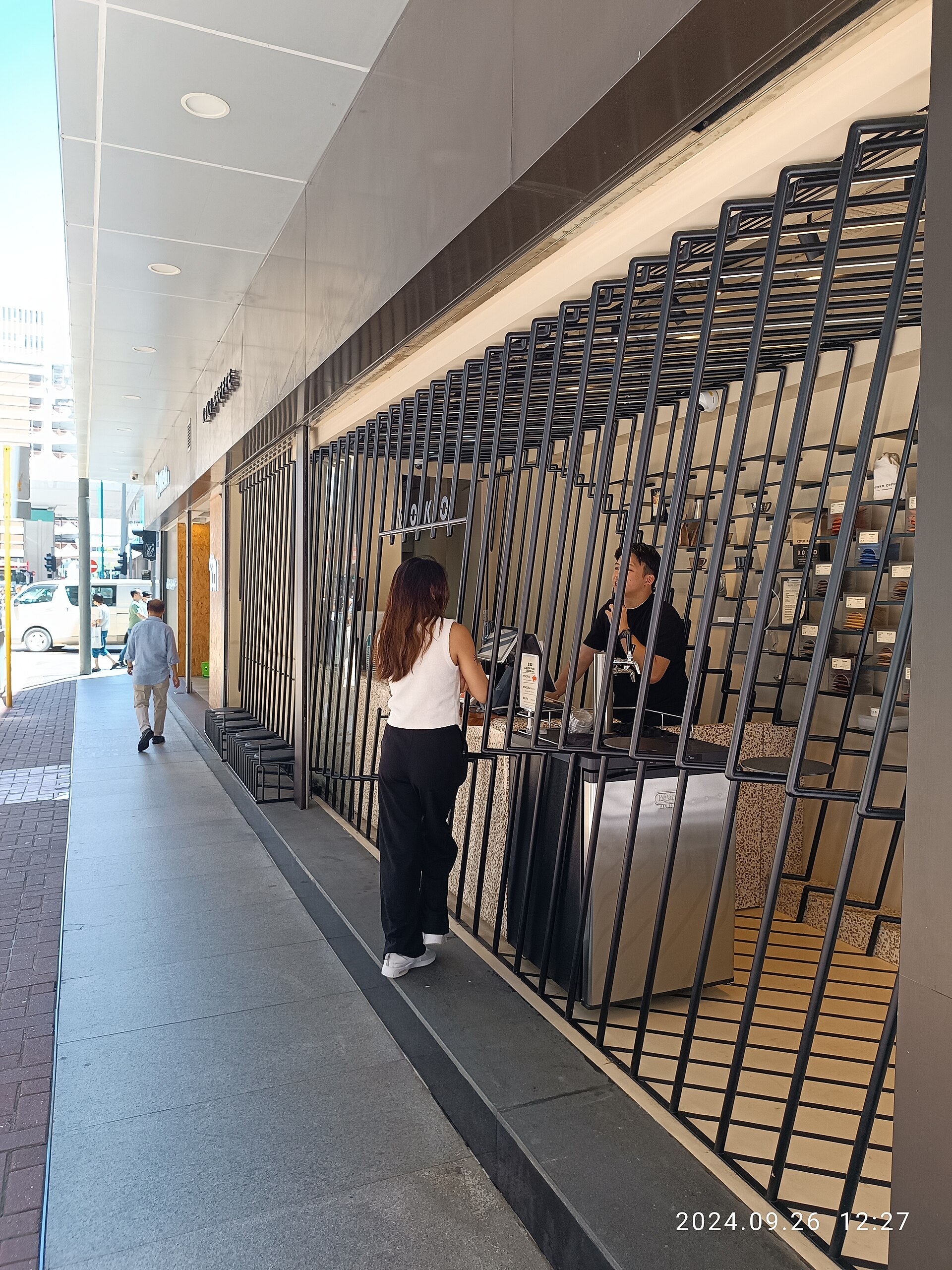
- Pavements are narrow, uneven, and often blocked by scaffolding, signs, or queues. Walking takes longer than the map suggests. Budget extra time for every journey on foot.
- Air conditioning indoors is set very cold, even in summer. Carry a light layer year round. You will need it inside every restaurant, shop, and MTR station.
- Public toilets are scarce in older districts. Shopping malls are the most reliable option. Do not leave your accommodation without using the bathroom first.
- Octopus card top ups are cash only at many convenience stores. Some smaller eateries still refuse card payments. Carry cash for food and transport top ups.
- Small restaurants expect you to share tables and order quickly during peak hours. Lingering is not the norm. Eat efficiently and move on.
Google Maps works, but Citymapper and MTR Mobile are more reliable for routing and service updates. Buy a local SIM or eSIM at the airport. Free public Wi Fi exists in many MTR stations and government buildings, but it is inconsistent and not worth relying on.
Who This is for and Who Should Look Elsewhere
This suits urban explorers who want dense walkable streets, food focused travellers who plan trips around meals, hikers and outdoor enthusiasts wanting city to trail convenience, shoppers looking for everything from street markets to luxury malls, and solo travellers who value safety and excellent public transport. The four day minimum stay gives you enough time to use the location properly.
This is not for travellers who want a relaxed spacious cheap Southeast Asian beach holiday. It is not for people who dislike crowds humidity or noise. It is not for those on a very tight backpacker budget. And it is not for anyone expecting a quiet slow paced cultural immersion without effort. Hong Kong rewards deliberate planning and treats passive expectation as lost time. Central and Sheung Wan deliver on the promise of no wasted minutes, but they demand that you move.
Common Questions
Is it worth paying more for a room in Central versus Sheung Wan?
Yes, if you plan to spend most of your time in SoHo and Lan Kwai Fong. Sheung Wan is better if you prefer cafes, antique shops, and quieter streets. The MTR difference is two minutes. The price difference can be significant.
How do I avoid noise from Lan Kwai Fong at night?
Do not book accommodation on D'Aguilar Street, Wo On Lane, Wing Wah Lane, or lower Stanley Street. Choose a room in PoHo or a building set back from those streets. Check that the windows seal properly. Earplugs are not a solution for everyone.
What is the fastest way from Hong Kong Airport to Central?
The Airport Express to Hong Kong Station. It takes 24 minutes and costs about HKD 115 one way. Taxis cost HKD 350 to 400 and take 30 to 45 minutes. City buses A11 and A21 cost under HKD 45 but are slower.
How many days do I need to make a Central Sheung Wan stay worthwhile?
Four full days minimum. One for Hong Kong Island, one for Kowloon, one day trip or hike, and one flex day for food and shopping. With fewer days, the location premium is wasted because you leave the district too often.
Read next
-
 Victoria Peak
 is the one view everyone wants, but the Peak Tram queue is optional when you know the bus, taxi, and walking routes up.
Victoria Peak
Victoria Peak is the one view everyone wants, but the Peak Tram queue is optional when you know the bus, taxi, and walking routes up.
-
 Hong Kong First Arrival Guide From Airport to Understanding the City
Hong Kong rewards those who treat it as a series of distinct neighbourhoods rather than a single city centre. Here is the geography and rhythm every newcomer needs.
Hong Kong First Arrival Guide From Airport to Understanding the City
Hong Kong rewards those who treat it as a series of distinct neighbourhoods rather than a single city centre. Here is the geography and rhythm every newcomer needs.
-
 Hong Kong Hotels and Serviced Apartments Before a Lease
Serviced apartments in Wan Chai, Kennedy Town, and Sai Ying Pun compared for the six weeks before you sign a Hong Kong lease.
Hong Kong Hotels and Serviced Apartments Before a Lease
Serviced apartments in Wan Chai, Kennedy Town, and Sai Ying Pun compared for the six weeks before you sign a Hong Kong lease.
-
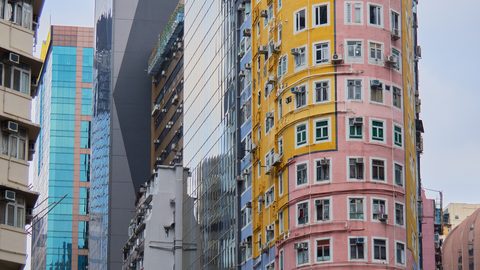 Where to Stay in Hong Kong a Shortlist of Districts Compared Honestly
Hong Kong districts vary wildly in rent, space, and commute reality. This shortlist compares where to stay based on what you actually get for your money.
Where to Stay in Hong Kong a Shortlist of Districts Compared Honestly
Hong Kong districts vary wildly in rent, space, and commute reality. This shortlist compares where to stay based on what you actually get for your money.
-
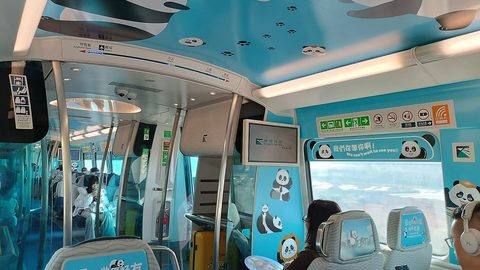 Hong Kong Flights, HKG Airport and the Airport Express
HKG to Central or Kowloon by Airport Express, taxi, or A-bus, plus how Hong Kong's in-town check-in makes it a strong flight hub.
Hong Kong Flights, HKG Airport and the Airport Express
HKG to Central or Kowloon by Airport Express, taxi, or A-bus, plus how Hong Kong's in-town check-in makes it a strong flight hub.
- Hong Kong Typhoon Signals and Rainstorm Warnings Explained From Signal 1 to 10 and black rain, what each Hong Kong typhoon warning closes and how to prepare.
- Your First Month in Hong Kong in the Order That Works The first month in Hong Kong, sequenced: ID card, bank, phone, lease and helper in the order that works.
- Hong Kong Island or Kowloon for Your First Home The real trade-offs between living on Hong Kong Island or in Kowloon, from rent to commute to food.
-
 Hong Kong Healthcare and Insurance for New Arrivals
Hong Kong has excellent but split healthcare: cheap public care with long waits, or fast private care at a price.
Hong Kong Healthcare and Insurance for New Arrivals
Hong Kong has excellent but split healthcare: cheap public care with long waits, or fast private care at a price.